TRENDING

Monday, 2 November 2026
----------------------
22 Jumada Al-Awwal 1448 AH
Iran's elite and street voices clash over Israel's new leadership, exposing deeper power calculations and a looming human toll across the Middle East.
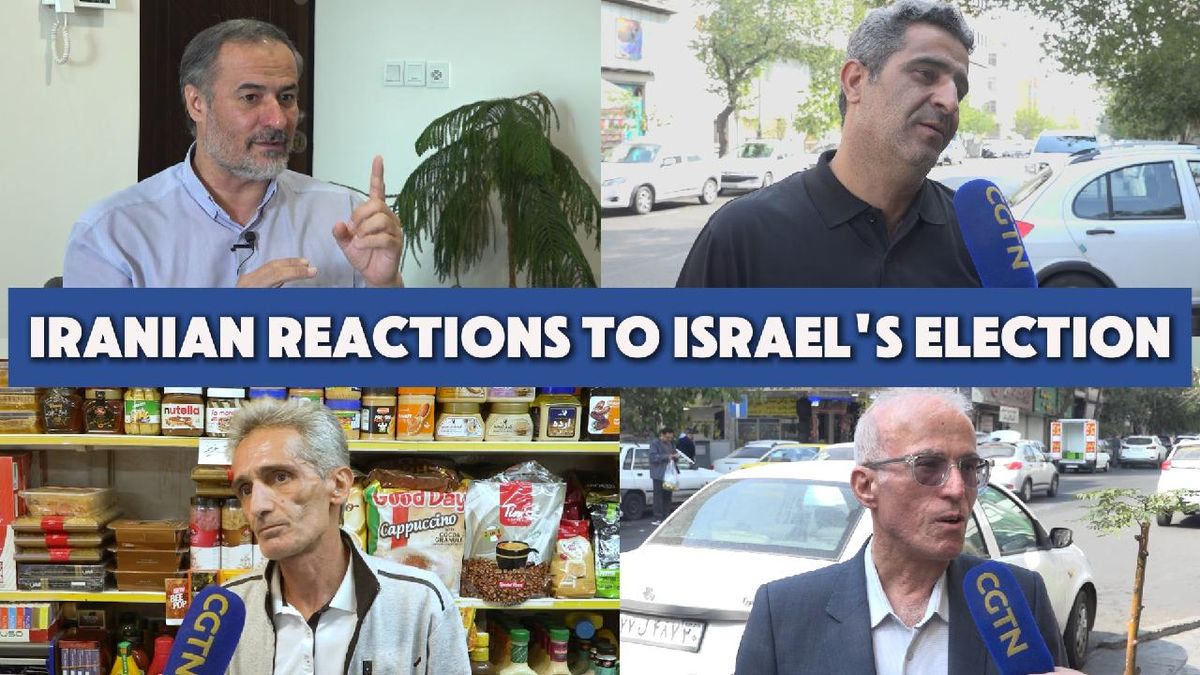
The recent parliamentary election in Israel produced a surprise victory for the centrist Eisenkot party, ending a decade of right‑wing dominance. In Tehran, political analysts, former officials, and ordinary citizens voiced divergent views: some dismissed the change as cosmetic, while others hinted at a possible diplomatic opening.
Iranian hardliners view any shift in Israeli politics through the lens of regime survival. A softer Israeli stance could undercut the narrative that justifies Iran’s regional proxy network, weakening the Revolutionary Guard’s leverage over groups in Lebanon and Gaza. Consequently, hardliners amplify rhetoric that Israel’s core policies—especially its non‑recognition of Iran—remain unchanged, preserving their domestic legitimacy.
Eisenkot’s win rests on a coalition of technocrats and moderate nationalists who campaigned on economic revival and reduced military friction. Their platform includes a tentative openness to indirect talks with Tehran, but coalition partners fear backlash from right‑wing voters and the United States, which continues to supply Israel with advanced weaponry.
The United States, still the primary security guarantor for Israel, watches the election outcome for signs of policy drift. A diplomatic tilt could force Washington to recalibrate its aid packages, but it also risks alienating the Israeli right, a key domestic constituency. Meanwhile, China and Russia see an opportunity to deepen ties with Tehran, offering economic incentives that could offset any potential Israeli‑Iranian thaw.
Sanctions tied to Iran’s nuclear program have already squeezed the nation’s economy. If Eisenkot’s government pursues a diplomatic track, Tehran may feel pressured to make concessions on its nuclear agenda, risking further sanctions that would hit ordinary Iranians—especially workers in the petrochemical sector and small‑scale traders who rely on cross‑border commerce.
In the border towns of Syria and Lebanon, civilians live under the constant threat of proxy clashes. A shift toward diplomatic engagement could reduce artillery exchanges, yet any perceived weakening of Iranian support may embolden Israeli settlement expansion, displacing more Palestinian families.
Iranian expatriates in Europe and North America watch the election with mixed emotions. While some hope a diplomatic opening could ease travel restrictions and improve remittance flows, others fear that a diplomatic overture might be used to justify harsher internal crackdowns on dissent, further limiting diaspora engagement.
Iranian state broadcasters emphasize that Israel’s internal politics are irrelevant to Tehran’s strategic goals, repeatedly stating that “the Zionist regime will not change its hostile stance.” This narrative downplays the potential leverage Eisenkot’s moderate coalition could wield in back‑channel talks, keeping the public focused on external threats rather than internal policy nuances.
Chinese firms have quietly signed infrastructure deals with Iranian provinces, promising rail upgrades and renewable‑energy projects. These agreements are rarely mentioned in official statements, yet they could shift Iran’s economic dependence away from oil exports, subtly reshaping power balances without public scrutiny.
Both Israeli and Iranian officials avoid discussing how a diplomatic opening would affect their proxy networks. The conversation is framed as a binary of war versus peace, sidestepping the reality that dozens of militia groups, funded by Tehran, would need to be re‑oriented or dismantled—a process that could spark internal power struggles within Iran’s security apparatus.
- Back‑channel signals: Look for discreet diplomatic contacts between Eisenkot officials and Tehran’s foreign ministry, often routed through European mediators.
- Sanctions adjustments: Monitor any EU or UN moves to ease economic pressure on Iran contingent on nuclear transparency, which could indicate a quid‑pro quo tied to Israeli moderation.
- Proxy activity spikes: Any sudden uptick in rocket fire from Lebanese or Syrian fronts may signal factions within Iran testing the limits of a new Israeli posture.
- Economic contracts: Track Chinese and Russian investment announcements in Iran’s energy and transport sectors, as they may compensate for potential losses from a diplomatic thaw.
- Public sentiment polls: Shifts in Iranian public opinion on foreign policy, especially among youth, could forecast internal political realignments ahead of the next presidential election.
By watching these threads, ordinary citizens can gauge whether Eisenkot’s victory translates into tangible de‑escalation or remains a symbolic footnote in a broader power contest.
A moderate Israeli coalition could open diplomatic channels, potentially reducing Iran's justification for proxy warfare. However, Tehran may also double down on its regional allies to preserve internal legitimacy.
If talks progress, Iran might seek relief from sanctions, while Chinese and Russian firms could expand investments, altering Iran's reliance on oil revenues and reshaping trade patterns.
Yes, sanctions‑related price hikes and employment uncertainty in petrochemical sectors are already affecting daily life, and any diplomatic concessions could either alleviate or exacerbate these pressures.
Editor's Note: Analysis based on publicly available statements and regional trends; on‑the‑ground developments may evolve rapidly.
Source referenced: CGTN
This brief was synthesized by our Editorial Engine and reviewed by The Ground Narrative team.


