TRENDING

Monday, 2 November 2026
----------------------
22 Jumada Al-Awwal 1448 AH
Three years after the October 7, 2023 attacks, Israel's military might has expanded across the Middle East, yet it finds itself trapped in an unsustainable cycle of conflict. This analysis delves into the human toll, the shifting power dynamics, and the long-term consequences for all involved.
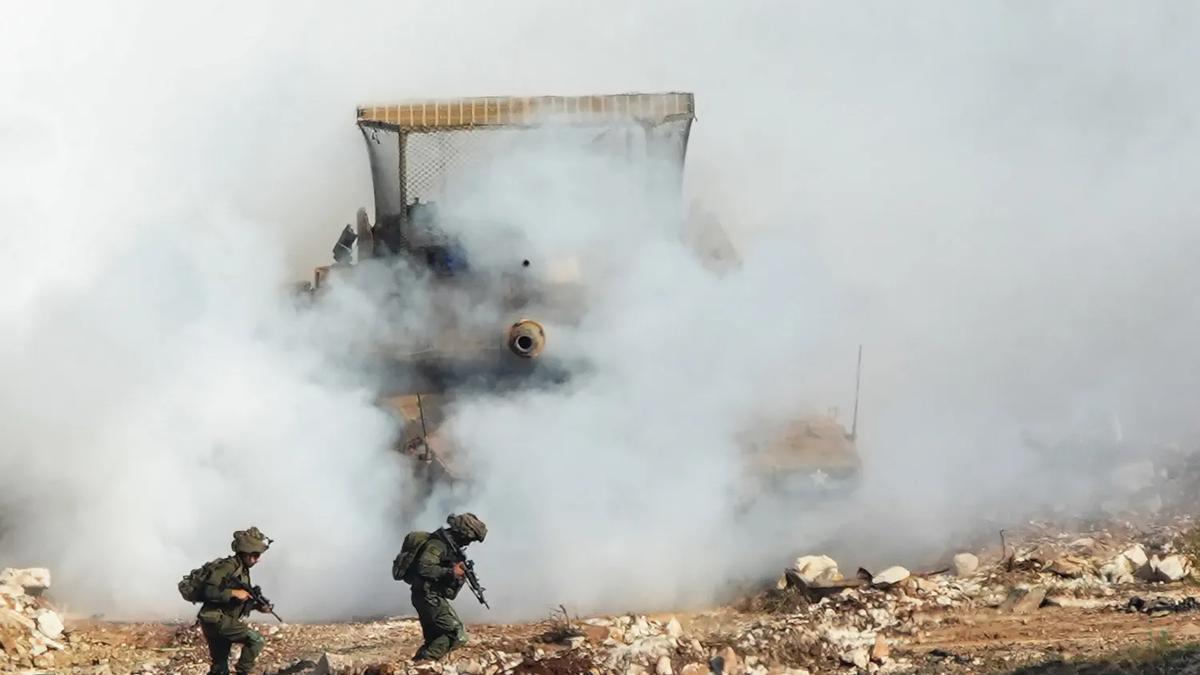
Three years after the October 7, 2023 attacks by Hamas, which killed nearly 1,200 Israelis, Israel has dramatically expanded its military operations across the Middle East. Its forces have not only significantly degraded Hamas in Gaza but have also engaged the more formidable Hezbollah in Lebanon, severely weakening its leadership and arsenal in an ongoing campaign. In 2025 and again in 2026, Israel, with support from the United States, launched strikes against Iran, targeting its senior leadership and setting back its nuclear and military programs. As a result of these campaigns, Israel now occupies approximately 70 percent of the Gaza Strip, substantial portions of Lebanon, and several miles along its border with Syria, establishing these as buffer zones to prevent future attacks. This period of intense military activity has seen Israel operate in eight distinct territories and countries: Gaza, Iran, Iraq, Lebanon, Qatar, Syria, the West Bank, and Yemen. Amidst these extensive military engagements, Israel is currently navigating an unclear election outcome, with the country at a critical juncture regarding its future security posture.
Israel's current security doctrine, often described as prioritizing
Source referenced: FOREIGNPOLICY
This brief was synthesized by our Editorial Engine and reviewed by The Ground Narrative team.


