TRENDING

Sunday, 1 November 2026
----------------------
21 Jumada Al-Awwal 1448 AH
A rare US intelligence warning led to the detention of a Russian teenager suspected of plotting an attack in Moscow, highlighting an unusual moment of cooperation amidst deep geopolitical tensions. This incident reveals the complex interplay between national security, digital radicalization, and the pragmatic necessity of counter-terrorism.
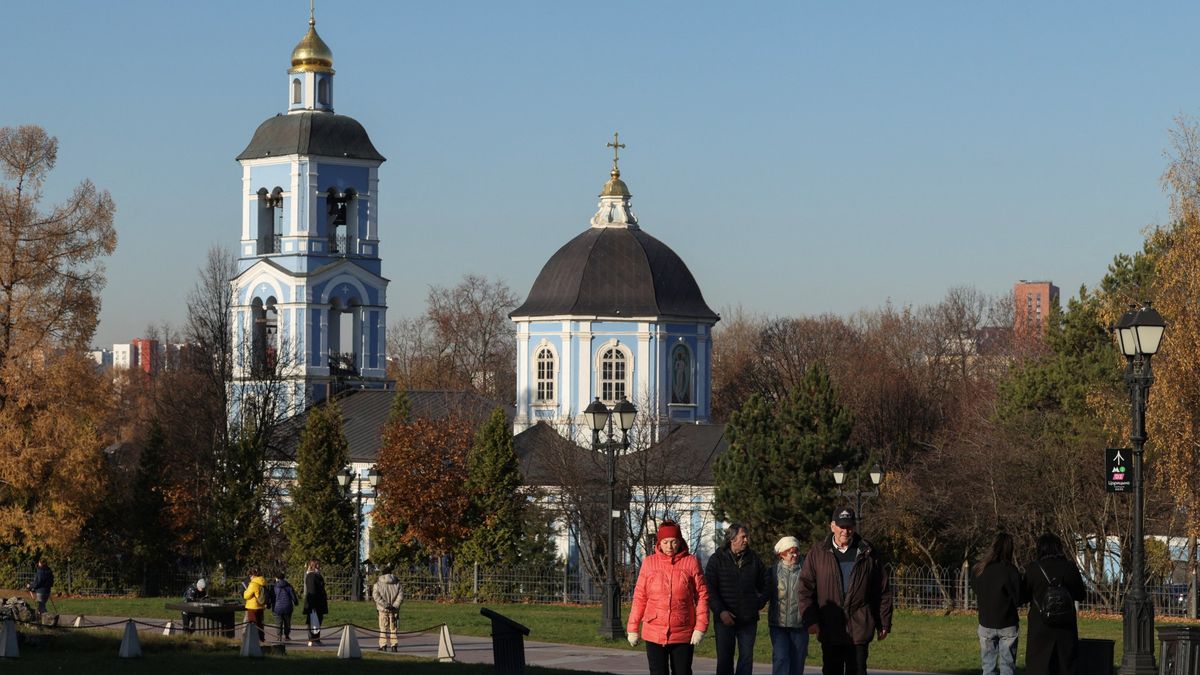
Russian authorities recently detained a teenager suspected of planning an attack at the Tsaritsyno Museum Reserve, a popular park and palace complex in Moscow. This arrest followed a specific security alert issued by the United States embassy in Moscow, which warned of a “credible threat of a mass casualty event” at the location. The Federal Security Service (FSB) of Russia confirmed the detention, stating that the suspect, a Russian citizen, had posted photos on TikTok wearing a balaclava and tactical gear, and shared images from Tsaritsyno with the caption, “I found a place.” A search of the suspect's home reportedly uncovered the clothing, and their phone revealed searches related to terrorist attacks and a subscription to a neo-Nazi Telegram channel. The FSB publicly expressed gratitude for the American intelligence.
This incident, seemingly a straightforward act of counter-terrorism, is deeply embedded in the intricate and often contradictory mechanics of global power. At its core, it represents a pragmatic, if uneasy, convergence of interests between two geopolitical adversaries: Russia and the United States. Despite the ongoing Ukraine war and a profound deterioration in diplomatic relations, the shared threat of terrorism can compel even the most hostile states to cooperate.
For the United States, sharing this intelligence is not an act of altruism but a calculated strategic move. Firstly, preventing a mass casualty event, regardless of location, aligns with a broader global counter-terrorism agenda. Unchecked terrorist activity in one region can quickly spill over, creating instability that impacts US interests. Secondly, it demonstrates US intelligence capabilities, subtly reminding Moscow of Washington's reach and effectiveness, even within Russia's borders. This can be a form of soft power or a deterrent, signaling that the US is aware of threats and capable of acting on them. It also maintains a crucial, albeit narrow, channel of communication and cooperation on specific security issues, preventing a complete breakdown of dialogue that could have unforeseen, dangerous consequences.
For Russia, the prompt action by the FSB underscores its paramount concern with internal stability and the prevention of domestic terror. The memory of the Crocus City Hall attack in March 2024, which killed over 140 people and for which the US had also issued a prior warning, is still fresh. The political cost of failing to prevent another major attack would be immense for President Vladimir Putin's government, potentially eroding public trust and projecting an image of weakness. Accepting US intelligence, even from an adversary, becomes a necessary evil to protect the state and its citizens, thereby reinforcing the government's narrative of being a strong protector. The public expression of gratitude, while unusual, serves to acknowledge the efficacy of the intelligence and perhaps to subtly signal Russia's own competence in acting upon it, rather than appearing entirely reliant.
Finally, the role of digital platforms like TikTok and Telegram highlights a new dimension of power mechanics. These platforms, designed for rapid information dissemination and community building, have become unwitting vectors for radicalization and intelligence gathering. States are increasingly grappling with how to monitor and counter extremist content online without infringing on civil liberties, turning the digital space into a critical, often ungoverned, frontier in the battle against terrorism.
While the immediate outcome of this incident was the prevention of a potential attack, the human cost is multifaceted, extending far beyond the immediate target and the alleged perpetrator. The constant specter of terrorism casts a long shadow over the lives of ordinary citizens, eroding their sense of safety and normalcy.
For residents of Moscow, particularly those who frequent popular public spaces like the Tsaritsyno Museum Reserve, the news of a thwarted attack brings a chilling reminder of vulnerability. The temporary closure of the park, even if brief, disrupts daily life and reinforces a pervasive sense of insecurity. Each terror alert, whether acted upon or not, chips away at public trust in the state's ability to guarantee safety, fostering a climate of anxiety. This psychological burden is particularly heavy in a country like Russia, which has experienced numerous high-profile terror attacks over the past decades.
The detention of a minor, a Russian citizen, for allegedly planning such an act carries a profound human cost for the individual and their family. A young life now faces severe legal repercussions, with the potential for imprisonment and the lifelong stigma of being associated with terrorism. The family, likely unaware of the alleged plot or the extent of the minor's online activities, will endure immense emotional distress, social ostracization, and financial strain. This situation underscores the tragic consequences when young individuals fall prey to extremist ideologies, often through online channels, highlighting a societal failure to protect vulnerable youth from radicalization.
The revelation that the suspect was radicalized through a neo-Nazi Telegram channel and used platforms like TikTok to signal intent points to a broader societal cost. The ease with which extremist content can proliferate online, targeting impressionable youth, poses a significant threat to social cohesion. Communities grapple with the fear that their children could be drawn into dangerous ideologies, leading to increased surveillance, distrust, and a potential crackdown on online freedoms. This creates a difficult balance for governments between ensuring security and protecting civil liberties, a balance that often comes at the expense of individual freedoms in the name of collective safety.
Behind the public statements of gratitude and the swift actions of security services, several critical narratives remain downplayed or entirely omitted by powerful actors, offering a glimpse into the deeper mechanics at play.
While the FSB's public thanks to the US might suggest a softening of relations, both Washington and Moscow are careful to frame this as an isolated, pragmatic exchange rather than a broader thaw. The Ukraine war remains the dominant, deeply antagonistic factor in US-Russia relations. Neither side wants to project an image of weakness or compromise on core geopolitical objectives. The untold story here is that intelligence sharing on terrorism is a highly transactional, self-interested act, not a bridge-building exercise. It is a recognition of a shared, existential threat that transcends immediate political hostilities, but it does not signal a readiness to cooperate on other, more contentious issues. To admit otherwise would be politically costly for leaders on both sides, who rely on narratives of unwavering resolve against their perceived adversaries.
The official Russian narrative often emphasizes external threats and foreign interference when discussing security challenges. However, the detail about the suspect's subscription to a neo-Nazi Telegram channel points to a significant, often downplayed, domestic extremism problem within Russia. While the state has historically cracked down on various forms of dissent and extremism, the presence of such radical ideologies among its youth, particularly those influenced by online platforms, suggests a persistent internal vulnerability. The government is unlikely to highlight the extent of this issue, as it could undermine its image of a strong, unified nation and potentially expose failures in its own counter-radicalization efforts. The focus will remain on the swift apprehension, rather than a deeper examination of the societal conditions fostering such extremism.
The United States' decision to share this intelligence, while preventing a tragedy, is not purely altruistic. Beyond the immediate humanitarian benefit, there is a strategic calculus that remains unstated. By providing critical intelligence, the US subtly asserts its global intelligence superiority and maintains a vital, if discreet, line of communication with a key adversary. This can be a form of leverage, demonstrating that even in a state of near-total diplomatic freeze, the US holds cards that Russia may need. It also allows the US to gather insights into Russia's internal security responses and vulnerabilities, information that could be valuable in other contexts. The full scope of the intelligence exchange, including any reciprocal expectations or information gleaned by the US, is naturally omitted from public discourse.
The role of TikTok and Telegram in the alleged plot highlights a broader, untold story about the accountability of digital platforms. While governments focus on apprehending individuals, there's less public discussion about the mechanisms that allow extremist content to proliferate and radicalize users, particularly minors. What are these platforms doing to proactively identify and remove such content? How effective are their moderation policies? The powerful tech companies often downplay their role as facilitators of radicalization, emphasizing user privacy or freedom of speech, while the human cost of their unchecked proliferation of dangerous content continues to mount. Governments, too, struggle with regulating these global platforms, often finding themselves in a reactive rather than proactive stance.
Several key developments will bear watching in the aftermath of this unusual incident, offering insights into the evolving dynamics of international security and domestic stability.
Firstly, observe whether this specific instance of US-Russia intelligence sharing sets any precedent for future, highly targeted cooperation on counter-terrorism. While unlikely to thaw broader relations, any further such exchanges would signal a pragmatic recognition by both powers that certain threats necessitate a minimal level of communication, regardless of their intense geopolitical rivalry. Conversely, if this remains an isolated event, it will underscore the deep chasm that still exists.
Secondly, pay close attention to Russia's internal security responses. Will the FSB intensify its crackdown on online extremism, particularly on platforms like Telegram, or will it focus more on traditional surveillance? The fate of the detained minor will also be telling, revealing how Russia's legal system handles cases of juvenile radicalization and alleged terror plots. A harsh sentence could be aimed at deterring others, while a more rehabilitative approach might signal a recognition of the complexities of online influence.
Finally, monitor the broader discourse around digital radicalization. Will this incident prompt renewed calls for greater accountability from social media platforms like TikTok and Telegram regarding the spread of extremist content? The tension between free speech, privacy, and national security in the digital realm will continue to be a critical battleground, with potential implications for how governments seek to regulate online spaces globally. This incident is a stark reminder that the battle against extremism is increasingly fought not just on physical streets, but within the digital currents that shape public opinion and influence vulnerable minds.
Source referenced: ALJAZEERA
This brief was synthesized by our Editorial Engine and reviewed by The Ground Narrative team.


