TRENDING

Monday, 2 November 2026
----------------------
22 Jumada Al-Awwal 1448 AH
Donald Trump hit the campaign trail in Iowa and Kansas to shore up a fragile Republican Senate majority. The rallies reveal how party survival, voter fatigue, and hidden economic costs intersect in the 2026 midterms.
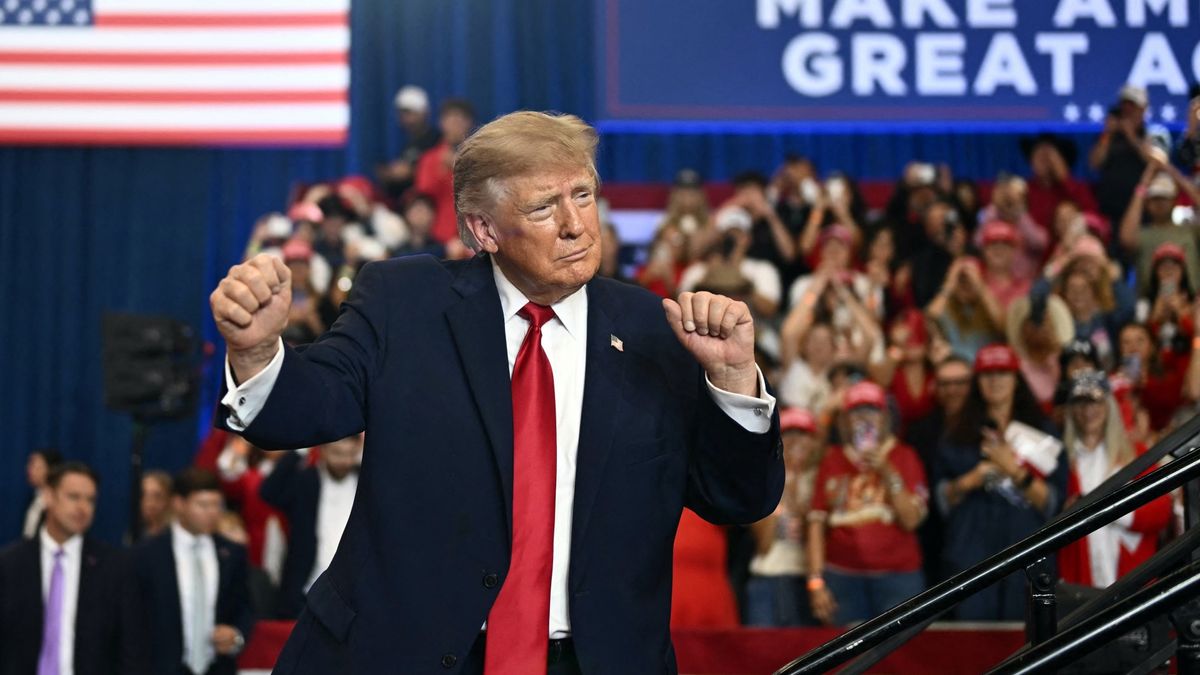
Donald Trump took the stage in Dubuque, Iowa, and later in Salina, Kansas, promising to protect a narrow Republican hold on the U.S. Senate. The stops, briefly cancelled and then reinstated, were framed as a last‑minute push to keep the party’s 53‑seat edge intact ahead of Tuesday’s elections. While the president’s remarks emphasized “honest” voting, the underlying goal was clear: mobilize loyal voters in states that have historically tipped the balance of power.
The Senate map for 2026 leaves the Republican Party with a razor‑thin majority, meaning every contested seat can shift the legislative agenda. Iowa’s 2nd Congressional District and Kansas’s Senate race are both within the statistical margin of error, turning them into high‑stakes battlegrounds where a few thousand votes decide national policy direction.
National donors have funneled record sums into both states, betting that a win will preserve a legislative environment favorable to corporate tax cuts and defense spending. The influx of money reshapes local campaign strategies, pushing candidates to adopt national talking points rather than address constituency‑specific concerns.
Cable networks and social platforms have amplified Trump’s appearances, presenting them as a litmus test for party unity. By positioning the rallies as a “return to the people,” the campaign seeks to marginalize dissenting Republican voices who question the president’s recent policy choices, such as the Iran conflict and tariff regime.
In Iowa, small‑town farmers confront lingering effects of trade tariffs that have depressed commodity prices. The rally’s promise of “strong America” masks the reality that many families are still coping with reduced income and higher input costs, forcing them to choose between voting for a familiar brand or seeking alternatives that address their economic pain.
Young staffers, many from the Gen Z cohort, endure long hours, low pay, and constant travel. The intense schedule of door‑knocking, phone banking, and data entry takes a toll on mental health, especially as the race tightens and the threat of a lost Senate majority looms.
Bars, restaurants, and event venues that host rallies see a short‑term boost in sales, yet they also risk alienating customers who oppose the political message. The polarized atmosphere can depress regular patronage, leaving owners to navigate a volatile market that swings with each political flashpoint.
While Trump’s speeches celebrate “America first,” they rarely acknowledge that the tariffs imposed during his previous term have led to higher prices for everyday goods. Retailers in both Iowa and Kansas report a measurable dip in consumer spending, a fact that campaign messaging conveniently sidesteps.
If Democrats capture even a single seat, they gain the leverage to launch inquiries into the administration’s handling of the Iran war and the 2024 election interference claims. The rally rhetoric frames such probes as partisan witch‑hunts, obscuring the genuine accountability stakes for the public.
Record early voting numbers suggest high engagement, yet many voters report feeling exhausted by relentless campaign blitzes. The constant stream of rallies, ads, and door‑knocking can depress turnout in marginalized neighborhoods, where logistical barriers already suppress participation.
Analysts will monitor whether the late‑stage rallies translate into higher turnout in rural precincts or simply reinforce existing partisan divides. Early‑vote data from the University of Florida’s Election Lab will be a key indicator.
Both states have seen lawsuits over voter‑ID laws and mail‑in ballot deadlines. Any court rulings in the coming weeks could reshape the final vote count, especially in districts where margins are razor‑thin.
If the Republicans retain their majority, expect a continuation of the current legislative agenda, including defense spending hikes and limited oversight of the executive branch. A Democratic gain, however, could stall key bills and trigger a series of investigations that reshape the political landscape for the remainder of Trump’s term.
Stay alert to these developments, as they will determine not only who occupies the Senate seats but also how ordinary Americans experience policy outcomes in the years ahead.
Both states host Senate races that sit within the statistical margin of error, meaning a win or loss can shift the national majority from 53‑47 to a tie or a Democratic lead, directly affecting legislative control.
Rallies energize party bases but can also deepen fatigue, especially among rural voters facing economic strain from tariffs and campaign workers dealing with intense schedules, potentially influencing turnout and local sentiment.
Editor's Note: Analysis based on publicly available reports and polling data; future legal rulings could alter projected outcomes.
Source referenced: ALJAZEERA
This brief was synthesized by our Editorial Engine and reviewed by The Ground Narrative team.


