TRENDING

Sunday, 1 November 2026
----------------------
21 Jumada Al-Awwal 1448 AH
Russia and Ukraine are set to engage in trilateral talks in Abu Dhabi, mediated by the United States, even as both sides explicitly state their intent to continue and escalate military operations. This paradoxical situation highlights the complex layers of power at play.
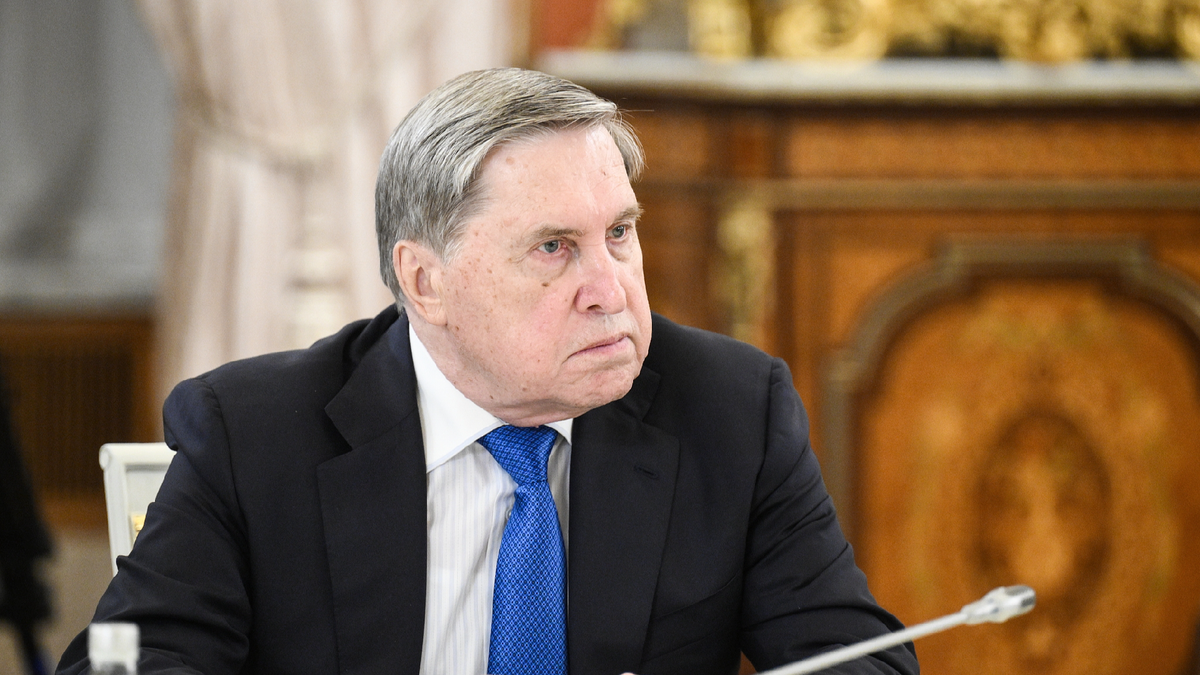
Russia and Ukraine are engaged in discussions to hold trilateral talks in Abu Dhabi, United Arab Emirates, in November 2026. These meetings, which a Kremlin aide described as having "decisive significance" for resolving the conflict, are slated to be mediated by the United States. However, this diplomatic overture is unfolding against a backdrop of continued, intense military confrontation, with both Moscow and Kyiv affirming their intent to escalate operations rather than de-escalate. Simultaneously, the US State Department has approved a substantial $2.1 billion sale of Patriot Advanced Capability-3 (PAC-3) Missile Segment Enhancement (MSE) missiles to Ukraine, financed by a coalition of Canada, Germany, Norway, and the European Union.
This proposed trilateral dialogue, occurring amidst an unabated military struggle, reveals a complex interplay of power, leverage, and strategic signaling from all parties involved. It is not a simple pursuit of peace, but a calculated maneuver within the broader conflict.
For Russia, agreeing to talks while explicitly rejecting a ceasefire is a potent demonstration of its perceived strength and resolve. The Kremlin's statement that preparations for talks do not imply limiting military operations, and its opposition to any ceasefire that would offer Ukraine a "respite," signals that Moscow views diplomacy as a parallel track, not a substitute for military pressure. This approach allows Russia to project an image of openness to dialogue on the international stage, potentially easing pressure from some quarters, while simultaneously pursuing its objectives on the ground. It also offers a platform to articulate its core demands, such as the recognition of annexed territories or Ukraine's neutrality, without necessarily expecting immediate concessions. The choice of Abu Dhabi as a venue, a neutral territory with significant economic ties to Russia, further underscores Moscow's desire to engage on its own terms, potentially bypassing traditional European diplomatic channels.
Ukraine's willingness to engage in talks while simultaneously announcing plans to expand its "deep-strike units" and long-range capabilities speaks to a dual strategy of seeking diplomatic avenues while bolstering its military leverage. President Volodymyr Zelenskyy's hope for the meeting to take place, coupled with his vow of "fully justified response" to Russian strikes, indicates that Kyiv sees diplomacy as a tool to secure its interests, not as a sign of weakness or a precursor to surrender. Ukraine is likely under pressure from its Western allies to demonstrate a commitment to a political resolution, even as it continues to fight for its territorial integrity. Its insistence on Europe's involvement, despite its exclusion from the proposed trilateral format, highlights Kyiv's desire to maintain a broad base of international support and prevent a solely US-Russian-Ukrainian dialogue from dictating its future.
The United States' role as mediator is multi-faceted. On one hand, it positions Washington as a responsible global actor seeking to de-escalate a major conflict. On the other, its simultaneous approval of a $2.1 billion missile sale to Ukraine underscores its continued commitment to Kyiv's defense. The financing mechanism for these Patriot missiles – contributions from Canada, Germany, Norway, and the EU's Ukraine Support Loan, with "no US funds" used – is a subtle but significant power play. It allows Washington to facilitate crucial military aid to Ukraine without directly impacting the US budget, thereby distributing the financial burden among allies and potentially mitigating domestic political resistance to direct spending. This strategy demonstrates a long-term commitment to Ukraine's defense while also signaling to Russia that Western support is broad and sustained, not solely dependent on US coffers. The US is attempting to manage the conflict on both diplomatic and military fronts, aiming to shape the battlefield conditions while keeping a potential off-ramp open.
Abu Dhabi's role as host enhances its growing reputation as a neutral diplomatic hub and a significant player in global affairs. Hosting such high-stakes talks confers soft power and demonstrates the UAE's ability to engage with major global powers. The explicit exclusion of European representatives from the core trilateral talks, despite Kyiv's desire for their involvement, is a notable power dynamic. It suggests a perception, perhaps shared by Washington and Moscow, that the core issues of the conflict are best addressed in a more direct, limited format, potentially sidelining Europe's collective diplomatic influence and highlighting its internal divisions on how to approach Russia.
The most profound and immediate consequence of this "talks while fighting" dynamic falls squarely on the shoulders of ordinary people. When diplomacy is pursued without a commitment to a ceasefire, the human suffering inherent in conflict continues unabated, often intensifying as parties seek to gain leverage at the negotiating table.
With Russia openly stating its opposition to a ceasefire and Ukraine preparing for expanded deep-strike capabilities, the likelihood of continued civilian casualties remains tragically high. Every day the conflict persists means more lives lost, more homes destroyed, and more families displaced. Cities and towns, already scarred by years of war, face further bombardment, pushing humanitarian crises to breaking points. The psychological toll on populations living under constant threat of attack is immeasurable, leading to long-term trauma and societal disruption.
The continuation of military operations means that soldiers on both sides will continue to pay the ultimate price. The absence of a ceasefire during diplomatic discussions effectively uses human lives as bargaining chips, as commanders push for gains to strengthen their negotiators' positions. This strategy, while militarily rational for the powerful, translates directly into increased casualties, injuries, and the profound grief of families.
The war economy persists, draining resources that could otherwise be directed towards development and public welfare. Ukraine's infrastructure, industries, and agricultural lands continue to suffer immense damage, delaying any prospect of recovery and reconstruction. Globally, the protracted conflict contributes to instability in energy markets, exacerbates food insecurity, and disrupts supply chains, impacting the cost of living for ordinary citizens far beyond the immediate conflict zone. The financing of Patriot missiles, while crucial for Ukraine's defense, represents billions of dollars diverted from other potential investments, a cost ultimately borne by taxpayers in contributing nations.
For those enduring the conflict, the spectacle of leaders discussing peace while bombs continue to fall can erode trust in political processes and dim hopes for a swift resolution. The disconnect between diplomatic rhetoric and battlefield reality fosters cynicism, making it harder to build sustainable peace even if an agreement is eventually reached. The human cost extends beyond immediate physical harm to the psychological and social fabric of affected communities.
Beneath the official statements and the visible diplomatic maneuvers, several critical narratives are being downplayed or entirely omitted by powerful actors, shaping public perception and obscuring the true mechanics of the conflict.
The most significant untold story is the deliberate creation of an illusion of progress towards peace. While the Kremlin aide describes the talks as having "decisive significance," Kremlin spokesman Dmitry Peskov simultaneously states that Russia is "against a ceasefire that would give the Ukrainians a respite." This contradiction is not accidental; it serves to manage international expectations. For Moscow, engaging in talks allows it to appear reasonable and open to dialogue, potentially softening international criticism and undermining efforts to further isolate it. For Washington, facilitating talks demonstrates a commitment to de-escalation, even as it continues to arm Ukraine. The reality is that these talks are likely more about establishing channels of communication and testing red lines than about forging an immediate peace agreement, especially given the explicit intent to continue fighting.
When Russian Foreign Minister Sergei Lavrov speaks of "fundamental issues in relations between Russia and the United States remained unresolved," he is hinting at Moscow's core, likely non-negotiable demands that extend far beyond a mere ceasefire. These likely include the recognition of Russian control over annexed Ukrainian territories, Ukraine's permanent neutrality, and potentially a rollback of NATO's eastward expansion. These are the underlying conditions that Russia seeks to impose, and until they are addressed to Moscow's satisfaction, any diplomatic engagement is likely to be a protracted process of posturing and leverage-building, rather than genuine compromise. Public statements rarely articulate these maximalist positions clearly, preferring vague references to "security concerns."
The explicit exclusion of European representatives from these trilateral talks, despite Kyiv's desire for their involvement, is a significant omission in the narrative of a unified Western front. It suggests that for the primary actors – Russia, the US, and Ukraine – the critical decisions are perceived as being made in a more exclusive forum. This marginalization of Europe could be interpreted as a reflection of its internal divisions on Russian policy, its perceived lack of decisive military leverage compared to the US, or a deliberate move by Russia to fragment Western unity. It highlights a power dynamic where Europe, despite bearing significant economic and security consequences of the war, is not seen as a primary architect of its potential resolution in this specific format.
The US State Department's emphasis that "no US funds will be used" for the Patriot missile purchase, while technically true, downplays the broader financial and political commitment involved. While direct US budgetary funds are not used, the US is the primary facilitator, manufacturer, and strategic orchestrator of this significant arms deal. The financing from Canada, Germany, Norway, and the EU represents a substantial commitment from US allies, effectively pooling resources to support US foreign policy objectives. This framing allows the US to maintain its leadership role in arming Ukraine while deflecting domestic scrutiny over direct financial outlays, creating a narrative of shared burden that might obscure the US's central strategic direction.
As these paradoxical diplomatic efforts unfold, several key indicators will reveal the true trajectory of the conflict and the sincerity of the parties involved.
First, observe the actual occurrence and timing of the Abu Dhabi talks. Any delays, cancellations, or shifts in the proposed dates (November 6-10) could signal underlying disagreements or a strategic recalibration by any of the parties. The specific agenda, if it becomes public, will be crucial: are they discussing a comprehensive peace plan, a temporary ceasefire, or merely confidence-building measures and prisoner exchanges?
Second, pay close attention to the intensity and nature of military operations before, during, and immediately after the talks. Russia's explicit rejection of a ceasefire means that continued or even escalated fighting, particularly around key strategic objectives, will be a direct test of the talks' true purpose. Similarly, Ukraine's expansion of deep-strike capabilities will indicate its intent to maintain battlefield pressure regardless of diplomatic overtures. A significant shift in military activity, either an unexpected lull or a dramatic escalation, would be highly telling.
Third, scrutinize the public statements from Russian, Ukrainian, and US officials following any meetings. Look for subtle changes in rhetoric regarding red lines, territorial claims, or security guarantees. Are there any indications of flexibility, or do positions remain rigidly entrenched? The language used to describe the outcomes, even if vague, can offer clues about progress or continued deadlock.
Finally, monitor the reactions and actions of European nations. Will their exclusion from the core trilateral talks lead to a unified push for their own diplomatic track, or will they continue to support the US-led mediation? Their response will be critical in understanding the broader Western strategy and the potential for a more inclusive, or fractured, approach to resolving the conflict. The long-term commitment of European funding for Ukrainian defense, as seen with the Patriot missile deal, will also be a key indicator of sustained support.
Source referenced: CGTN
This brief was synthesized by our Editorial Engine and reviewed by The Ground Narrative team.