TRENDING

Monday, 2 November 2026
----------------------
22 Jumada Al-Awwal 1448 AH
Eight months of conflict in the Persian Gulf have inflicted substantial, long-term damage on critical energy infrastructure, despite a misleadingly stable flow of oil. The world's reliance on this fragile system is being tested, with ordinary citizens bearing the hidden costs.
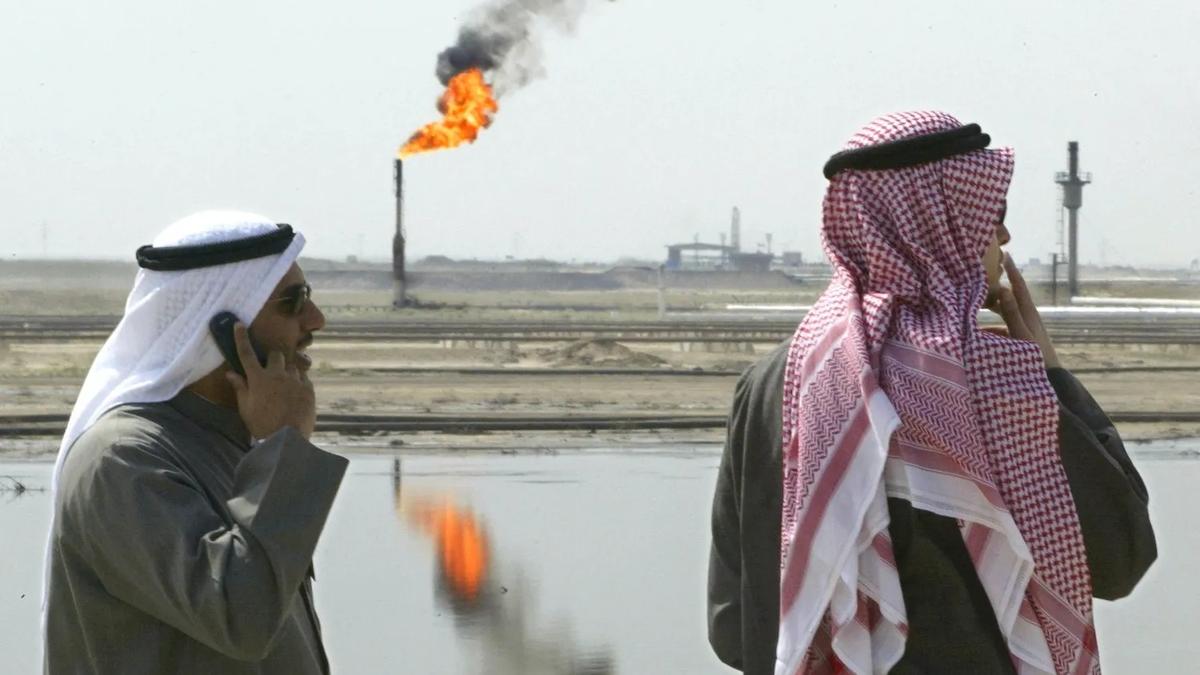
For the past eight months, the Persian Gulf has been a theater of escalating conflict, witnessing a sustained campaign of drone and missile attacks primarily attributed to Iran and its proxy, the Houthis. These assaults have targeted crucial energy infrastructure across several Gulf states, including Saudi Arabia, the United Arab Emirates, and Qatar. While the immediate flow of oil through vital arteries like the Strait of Hormuz has, by some measures, remained surprisingly robust—even exceeding pre-war levels—the underlying reality is one of significant, long-term damage to refineries, liquefied natural gas (LNG) trains, and export terminals. This ongoing attrition has led to calls for a more intensive military response, with reports indicating that U.S. and Israeli planners have prepared options for strikes against Iranian nuclear, missile, and energy facilities, a move that could ignite a far more destructive phase of the conflict.
The current situation in the Persian Gulf is a stark illustration of how asymmetric warfare can unravel decades of strategic planning and investment. The power dynamics at play reveal a dangerous disconnect between perceived market resilience and the actual fragility of global energy supply.
Powerful actors, particularly within the U.S. administration and some financial institutions like JPMorgan, have adopted a narrative that energy markets are
Source referenced: FOREIGNPOLICY
This brief was synthesized by our Editorial Engine and reviewed by The Ground Narrative team.


