TRENDING

Monday, 2 November 2026
----------------------
22 Jumada Al-Awwal 1448 AH
Kenya won a pledge from Moscow to stop enlisting its citizens for the war in Ukraine, but the deal masks deeper power plays and leaves thousands of families in limbo. The analysis uncovers who benefits, who bears the cost, and what to watch next.
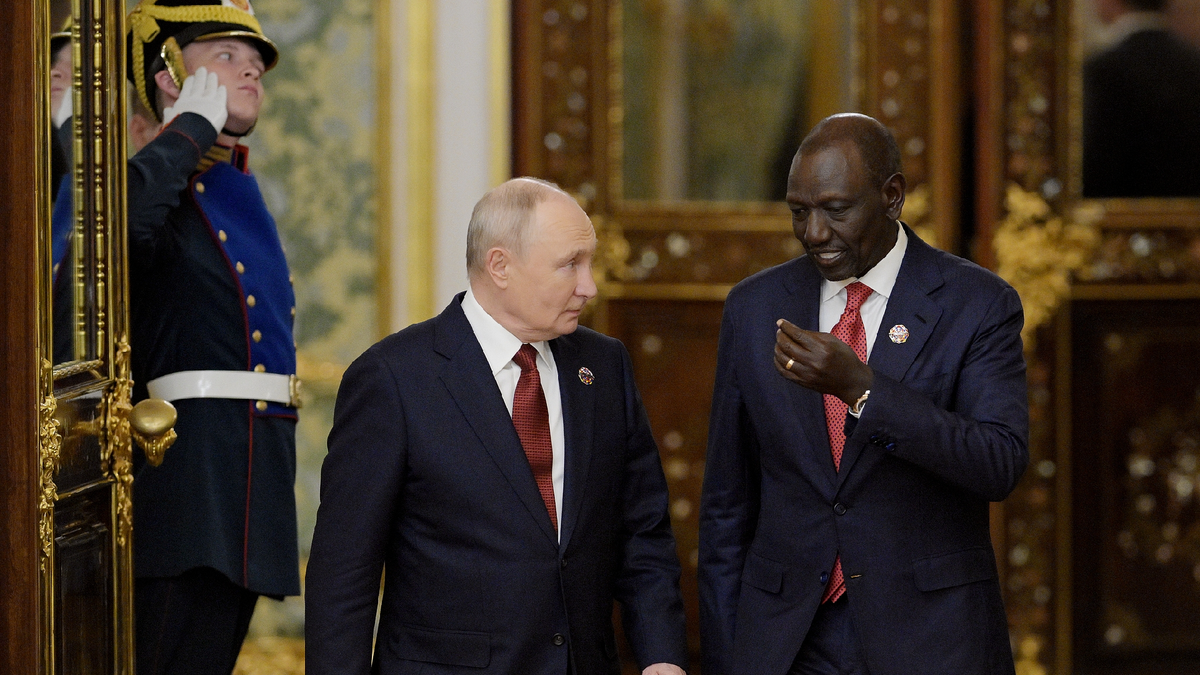
President William Ruto met Vladimir Putin on the sidelines of the 3rd Russia‑Africa Summit in Moscow on October 29, 2026. Russia agreed to label Kenya a "non‑source country" for military recruitment, effectively promising to stop enlisting Kenyan nationals for the war in Ukraine. Ruto also announced plans for a defence attaché in Moscow to coordinate the return of Kenyans already fighting and to negotiate compensation.
The recruitment of foreign nationals has long been a low‑cost manpower source for Russia as its own demographic pool shrinks and casualties mount. By offering a public pledge, Moscow seeks to improve its image in Africa, a continent where it competes with China, the EU, and the United States for influence. For Kenya, the agreement serves multiple political purposes. Domestically, Ruto can portray himself as a defender of Kenyan lives, bolstering his fragile coalition ahead of the 2027 elections. Internationally, the deal opens the door to expanded economic ties—scholarships, labor agreements, and technology transfers—that can diversify Kenya's trade portfolio beyond traditional Western donors.
The bilateral labour agreement under discussion is more than a paperwork exercise; it creates a regulated pipeline for Kenyan workers to fill gaps in Russia's aging workforce, especially in sectors like healthcare and AI. This arrangement offers Kenya a source of remittances and skill development, while Russia gains a vetted labor pool that can be steered away from combat roles. The diplomatic choreography also signals to other African states that Moscow is willing to negotiate concessions, potentially weakening Western leverage on the continent.
Kenyan families have already felt the shock of losing sons, brothers, and fathers to a distant war. The Ministry of Foreign Affairs reported 354 Kenyans linked to the conflict, including those killed, missing, hospitalized, or repatriated. The emotional toll is compounded by bureaucratic hurdles that delay the return of captured or wounded soldiers, leaving relatives in a state of indefinite mourning.
Many of the recruited individuals came from Kenya's poorest counties—Machakos, Kitui, and Turkana—where unemployment rates exceed 20%. The loss of working‑age men depresses household incomes, pushes children into early labor, and strains community support networks. Even the 62 repatriated soldiers require medical care and psychosocial support that the Kenyan health system is ill‑equipped to provide.
The promise of overseas work has been a powerful recruitment tool for traffickers and informal recruiters. The abrupt policy shift may leave a vacuum that unscrupulous networks will try to fill with other destinations, potentially exposing youths to even riskier migration pathways.
Official Russian statements frame the pledge as a humanitarian gesture, yet they omit the strategic calculus behind it. By designating Kenya a "non‑source" country, Moscow reduces diplomatic friction while preserving the ability to recruit from other African nations that have not secured similar guarantees. The narrative also downplays the ongoing reliance on mercenary groups and private military contractors, which continue to draw foreign fighters from elsewhere.
Ruto announced plans to seek compensation for Kenyans who served in the Russian army, but the mechanisms for such reparations remain vague. No details were provided on how the amount will be calculated, who will oversee disbursement, or whether Russia will acknowledge liability. This omission leaves affected families uncertain about any future financial redress.
While the labour pact promises legal pathways for Kenyan workers, the agreement’s fine print could lock migrants into low‑wage, low‑rights positions in Russia’s peripheral regions. Critics worry that the deal may replicate the exploitative patterns seen in other bilateral labour arrangements, where host countries benefit from cheap labor while migrants face limited mobility and inadequate protections.
The next steps will reveal whether the recruitment halt is a genuine break or a tactical pause. Key indicators include: the appointment and activity of Kenya’s defence attaché in Moscow; any formal signing of the bilateral labour agreement and its implementation guidelines; and the volume of repatriated Kenyans over the next six months. Observers should also monitor how other African states respond—whether they seek similar guarantees or pivot toward alternative partners. Finally, the domestic political fallout in Kenya, especially as the 2027 elections approach, will test Ruto’s ability to translate this diplomatic win into electoral capital.
The unfolding situation underscores how a single diplomatic promise can ripple through military strategy, migration flows, and ordinary lives across continents.
It signals that Russia will stop actively recruiting Kenyan citizens for its armed forces, but it does not guarantee the release of those already fighting or prevent other recruitment channels.
Kenyan officials have recorded 354 individuals connected to the war, including those killed, missing, hospitalized, on the front lines, or already repatriated.
The agreement aims to create legal pathways for work, yet its detailed provisions are still unclear, raising concerns about wage levels, rights, and enforcement mechanisms.
Editor's Note: Analysis based on publicly available statements and reported figures; some details of the upcoming labour agreement remain undisclosed.
Source referenced: CGTN
This brief was synthesized by our Editorial Engine and reviewed by The Ground Narrative team.


