TRENDING

Monday, 2 November 2026
----------------------
22 Jumada Al-Awwal 1448 AH
In a frantic effort to lower fuel prices before critical midterm elections, the US administration made controversial overtures to Russia and pressured Ukraine, all while an escalating war with Iran drives global oil costs higher.
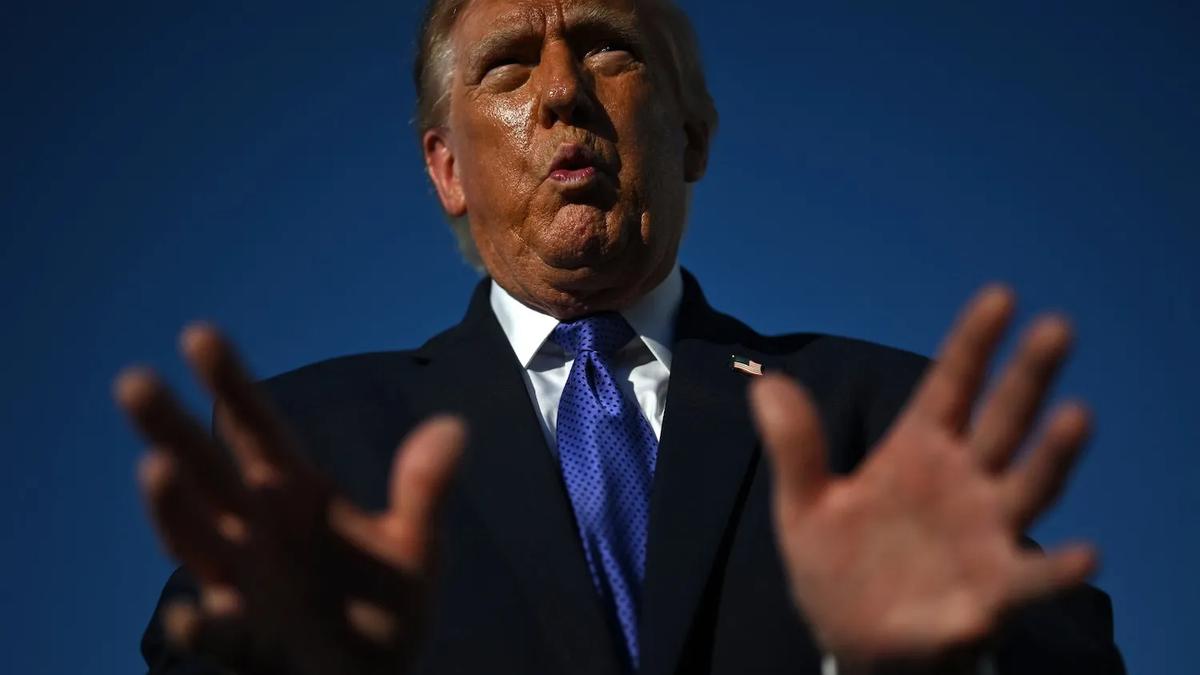
In the weeks leading up to critical midterm elections, the United States administration, under President Trump, made a series of urgent and controversial moves aimed at reducing domestic fuel prices. This included an eleventh-hour attempt to purchase Russian diesel, a measure explicitly forbidden under US law due to existing sanctions against Moscow. Simultaneously, Kyiv was pressured to halt its drone and missile strikes on Russian oil refineries, a key strategy for Ukraine to degrade Russia's war machine. These actions unfolded against the backdrop of an eight-month-long and escalating war with Iran, which has already pushed global oil prices to over $117 a barrel, significantly impacting US consumers and the global economy.
The driving force behind the Trump administration's recent foreign policy maneuvers is overwhelmingly domestic political survival. With midterm elections looming, high fuel prices represent a direct and tangible grievance for US voters, threatening electoral outcomes. The administration's attempts to secure Russian diesel and curb Ukrainian strikes on Russian oil infrastructure were not about long-term energy strategy or international alliances, but rather a desperate, short-term gamble to influence voter sentiment by appearing to address a pressing economic concern.
This approach reveals a fundamental tension between domestic political imperatives and established foreign policy principles. The very act of attempting to purchase Russian diesel directly undermines the sanctions regime that the US and its allies have spent years constructing to penalize Moscow for its aggression. This erosion of sanctions, even if the deal ultimately failed to materialize, signals to Russia and other adversarial nations that US resolve can be swayed by internal political pressures. US energy traders, wary of legal repercussions and congressional scrutiny, refused to engage, demonstrating that the market's adherence to legal frameworks can sometimes override political directives, especially when those directives are seen as precarious or illegal.
The pressure exerted on Ukraine further illustrates this dynamic. Kyiv was urged to show
Source referenced: FOREIGNPOLICY
This brief was synthesized by our Editorial Engine and reviewed by The Ground Narrative team.