TRENDING

Monday, 2 November 2026
----------------------
22 Jumada Al-Awwal 1448 AH
The 2026 US midterms are more than a routine vote; they are a decisive test of institutional power and public patience. This analysis uncovers the forces at play, the communities bearing the cost, and the narratives being left out.
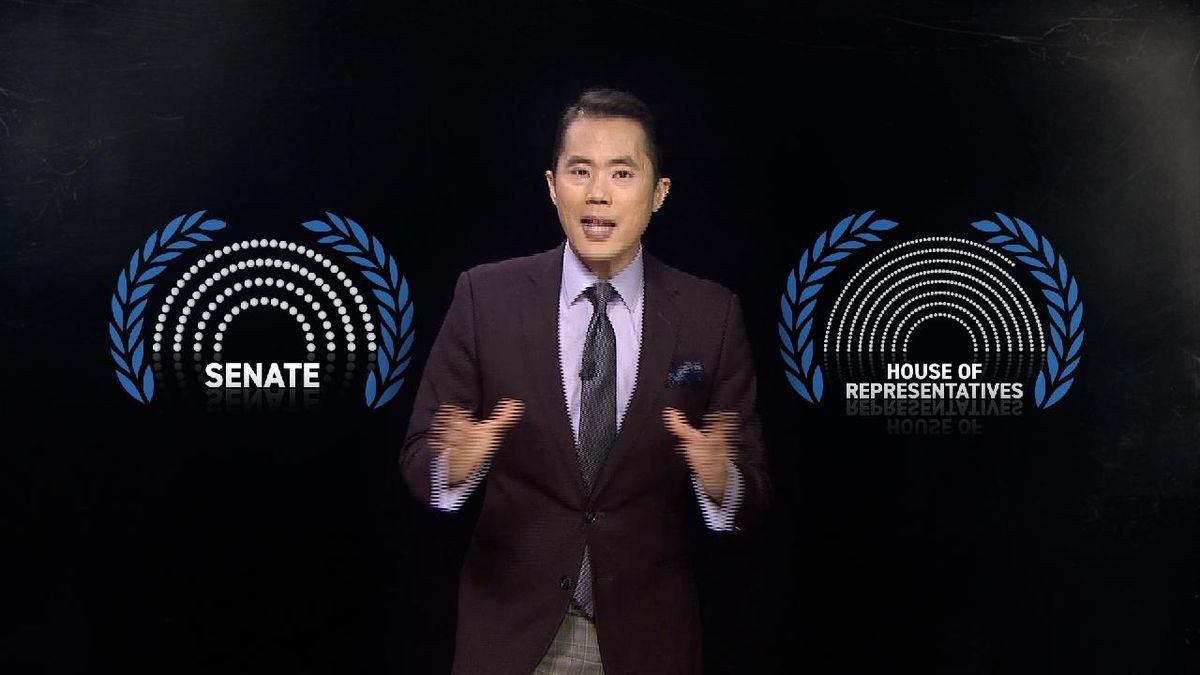
The 2026 United States midterm elections took place on November 3, with all 435 seats in the House of Representatives and 34 Senate seats up for grabs. Voters also decided on dozens of state and local offices, as well as numerous ballot measures that could reshape policy for years to come. While the official narrative frames the contests as a referendum on the President and his party, the outcomes will reverberate through every branch of government.
Control of the House determines which party sets the legislative agenda, chairs committees, and decides which bills even see a floor vote. A narrow majority can translate into disproportionate leverage over budget allocations, oversight hearings, and impeachment inquiries. In the Senate, the balance of power affects confirmation of federal judges, including Supreme Court nominees, and the ability to filibuster or advance controversial legislation.
Although the President is not directly on the ballot, midterms traditionally serve as a barometer of public approval. A loss of seats for the President’s party can weaken executive bargaining power, forcing the administration to negotiate with a hostile Congress or risk legislative gridlock. This dynamic also shapes the President’s domestic agenda, from infrastructure spending to climate policy.
Both the Democratic Party and the Republican Party rely heavily on a network of super‑PACs, corporate donors, and wealthy benefactors. The 2026 cycle saw record‑high contributions to campaign ads, especially in swing districts where a few thousand votes can tip the balance. These funds often come with policy expectations, such as deregulation for energy firms or tax breaks for tech giants, embedding private interests into the public decision‑making process.
Following the 2020 census, many states completed redistricting battles that favored incumbents through gerrymandering. The new district lines have packed opposition voters into a few districts while diluting their influence elsewhere, effectively engineering outcomes before a single ballot is cast. This structural advantage amplifies the power of state legislatures that control the map‑drawing process.
In industrial regions of the Midwest, factory closures and stagnant wages have made the midterms a matter of survival. Candidates promising subsidies for manufacturing or cuts to labor protections directly affect whether a family can keep a steady paycheck. When elected officials prioritize corporate tax breaks over job training programs, the cost falls on workers who already face precarious employment.
Latino, Black, and Indigenous populations in states like Arizona, Georgia, and North Carolina are disproportionately targeted by voter‑suppression tactics, including strict ID laws and reduced early‑voting sites. These measures suppress turnout, weakening the political voice of communities that rely on federal funding for schools, healthcare, and housing. The resulting policy gaps exacerbate existing inequities.
Midterm outcomes shape funding for public schools, community policing, and emergency services. Districts that swing to a party favoring reduced federal aid may see cuts to school nutrition programs or delayed infrastructure repairs, directly impacting children’s health and neighborhood safety.
While campaign ads dominate the public sphere, a quieter influence operates through lobbyists who meet with legislators daily. Energy conglomerates, pharmaceutical firms, and tech platforms have intensified their presence in Washington, pushing for legislation that protects their profit margins at the expense of consumer protections. These interactions are rarely disclosed in mainstream coverage.
Major news outlets often simplify the midterms as a binary test of the President’s popularity, sidelining deeper policy debates. By focusing on poll numbers and party swings, the press downplays how specific legislative proposals—such as changes to Social Security or immigration enforcement—will affect everyday lives. This framing obscures the stakes for ordinary citizens.
Both China and Russia monitor the US midterms for signs of internal weakness that could be exploited diplomatically. Their state‑run media amplify narratives of American division, aiming to influence allied governments and justify their own domestic security measures. These external perspectives are rarely acknowledged in US political discourse.
The next six months will reveal whether the newly elected Congress can pass a budget without triggering a government shutdown, a scenario that would directly impact federal employees and contractors. Watch for bipartisan negotiations on the debt ceiling, as any stalemate could ripple through global markets. Additionally, keep an eye on state‑level redistricting lawsuits that may reshape future electoral maps, and on the rollout of new voting technology that could either expand or restrict voter access. These developments will determine whether the promises made on the campaign trail translate into tangible outcomes for the American public.
Midterms occur halfway through a presidential term, allowing voters to express approval or disapproval of the administration’s policies. A loss of seats for the President’s party signals reduced legislative support and can limit the executive’s agenda.
Redistricting redraws congressional boundaries, often favoring incumbents through gerrymandering. By concentrating opposition voters in a few districts, the process can predetermine which party wins the majority, influencing national policy direction.
Editor's Note: Analysis based on publicly available election data and expert commentary; specific lobbying expenditures may vary.
Source referenced: CGTN
This brief was synthesized by our Editorial Engine and reviewed by The Ground Narrative team.