TRENDING

Monday, 2 November 2026
----------------------
22 Jumada Al-Awwal 1448 AH
As the 2026 US midterms near, European capitals and Ottawa scramble for clues. The outcome could reverberate through trade, security and everyday lives on both sides of the Atlantic.
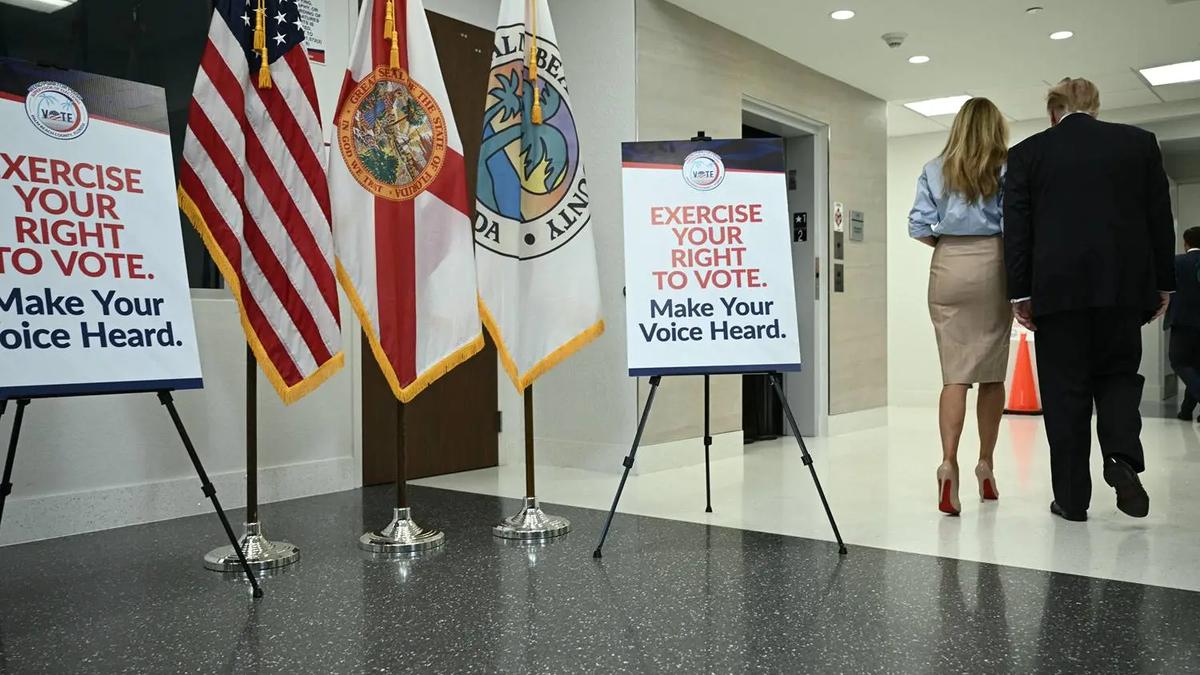
The United States heads to the polls on November 5, 2026 for a midterm election that will decide whether Democrats can wrest control of the House and Senate from Donald Trump's Republican majority. Across the Atlantic, Google search data shows Canadians searching for “US midterms” more often than Americans, while European users in Denmark, Qatar and Norway rank the topic among their top queries. The election is being watched not just for domestic implications but for the signal it sends to allies battered by Trump‑era trade bans, immigration enforcement, and a renewed war stance toward Iran.
The midterm contest is a classic mix of electoral calculus and structural power. First, Congressional seats are the only institutional lever that can formally check the president’s agenda, yet the executive branch retains sweeping authority over foreign policy, sanctions, and military deployments. This asymmetry means that even a Democratic sweep would leave Trump with a potent veto and a Supreme Court that has already shown a willingness to sidestep congressional oversight.
Second, political survival drives both parties. Republicans in swing districts are betting on a “law‑and‑order” narrative that ties ICE raids and the Iran conflict to national security, hoping to mobilize voters who fear a return to pre‑Trump multilateralism. Democrats, meanwhile, are framing the election as a referendum on the president’s “authoritarian drift,” hoping to rally suburban voters and labor unions still reeling from tariff spikes.
Third, economic trade‑offs loom large. Since 2024, Trump has imposed punitive tariffs on Canadian lumber and dairy, and threatened to curtail the North American Aerospace Defense Command (NORAD) partnership unless Canada aligns with his immigration stance. European exporters face indirect pressure through the president’s aggressive stance on Greenland and his support for a hardline Iran policy that jeopardizes energy markets. A Democratic win could open the door to renegotiated trade terms, but only if the president concedes to congressional pressure—a scenario many analysts deem unlikely.
Finally, alliance math matters. NATO’s strategic cohesion depends on the United States maintaining credible defense spending and political resolve. The looming impeachment vote on Defense Secretary Pete Hegseth—accused of violating war‑powers statutes—adds another layer of uncertainty. If Democrats succeed in removing Hegseth, it could signal a shift toward stricter civilian oversight of the military, a change that European capitals have quietly welcomed but have not publicly demanded.
Canadian farmers and lumber producers have already felt the sting of retaliatory tariffs, with export revenues down 12% year‑over‑year. Small‑towns in British Columbia that depend on U.S. lumber markets face layoffs, while dairy cooperatives in Ontario see surplus milk piling up. Beyond economics, the president’s rhetoric about “border security” has inflamed anti‑immigrant sentiment in Canadian media, prompting tighter provincial policies that affect refugees and seasonal workers.
European nations that rely on stable oil prices—particularly Germany and Italy—are watching the Iran conflict closely. Trump’s hawkish posture has kept oil prices volatile, raising household energy bills across the EU. In the defense arena, countries like Norway and Denmark, which host NATO forward‑deployed forces, worry that a continued Trump administration could deprioritize joint exercises, leaving them more exposed to Russian posturing in the Arctic.
Domestically, the midterms will decide the fate of ICE policies that have already separated families and strained local shelters. Immigrant communities in Arizona, Texas and New York risk intensified raids if Republicans double down on enforcement. Moreover, the potential impeachment of Pete Hegseth could trigger a constitutional crisis that would ripple through the military’s chain of command, affecting service members stationed abroad, many of whom are from low‑income backgrounds.
Official statements from the White House emphasize that the election is “about democracy,” yet they downplay the reality that Trump can bypass Congress through executive orders and emergency powers. The administration’s reliance on the Supreme Court to uphold controversial policies—such as the travel ban on several Muslim‑majority countries—means that even a Democratic majority may find its legislative agenda neutered.
Western media outlets often portray a Democratic victory as a return to “normal” foreign policy, glossing over the fact that the president still controls the Pentagon, the State Department, and the nuclear command authority. This framing obscures the limited leverage that Congress truly holds, especially when the president can invoke the War Powers Resolution to sidestep legislative approval.
The imminent impeachment vote on Defense Secretary Pete Hegseth is being presented as a partisan showdown, but the deeper issue is civilian oversight of war powers. If the House proceeds, it could set a precedent for future checks on the military-industrial complex, a development that defense contractors in the United States and Europe are quietly monitoring. Their lobbying efforts are largely invisible to the public, yet they shape the narrative around national security and budget allocations.
In the weeks after November 5, three signals will indicate how the power balance is shifting. First, track the House Committee on Foreign Affairs hearings for any bipartisan language on trade renegotiation with Canada and the EU—early drafts often reveal the true bargaining position. Second, monitor the outcome of the Hegseth impeachment vote; a conviction would force the administration to appoint a defense chief more amenable to congressional oversight, while an acquittal could embolden further executive overreach. Third, watch diplomatic cables and public statements from NATO allies for subtle changes in joint exercise schedules or funding commitments, which often precede formal policy shifts.
By keeping an eye on these developments, ordinary citizens in Europe, Canada and the United States can gauge whether the midterm election will merely change party labels or actually alter the power dynamics that shape their daily lives.
A Democratic majority could pressure the president to roll back tariffs on Canadian lumber and dairy, but any change still requires presidential approval, making the outcome uncertain.
If convicted, it would reinforce congressional oversight of the military and could lead to a more compliant defense secretary; if not, it may signal that the executive can sidestep legislative checks.
Source referenced: FOREIGNPOLICY
This brief was synthesized by our Editorial Engine and reviewed by The Ground Narrative team.


