TRENDING

Monday, 2 November 2026
----------------------
22 Jumada Al-Awwal 1448 AH
Israel’s latest parliamentary election ended without a clear winner, sparking claims of foreign interference and a bitter power struggle. As parties negotiate a fragile coalition, ordinary citizens brace for political uncertainty and its everyday repercussions.
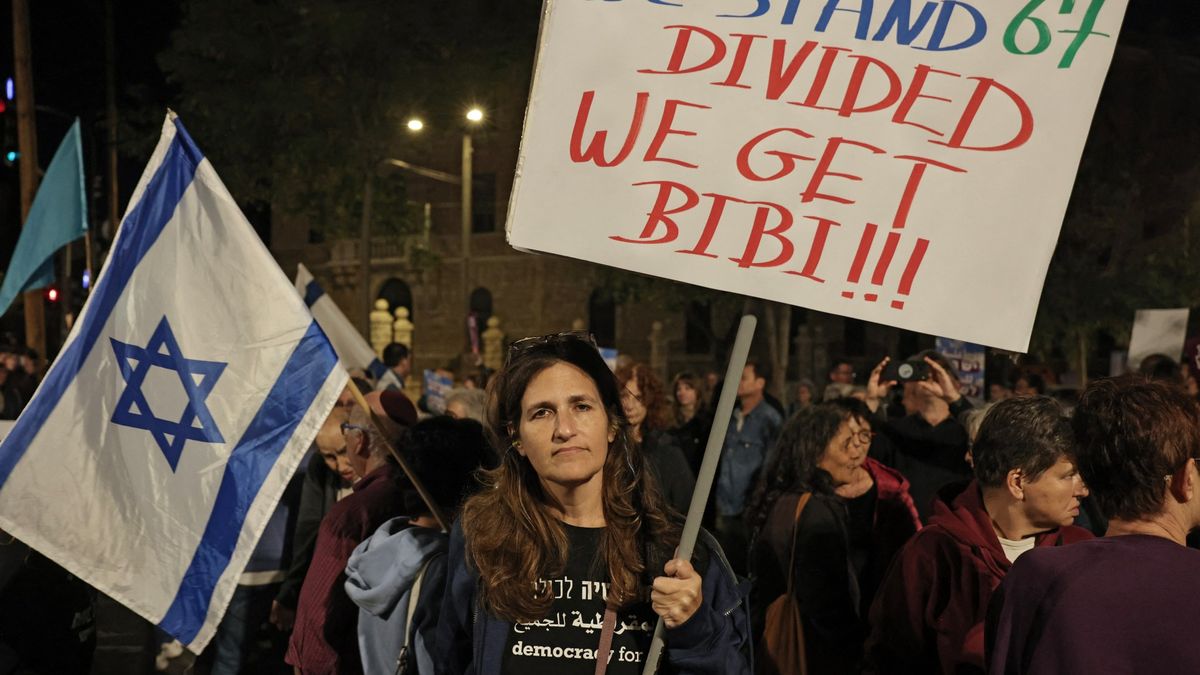
The 2026 Israeli parliamentary election produced a stalemate: Netanyahu's Likud bloc secured 53 seats, while the opposition led by Gadi Eisenkot won 48. Arab‑led parties, most notably the Ra’am party, captured a record 19 seats, creating a potential coalition that could push the total to 67 seats. Netanyahu publicly alleged that the vote was "stolen" through foreign funding, pointing to Qatar without presenting proof. The Central Elections Committee, backed by the Shin Bet and the attorney general, affirmed that even if interference were proven, the results would stand. Meanwhile, police released two of three activists accused of voter‑bribery, linking them to Ra’am, while the opposition accused the prime minister of an orchestrated delegitimisation campaign.
Israel’s parliamentary system forces parties to assemble a majority of 61 seats to form a government. The deadlock forces Netanyahu to consider partners he has long dismissed, while Eisenkot, who previously ruled out Arab allies, now faces a pragmatic choice: accept a coalition that includes parties representing a sizable Arab electorate or remain in opposition and risk prolonged caretaker rule. The stakes are amplified by internal security concerns; the Shin Bet’s involvement signals that the state views the allegations of foreign money as a potential breach of sovereignty, even as the elections commission downplays systemic impact. Internationally, Qatar’s denial of involvement reflects a broader pattern of Gulf states using soft power to influence regional politics, while Western allies watch cautiously, balancing support for Israel’s democratic institutions against the risk of legitimising a government perceived as marginalising Arab citizens. Economic incentives also play a role: coalition partners demand budget allocations for Arab municipalities, social welfare programs, and infrastructure upgrades, forcing the Likud bloc to weigh fiscal concessions against political survival.
For Arab Israelis, the election represented a historic opportunity to translate demographic growth into legislative influence. The surge to 19 seats could translate into funding for schools, clinics, and housing in Arab towns that have long suffered from under‑investment. However, the backlash—arrests, accusations of foreign funding, and public vilification—creates a climate of intimidation that may suppress future political participation.
Jewish voters, especially those in right‑wing strongholds, confront a dilemma: either accept a government that shares power with parties they view as hostile to Israel’s security narrative, or endure a prolonged political vacuum that could stall defense procurement and economic reforms. The uncertainty fuels anxiety in markets, with the shekel experiencing volatility and businesses delaying investment decisions.
Beyond the ethnic divide, ordinary Israelis face everyday disruptions: protests near the prime minister’s residence, heightened police presence, and a media environment saturated with accusations rather than policy debate. The prolonged caretaker period hampers the passage of budgetary measures, affecting public sector salaries, pension adjustments, and social services that millions rely on.
State‑aligned outlets have amplified Netanyahu’s narrative of a "stolen" election, casting Arab parties as proxies for foreign powers. This framing diverts attention from deeper structural issues, such as the electoral law that rewards fragmented party systems and the socioeconomic disparities that drive Arab voter turnout. Independent journalists, meanwhile, struggle to report on the financial trails linking foreign donors to Israeli politics, a story that could expose a broader pattern of external influence across multiple elections.
While Qatar publicly rejected the allegations, other regional actors have remained muted, avoiding direct criticism of Israel’s internal processes. Western capitals, preoccupied with their own electoral cycles and security concerns in the Middle East, have offered generic statements about respecting democratic outcomes, sidestepping the substantive question of whether foreign money is shaping Israeli policy. This silence allows the narrative of foreign interference to persist without rigorous scrutiny, preserving the status quo for powerful interests on both sides.
The next week will see the official certification of the vote and President Isaac Herzog’s nomination of a coalition‑building candidate. Watch for Eisenkot’s negotiations with Arab parties: any concession on budgetary allocations or security policy will signal the depth of Arab influence. Simultaneously, monitor legal proceedings against the arrested activists; a harsh sentence could deter future voter‑bribery but also reinforce claims of political persecution. Finally, keep an eye on foreign media coverage: a shift toward investigative reporting on Qatar’s alleged funding channels could force a reassessment of the "stolen" narrative and reshape public opinion ahead of the new government’s formation.
The deadlock resulted from a fragmented vote where Netanyahu's Likud bloc fell short of a majority and Arab‑led parties surged to a record 19 seats, leaving no single bloc able to command 61 seats without cross‑community cooperation.
A coalition that includes Arab parties would likely push for increased budgetary support for Arab municipalities, reforms in policing and civil rights, and could shift Israel's foreign policy calculus, especially regarding relations with neighboring Gulf states.
Source referenced: ALJAZEERA
This brief was synthesized by our Editorial Engine and reviewed by The Ground Narrative team.


