TRENDING

Monday, 2 November 2026
----------------------
22 Jumada Al-Awwal 1448 AH
President Donald Trump turned his final campaign stops into a barrage of Islamophobic accusations and conspiracy claims, aiming to stir fear and boost Republican turnout. The strategy spotlights a power play that risks deepening societal divides as the 2026 midterms approach.
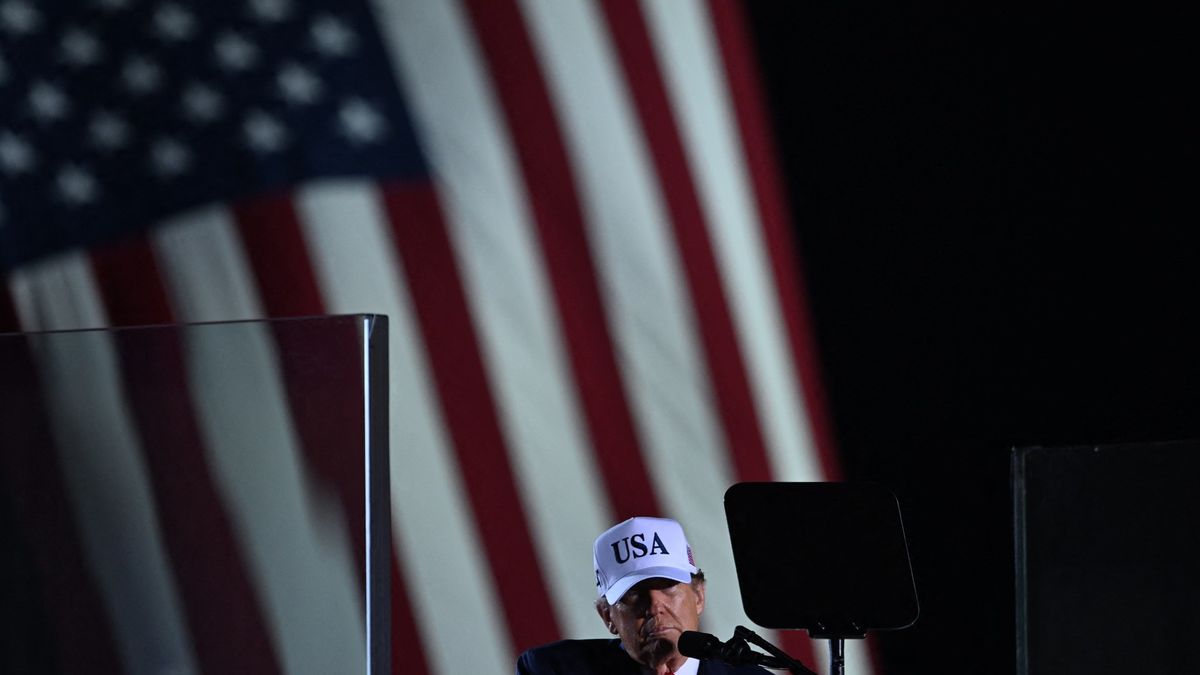
President Donald Trump took the stage at two hastily rescheduled rallies in Iowa and Kansas on November 1, 2026, just days before the nation votes in the midterm elections that will determine control of Congress for the remainder of his term. In both speeches he repeated unfounded claims that Democratic Senate hopeful Abdul El‑Sayed is a "jihadist" linked to the Muslim Brotherhood, mocked the idea of metal detectors for the candidate, and launched personal attacks on Ilhan Omar and other Democratic figures. The rallies, originally cancelled, were revived as what Trump billed as his final traveling events, punctuated by hecklers and a chorus of laughter from supporters. He urged the crowd to treat his name as if it were on the ballot, framing the election as a battle for the nation’s soul.
Trump’s rhetoric taps a long‑standing playbook: weaponize cultural anxieties to mobilise a base that feels threatened by demographic change and perceived elite overreach. By casting a Muslim‑American candidate as a security threat, he taps into post‑9/11 fear narratives that have proven effective in past elections. The incentive is clear—higher turnout among loyal Republicans can offset losses in swing districts where demographic shifts favor Democrats.
The political calculus also reflects intra‑party dynamics. With the Republican caucus split between traditional conservatives and Trump‑aligned populists, the former president uses incendiary language to reaffirm his dominance over the party’s narrative. Media coverage amplifies the spectacle, providing free airtime that would otherwise cost campaign funds. Meanwhile, the Democratic opposition is forced onto a defensive footing, diverting resources to counter misinformation rather than promoting policy proposals.
Economically, the rallies are low‑cost compared with televised ads, relying on volunteer logistics and existing party infrastructure. The strategy leverages the Trump brand as a commodity that can be sold to donors, who see the rallies as a signal of the candidate’s continued relevance. Internationally, the United States’ image as a pluralistic democracy is subtly undermined, a side effect that allies and adversaries alike monitor for shifts in soft power.
The repeated labeling of a Muslim‑American candidate as a "jihadist" sends a chilling message to Muslim communities across the country. Local mosques report a spike in harassment calls to law enforcement following the rallies, and community leaders warn that the rhetoric could translate into hate crimes. The fear is not abstract; families report altering daily routines, such as avoiding public transportation or limiting children’s participation in school activities, to avoid potential backlash.
When a sitting president publicly questions a candidate’s loyalty based on religion, it discourages minority voters from engaging in the political process. Turnout data from previous elections shows that perceived hostility reduces voter registration among targeted groups by up to 7 percent. In districts with sizable Muslim or immigrant populations, this could tilt close races, effectively handing seats to the opposing party without a direct vote.
Small businesses owned by Muslim Americans in the rally‑hosting counties have reported a decline in foot traffic after the events. Some customers cite discomfort, while others express solidarity with the rhetoric, creating a polarized market environment. The resulting revenue loss, though modest per establishment, aggregates into measurable economic strain for a community already grappling with rising living costs.
While the Republican National Committee publicly denounces hate speech, senior party officials have largely avoided confronting Trump’s specific claims. Behind closed doors, strategists calculate that a public rebuke could fracture the party’s fragile unity ahead of the midterms. The omission of a decisive stance allows the narrative to persist, effectively normalising extremist language under the guise of free speech.
Mainstream outlets often present the rallies as theatrical spectacles, focusing on crowd reactions and sound bites rather than dissecting the policy implications of labeling a candidate a terrorist. By treating the events as a sideshow, the deeper erosion of democratic norms is downplayed, leaving the public with a fragmented understanding of the stakes.
Allied governments, traditionally quick to condemn overt religious bigotry, have issued only generic statements about “respecting democratic processes.” The lack of a strong diplomatic rebuke reflects a broader fatigue with U.S. internal politics and a desire to avoid entanglement in domestic partisan battles, even as the rhetoric threatens the United States’ moral authority abroad.
In the coming weeks, monitor voter registration trends among Muslim and immigrant communities in Iowa, Kansas, and neighboring swing states. Look for any spikes in hate‑crime reports that correlate with the rally dates. Pay attention to how the Republican leadership navigates the post‑rally narrative—whether they double‑down on the rhetoric, issue a corrective, or shift focus entirely. Finally, watch the midterm results for any unexpected swings in districts with high minority populations; those outcomes will reveal how effective fear‑based mobilisation can be when pitted against demographic realities.
Trump claimed that Democratic Senate hopeful Abdul El‑Sayed is a "jihadist" linked to the Muslim Brotherhood and joked that the Senate would need metal detectors to scan him. These allegations have no factual basis and were repeated at rallies in Iowa and Kansas.
The Islamophobic language can intimidate Muslim and immigrant communities, discouraging them from registering or voting. It also fuels harassment and economic pressure on minority‑owned businesses, potentially shifting outcomes in closely contested districts.
Source referenced: ALJAZEERA
This brief was synthesized by our Editorial Engine and reviewed by The Ground Narrative team.