TRENDING

Monday, 2 November 2026
----------------------
22 Jumada Al-Awwal 1448 AH
A grassroots movement in South Carolina is urging voters to write in Rep. Ralph Norman instead of the Trump‑endorsed Darline Graham. The split exposes deep fault lines within the GOP and could tilt a historically red Senate seat.
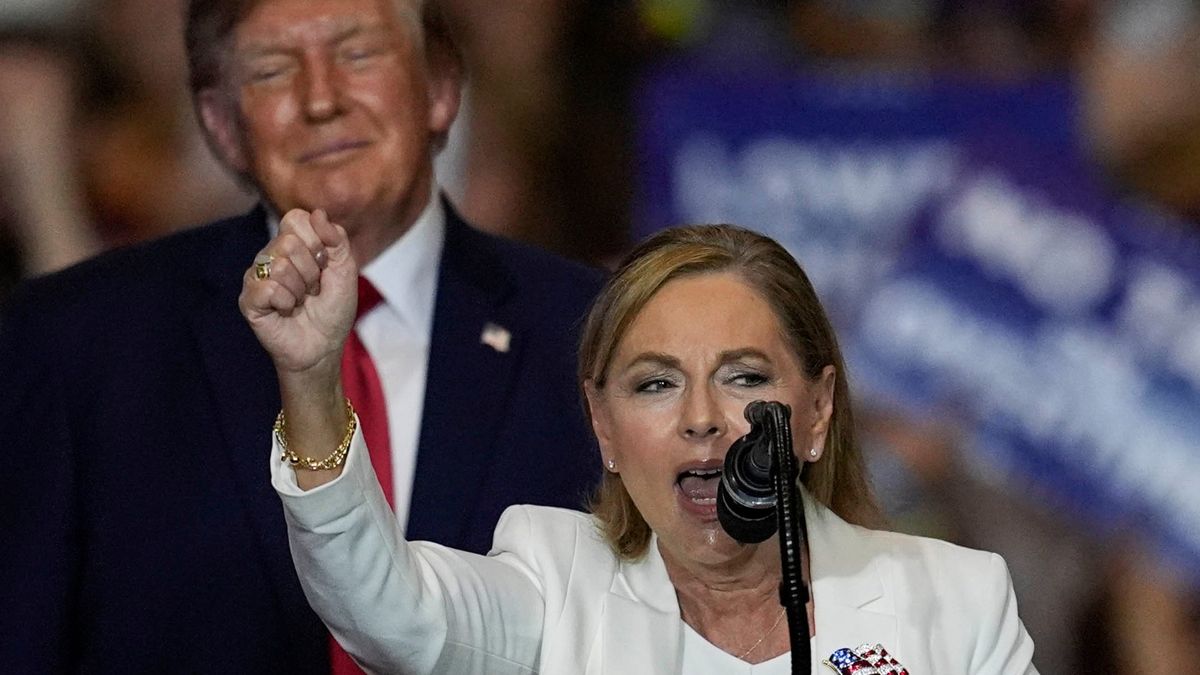
The death of longtime Senator Lindsey Graham in July 2026 set off a rapid chain of appointments and campaigns in South Carolina. Within days, his sister Darline Graham was installed as the interim senator, breaking precedent as the first sibling to fill a Senate vacancy. President Donald Trump immediately jumped on the opportunity, flooding social media with a "RUN, DARLINE, RUN!" rally and promising a full endorsement for her six‑year bid. The Republican primary saw former congressman Ralph Norman lose to Graham, but a growing contingent of grassroots conservatives, led by 28‑year‑old Avery Milton, launched a write‑in effort to place Norman on the ballot. While write‑ins rarely win, the movement has gained traction in the Upstate and among younger voters who feel the party establishment has sidelined authentic conservative voices.
The clash is less about two individual candidates than about competing power structures within the Republican establishment. Trump’s endorsement functions as a shortcut to national fundraising, media coverage, and a veneer of legitimacy that can overwhelm local organizing. By backing Darline Graham, the president reinforces a patronage network that rewards loyalty over experience, echoing a long‑standing Southern tradition of political dynasties. At the same time, the write‑in campaign taps into a parallel hierarchy: a decentralized, internet‑driven grassroots that prizes ideological purity and independence from party leadership. This group leverages social media, low‑cost website tools, and community meetings to bypass traditional campaign finance rules, highlighting a shift toward digital mobilization. The underlying incentive for many volunteers is not merely a personal preference for Norman but a broader desire to signal that the party cannot assume voter consent. The tension also reflects a strategic calculus: if the write‑in siphons enough votes from Graham, it could hand the seat to Democrat Annie Andrews, altering the Senate’s partisan balance and diminishing Trump’s leverage in Washington.
In the Upstate counties where Norman once served, longtime residents report feeling ignored by Graham’s campaign, which focused on high‑profile events with Trump rather than door‑to‑door outreach. Farmers and small‑business owners worry that a Senate seat dominated by national branding will prioritize symbolic victories over concrete policy solutions for agricultural subsidies, broadband expansion, and flood mitigation.
Millennials and Gen‑Z voters like Avery Milton entered the race after witnessing a stark reversal of Trump’s earlier anti‑war stance, notably the sudden escalation toward Iran. Their frustration translates into lower trust in elected officials, potentially depressing future civic participation if their concerns remain unaddressed.
Polls indicate that roughly 30 % of likely South Carolina voters identify as independents, a demographic that historically leans toward moderate candidates. If the Republican split persists, these voters may swing the election toward Annie Andrews, whose platform emphasizes healthcare access and education funding—issues that directly affect low‑income families across the state.
Official statements from the state GOP emphasize unity and the need to “defeat the Democrat,” yet internal communications reveal a calculated decision to keep Norman’s dissent marginal. Party leaders have quietly redirected resources to Graham’s media buys, while publicly downplaying the write‑in’s momentum to avoid exposing fractures that could embolden opposition.
National outlets have largely portrayed the race as a binary contest between Trump’s favorite and a Democratic challenger, glossing over the substantive policy disagreements driving the write‑in. This framing minimizes the narrative that many South Carolinians feel their local concerns are being overridden by a top‑down endorsement strategy.
The write‑in effort operates largely on small donations and volunteer labor, which exempts it from many reporting requirements. Meanwhile, Graham’s campaign benefits from a flood of Super PAC money linked to Trump‑aligned donors. The disparity in financial transparency obscures the true scale of influence each side wields.
The November 3 ballot will be the first test of whether a grassroots write‑in can meaningfully disrupt a Trump‑backed candidacy in a deep‑red state. Analysts should monitor early‑vote tallies in the Upstate, where Norman’s base resides, and compare them to turnout in the Lowcountry, a region more receptive to Graham’s national profile. A narrow loss for Graham could trigger a chain reaction: a Democratic pickup in the Senate, a blow to Trump’s perceived ability to deliver electoral victories, and a possible recalibration of how the party manages future appointments. Conversely, a decisive win for Graham would reinforce the effectiveness of presidential endorsements and signal that intra‑party dissent remains a peripheral force. In either scenario, the outcome will shape the balance of power in Washington and inform how grassroots movements strategize against entrenched political machines.
A write‑in allows voters to select a candidate not listed on the ballot, signaling dissatisfaction with the party’s official nominee. In this race it could split the Republican vote and give Democrat Annie Andrews a realistic chance to win.
Trump’s endorsement brings national fundraising, media attention, and a perception of legitimacy that can drown out local campaigning. It also ties the seat to his broader political agenda, making the race a proxy for his influence in the Senate.
Source referenced: ALJAZEERA
This brief was synthesized by our Editorial Engine and reviewed by The Ground Narrative team.