TRENDING

Monday, 2 November 2026
----------------------
22 Jumada Al-Awwal 1448 AH
Iliana Iotova became Bulgaria's first elected female president, reinforcing a pro‑Moscow line. The election reveals deeper power struggles that will affect ordinary Bulgarians and the wider region.
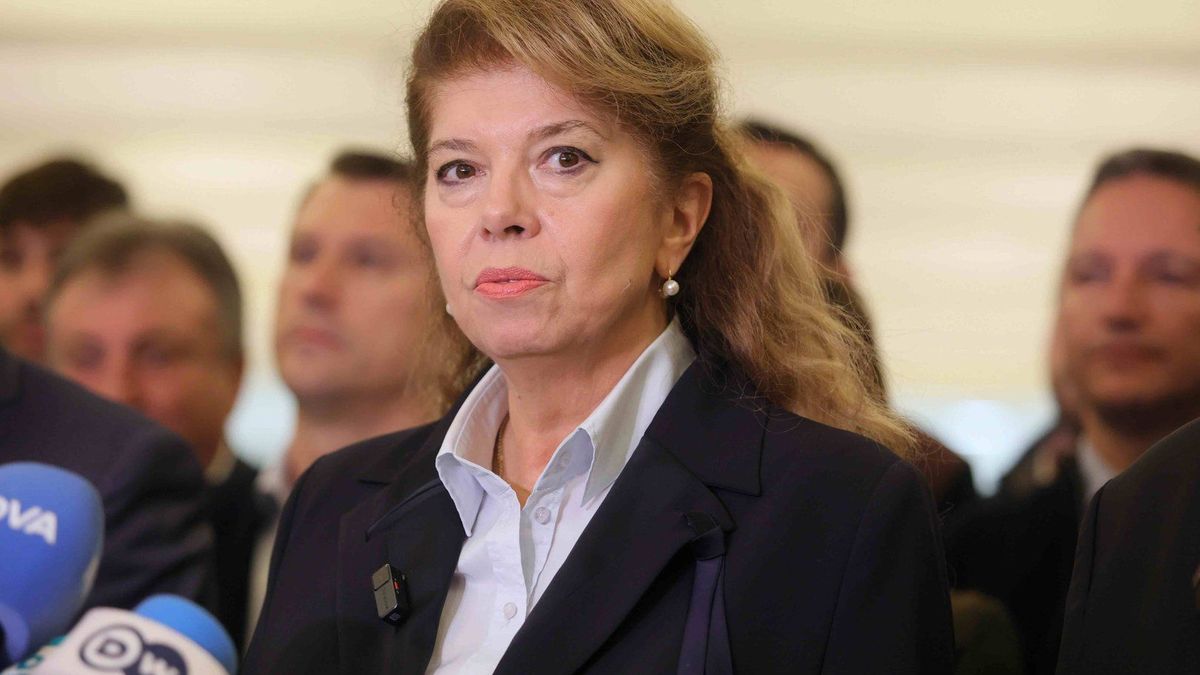
Iliana Iotova secured the presidency in Bulgaria’s runoff election, becoming the nation’s first elected female head of state. Her victory aligns with Prime Minister Rumen Radev’s platform, which emphasizes dialogue with Moscow and opposes further military aid to Ukraine. The result was announced on 2 November 2026 and immediately sparked debate over whether it signals a substantive policy shift or merely a symbolic milestone.
Iotova ran under the banner of the pro‑Radev coalition, a loose alliance of the Bulgarian Socialist Party, the Movement for Rights and Freedoms, and several smaller left‑leaning groups. The coalition’s success hinged on a shared skepticism toward NATO‑driven defense spending and a narrative that Western aid has failed to improve living standards. By uniting under a single candidate, the coalition amplified its bargaining power against the fragmented opposition, which struggled to present a cohesive alternative.
Prime Minister Rumen Radev, a former air force commander, has cultivated a persona of a nationalist‑populist who can balance EU expectations with domestic discontent. Backing Iotova allowed him to cement his influence over the executive branch without directly assuming the presidency himself. This arrangement lets Radev retain control over defence policy while delegating ceremonial duties to a figure who can rally the electorate around a gender‑based breakthrough.
Bulgaria sits on the EU’s southeastern flank, bordering Turkey and North Macedonia, and serves as a key conduit for energy pipelines from the Black Sea to Europe. A president who favours dialogue with Moscow can potentially ease sanctions‑related trade friction, benefitting domestic energy firms and agribusinesses that rely on Russian markets. At the same time, the EU’s Eastern Partnership agenda pressures Sofia to maintain a hard line on Kyiv, creating a diplomatic tug‑of‑war that the new president must navigate.
The coalition’s anti‑aid rhetoric resonates most strongly in Bulgaria’s depopulated countryside, where wages lag far behind the EU average and out‑migration remains high. For families in villages like Karnobat or Kardzhali, the promise of reduced foreign‑military spending translates into hopes for redirected social funds—though concrete budget reallocations are still uncertain.
Bulgaria hosts over 150,000 Ukrainian refugees who arrived after the 2022 invasion. Local municipalities have struggled to provide housing, healthcare, and schooling. A president inclined toward dialogue with Moscow may pressure the government to tighten asylum rules, placing additional strain on already stretched community resources.
Independent journalists and NGOs have documented rising self‑censorship since the 2023 media law revisions. Iotova’s election could embolden authorities to further curtail investigative reporting under the guise of national unity, limiting citizens’ ability to hold power brokers accountable.
While official Russian statements have been muted, intelligence reports indicate a modest flow of financial backing to pro‑Moscow parties in Sofia, funneled through business fronts in the energy sector. This support helped fund the coalition’s outreach in swing provinces, yet it remains largely absent from public discourse, allowing the narrative to focus on gender progress rather than foreign influence.
Brussels publicly praised Iotova’s historic win, emphasizing democratic legitimacy. Behind the scenes, EU diplomats are negotiating a delicate compromise: offering conditional development funds to Bulgaria while warning against any policy that could undermine collective security in the Black Sea region. These negotiations are rarely disclosed, leaving citizens unaware of the leverage the EU wields over Sofia’s budget.
Bulgarian state‑owned energy firms stand to gain from a softer stance toward Russian gas, especially as the EU seeks to diversify away from Russian supplies. By downplaying the environmental and geopolitical risks of renewed gas imports, corporate lobbyists shape the policy conversation, framing it as a pragmatic solution for “energy security” without addressing long‑term climate commitments.
- Parliamentary debates on Ukraine aid – The next session of the National Assembly will test whether Iotova can sway the legislature to curb military assistance, a move that could trigger sanctions from the EU.
- Energy contract negotiations – Watch for any new agreements between Bulgarian gas operators and Russian entities; such deals will reveal the extent of the president’s willingness to prioritize economic ties over alliance obligations.
- Civil society protests – Demonstrations in Sofia and Plovdiv over media freedom and refugee rights will indicate how quickly public dissent coalesces around perceived back‑room deals.
- EU conditionality mechanisms – The rollout of pre‑conditioned cohesion funds will expose whether Brussels can leverage financial aid to steer Bulgaria back toward a more pro‑NATO stance.
- Election of local mayors – Upcoming municipal elections will serve as a barometer for the coalition’s grassroots support, especially in regions most affected by energy pricing and refugee influxes.
By tracking these developments, readers can gauge whether Iotova’s presidency will remain a symbolic first for women or evolve into a conduit for deeper Moscow‑Sofia alignment, with tangible consequences for everyday Bulgarians and the broader European security architecture.
Her win strengthens Prime Minister Radev's pro‑Moscow stance, likely leading to a softer approach toward Russia and a reassessment of military aid to Ukraine, while still navigating EU expectations.
Iotova's alignment with anti‑aid rhetoric could pressure the parliament to limit or condition further military support for Kyiv, potentially triggering EU sanctions or funding cuts if the stance diverges from alliance commitments.
Editor's Note: Analysis based on publicly available election data and regional security assessments.
Source referenced: ALJAZEERA
This brief was synthesized by our Editorial Engine and reviewed by The Ground Narrative team.