TRENDING

Thursday, 15 October 2026
----------------------
4 Jumada Al-Awwal 1448 AH
New data shows US inflation accelerating, fueled by global geopolitical conflicts and a booming tech sector. This surge in prices directly impacts everyday Americans and puts pressure on the Federal Reserve.
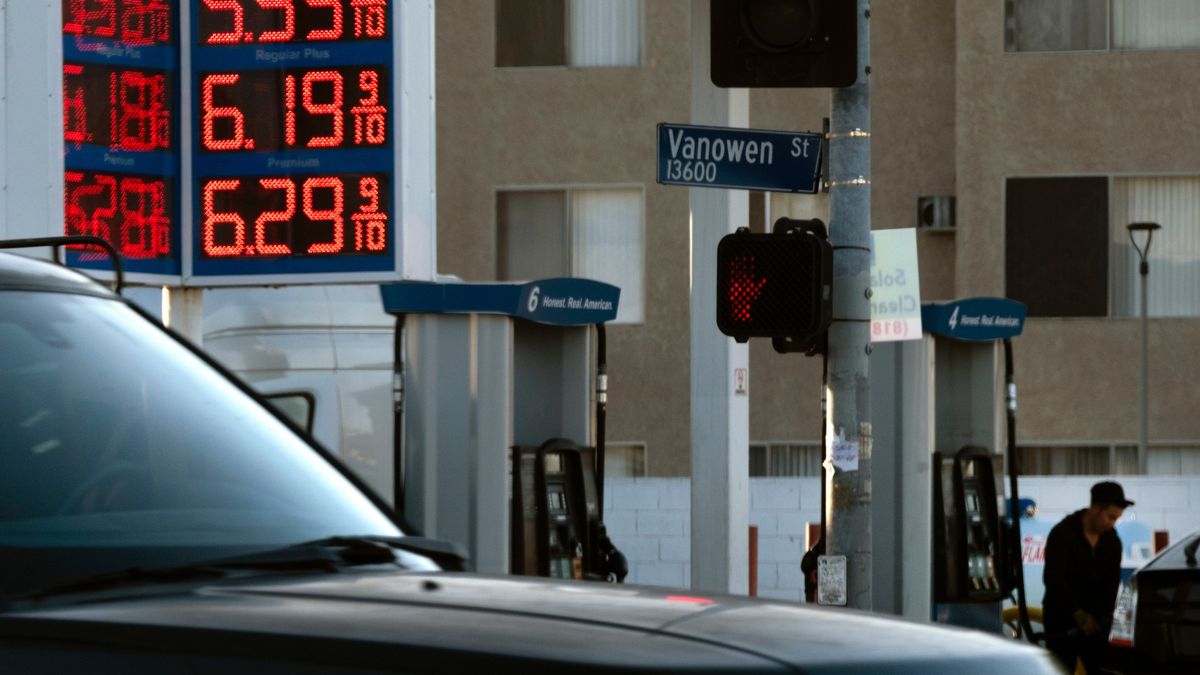
United States consumer prices saw a significant jump in September, with annual inflation accelerating to 3.7 percent, up from 3.4 percent in August. Monthly prices rose by 0.6 percent, according to the Labor Department’s Bureau of Labor Statistics (BLS). This increase, released just weeks before the critical midterm elections, was largely driven by a 9.1 percent surge in petrol prices, accounting for over half of the monthly increase, alongside rising shelter costs and a notable 28 percent increase in computer software and accessories, linked to heavy investment in AI infrastructure. The data puts immediate pressure on the Federal Reserve regarding its upcoming interest rate decision and highlights the economic anxieties facing American voters.
The current inflation surge is not merely an economic blip; it is a direct consequence of intersecting global power dynamics, domestic policy choices, and the concentrated influence of major industries. Understanding these mechanics reveals how decisions made in distant capitals or corporate boardrooms translate directly into the cost of living for ordinary citizens.
The Federal Reserve operates under a dual mandate: achieving maximum employment and maintaining price stability. When inflation rises, the Fed's primary tool is to increase interest rates, making borrowing more expensive to cool down economic activity. However, this comes with a significant trade-off: higher rates can slow job growth, increase the cost of mortgages and consumer loans, and potentially tip the economy into a recession. The current situation places the Fed in a precarious position, caught between the imperative to tame inflation and the political and economic risks of over-tightening. Their decisions are not purely economic; they are deeply political, influencing everything from stock markets to election outcomes, yet they operate with a carefully guarded independence that often shields them from direct accountability to the public for the immediate pain their policies inflict.
The most prominent driver of recent inflation is the cost of energy, specifically petrol. The report explicitly links this to tensions between the US and Iran, as well as the ongoing Russia-Ukraine war. These are not isolated regional conflicts; they are manifestations of global power struggles involving major energy producers and consumers. The United States, as a global superpower, is deeply entangled in the security architecture of the Middle East, and its posture towards Iran directly impacts oil flows and market sentiment. Similarly, the Russia-Ukraine war has reshaped global energy markets, with Russia, a major oil and gas exporter, facing sanctions and rerouting supplies. These geopolitical maneuvers, driven by national interests, security doctrines, and the pursuit of influence, create volatility that is immediately passed down to consumers at the pump. The average American filling their tank is, in essence, subsidizing the costs of these distant power plays, often without a clear understanding of the connection.
Beyond traditional inflation drivers, the report points to a 28 percent jump in computer software and accessory prices, directly attributing this to the
Source referenced: ALJAZEERA
This brief was synthesized by our Editorial Engine and reviewed by The Ground Narrative team.