TRENDING

Wednesday, 14 October 2026
----------------------
3 Jumada Al-Awwal 1448 AH
As Israelis prepare to vote, millions of Palestinians in the occupied West Bank find themselves excluded from a democratic process that profoundly shapes their daily lives. They face movement restrictions, expanding settlements, and the constant threat of displacement without any say in their future.
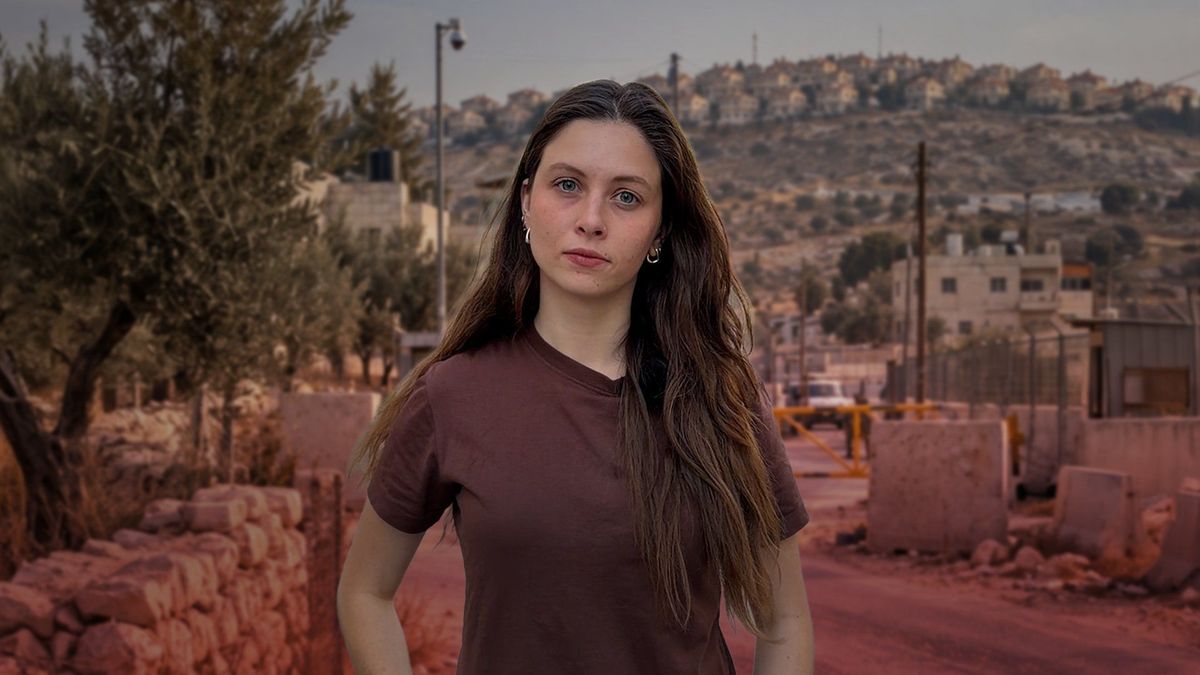
As Israelis across the country prepare to cast their ballots in a national election, millions of Palestinians residing in the occupied West Bank find themselves on the sidelines, observing a democratic process in which they have no voice. Despite living under a reality profoundly shaped by the outcomes of these elections—from the expansion of Israeli settlements to daily movement restrictions and the threat of forced displacement—Palestinians are denied participation. Their exclusion from the electoral system of the power that governs their lives has led to widespread disillusionment, with many describing Israel's democracy, in their context, as a profound paradox and a source of deep frustration.
The fundamental power dynamic at play is the enduring Israeli military occupation of the West Bank, in place since the 1967 Six-Day War. This occupation grants Israel effective control over the territory and its Palestinian population, even as it maintains a democratic system for its own citizens. The paradox lies in the fact that while Israel defines itself as a vibrant democracy, it simultaneously governs millions of people who are not citizens and have no political representation within its system.
Israeli elections are driven by the concerns and priorities of its electorate. For many Israeli voters, issues of security, economic stability, and the future of settlements in the West Bank are paramount. Political parties, therefore, campaign on platforms that reflect these interests, often advocating for policies that further entrench the occupation or expand Israeli presence in the territories. This creates a feedback loop where the political will of Israeli citizens directly impacts the lives of Palestinians who have no means to influence that will through democratic channels.
Under international law, the West Bank is considered occupied territory, and the Fourth Geneva Convention prohibits an occupying power from transferring its own population into occupied land. However, Israel disputes the term
Source referenced: ALJAZEERA
This brief was synthesized by our Editorial Engine and reviewed by The Ground Narrative team.


