TRENDING

Thursday, 15 October 2026
----------------------
4 Jumada Al-Awwal 1448 AH
Chinese President Xi Jinping welcomed Botswana's President Duma Gideon Boko for a state visit, signaling deepened ties. This visit underscores Beijing's ongoing strategic engagement with resource-rich African nations, raising questions about economic sovereignty and local development.
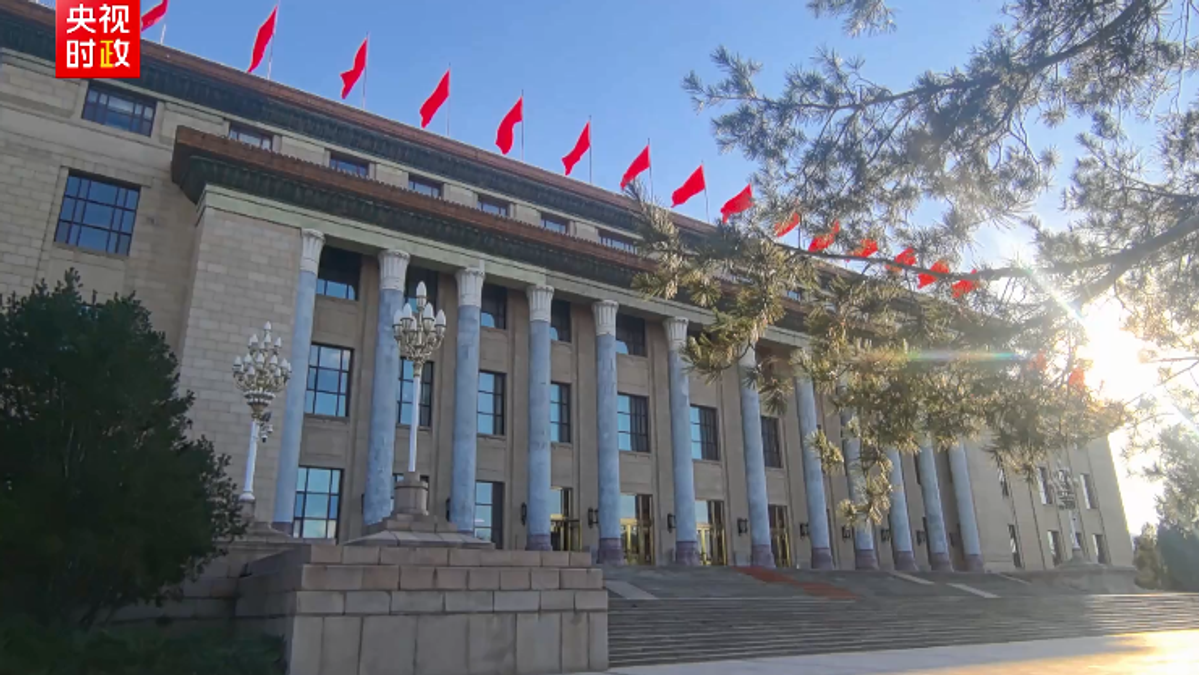
On October 13, 2026, Chinese President Xi Jinping hosted Botswana's President Duma Gideon Boko for a state visit in Beijing. The formal welcome ceremony underscored the significance China places on its diplomatic and economic ties with the Southern African nation. This high-level engagement marks a continuation of Beijing's proactive strategy to deepen relationships across the African continent, particularly with countries rich in strategic minerals and possessing stable governance structures like Botswana.
This state visit is not merely a diplomatic courtesy; it is a carefully orchestrated move within a larger global power play. For China, the engagement with Botswana serves multiple strategic objectives. Firstly, it secures access to critical resources. Botswana is globally renowned for its vast diamond reserves, but also possesses significant copper, nickel, and coal deposits. As China's industrial engine continues to demand raw materials, securing stable supply chains from diverse sources becomes paramount. This reduces reliance on traditional suppliers and strengthens Beijing's economic resilience against global disruptions or geopolitical pressures.
Secondly, the visit extends China's diplomatic influence within Africa. By cultivating strong bilateral ties with influential and stable democracies like Botswana, Beijing enhances its standing within the African Union and other multilateral forums. This translates into greater support for China's positions on international issues, from trade policies to human rights debates, effectively bolstering its global power projection. The
Botswana's president is visiting China to strengthen bilateral ties, secure investment for infrastructure and economic diversification, and access China's vast markets for its resources. For China, the visit deepens its influence in a stable, resource-rich African nation.
China gains access to Botswana's significant mineral resources, including diamonds, and expands its economic and diplomatic footprint in Southern Africa. This aligns with Beijing's broader strategy to secure resources and build international alliances.
Potential risks for Botswana include accumulating unsustainable debt, environmental concerns from large-scale resource extraction, and an over-reliance on a single foreign power. There are also concerns about the impact on local labor markets and the transparency of investment agreements.
Editor's Note: The analysis relies on general knowledge of China-Africa relations and Botswana's economic context, as specific details of the visit were not provided in the raw intelligence.
Source referenced: CGTN
This brief was synthesized by our Editorial Engine and reviewed by The Ground Narrative team.