TRENDING

Thursday, 15 October 2026
----------------------
4 Jumada Al-Awwal 1448 AH
A bipartisan Senate agreement on permitting reform promises faster energy projects, but it also stirs fierce debate. This analysis breaks down who gains, who pays, and what the hidden angles reveal.
The Senate Energy and Natural Resources Committee and the Environment and Public Works Committee reached a bipartisan deal on a sweeping permitting reform bill introduced on September 30. The legislation shortens legal review windows, tightens environmental review deadlines, and limits future administrations from revoking permits for interstate transmission lines and major energy projects. While the bill is framed as a catalyst for clean‑energy expansion, it also eases the path for new fossil‑fuel infrastructure.
Senate leaders see the bill as a way to deliver on three intertwined goals: energy security, affordable power, and climate progress. By guaranteeing investors a more predictable regulatory environment, the legislation aims to attract private capital for transmission upgrades, offshore wind farms, and data‑center connections. The Permitting Reform also curtails the ability of state courts and NGOs to stall projects through lawsuits, a tool that has become a de‑facto veto in recent years.
Lawmakers from swing states, where electricity bills have surged, can point to a concrete legislative win that promises lower household costs. This helps them deflect criticism from constituents who blame Washington for high fuel prices after the recent diesel spikes and the lingering effects of the Russia‑Ukraine conflict on global oil markets.
The bill’s proponents argue that faster project approvals will unlock billions in private investment, creating jobs in construction, engineering, and manufacturing. At the same time, the reduced litigation risk lowers the cost of capital, which can translate into cheaper electricity rates for consumers. Critics warn that the same streamlined process could approve additional coal or gas plants, extending reliance on carbon‑intensive fuels.
The United States faces pressure from allies in Europe to stabilize global energy markets after the recent supply shocks. By expanding domestic transmission capacity, the US can export more renewable electricity to neighboring Canada and the Caribbean, reinforcing its role as a clean‑energy exporter while keeping domestic markets insulated from foreign volatility.
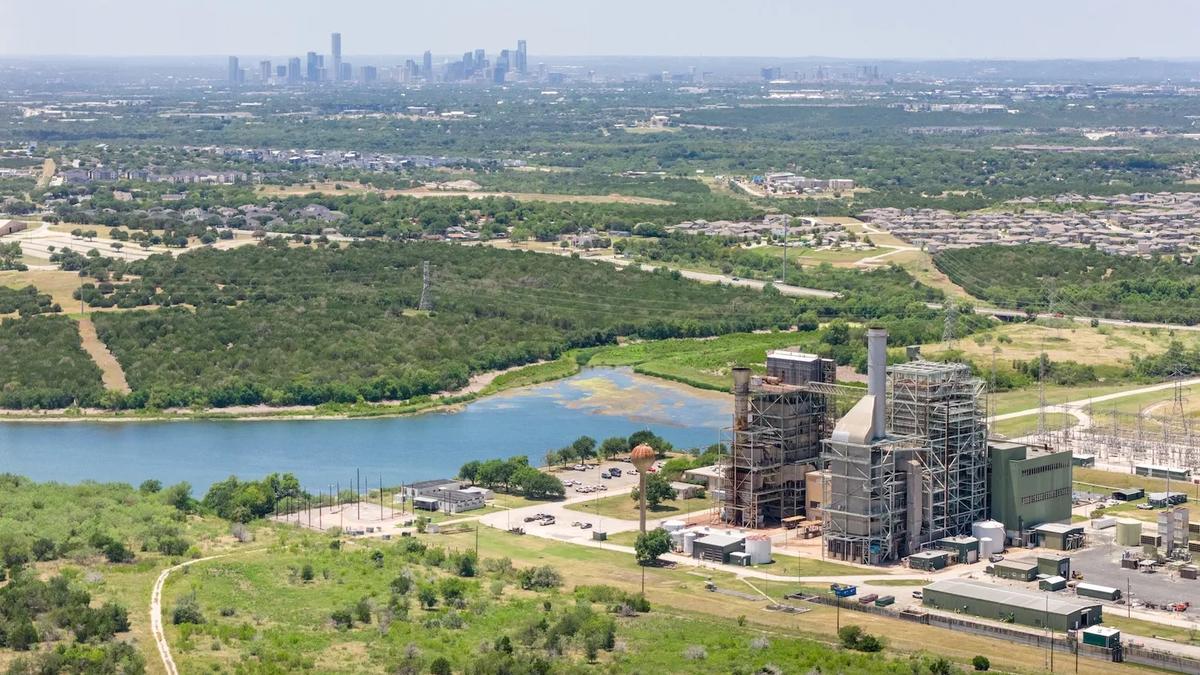
Communities living near proposed pipelines, transmission corridors, and new power plants stand to bear the brunt of accelerated construction. In Texas, residents near the Decker Creek Power Station have already voiced concerns about air quality and water usage. In the Northeast, towns along the planned New York‑New England gas pipeline fear increased exposure to methane leaks and noise pollution.
Easier permitting means fewer delays for land acquisition, often resulting in eminent‑domain actions that strip farmers of productive acreage. The loss of farmland not only reduces local food security but also erodes cultural ties to the land that have persisted for generations.
While the bill promises lower electricity bills, the transition period may see short‑term rate spikes as utilities recoup the costs of new infrastructure. Low‑income families, already stretched by rising diesel and gasoline prices, could face a double burden before any savings materialize.
Many proposed transmission routes cut through tribal territories, raising concerns about sovereignty, sacred sites, and water rights. The accelerated timeline limits the ability of tribal governments to conduct thorough environmental reviews or negotiate benefit agreements.
Official statements highlight the bill’s climate upside, yet they downplay the scale of new fossil‑fuel approvals that the same streamlined process enables. The Clean Water Act and National Environmental Policy Act have historically served as safeguards against projects that would exacerbate pollution; weakening them shifts the risk onto communities rather than corporations.
By cementing federal authority to approve projects, the legislation reduces the leverage that local activists and NGOs have traditionally wielded. This shift favors large energy conglomerates and data‑center operators, who can now lock in permits before opposition can mobilize.
The analysis notes that U.S. production cuts abroad could be offset by domestic expansion, but it glosses over the fact that global oil demand remains robust. Allowing additional U.S. fossil‑fuel output may simply keep global prices high, undermining the broader goal of decarbonization.
The bill assumes that faster infrastructure rollout will automatically lead to lower emissions, yet without parallel policies—such as stricter vehicle fuel standards or carbon pricing—additional capacity could be filled by existing coal and gas plants, delaying the shift to renewables.
Watch for the Senate’s final vote and any amendments that might re‑introduce stronger environmental safeguards. State regulators will soon begin reviewing individual project applications; their decisions will reveal whether the federal reforms truly accelerate clean‑energy builds or open the door for more fossil‑fuel projects. Keep an eye on litigation trends: if environmental groups pivot to new legal strategies, the courts could become the next battleground. Finally, monitor utility rate filings in the next two years; they will indicate whether the promised consumer savings materialize or if costs are passed on to the most vulnerable households.
It shortens legal review periods, tightens environmental deadlines, and limits future administrations from revoking permits, giving investors more certainty.
While it aims to lower electricity rates long‑term, short‑term cost recovery could raise bills for low‑income families before any savings are realized.
The streamlined process makes it easier to approve new fossil‑fuel projects, so without additional climate safeguards, domestic production could rise.
Source referenced: FOREIGNPOLICY
This brief was synthesized by our Editorial Engine and reviewed by The Ground Narrative team.