TRENDING

Thursday, 15 October 2026
----------------------
4 Jumada Al-Awwal 1448 AH
An ex‑OpenAI engineer booked a one‑way trip to Riyadh after a hidden bug was found at the company’s headquarters. The incident throws light on the tangled web of AI competition, corporate security, and immigrant vulnerability.
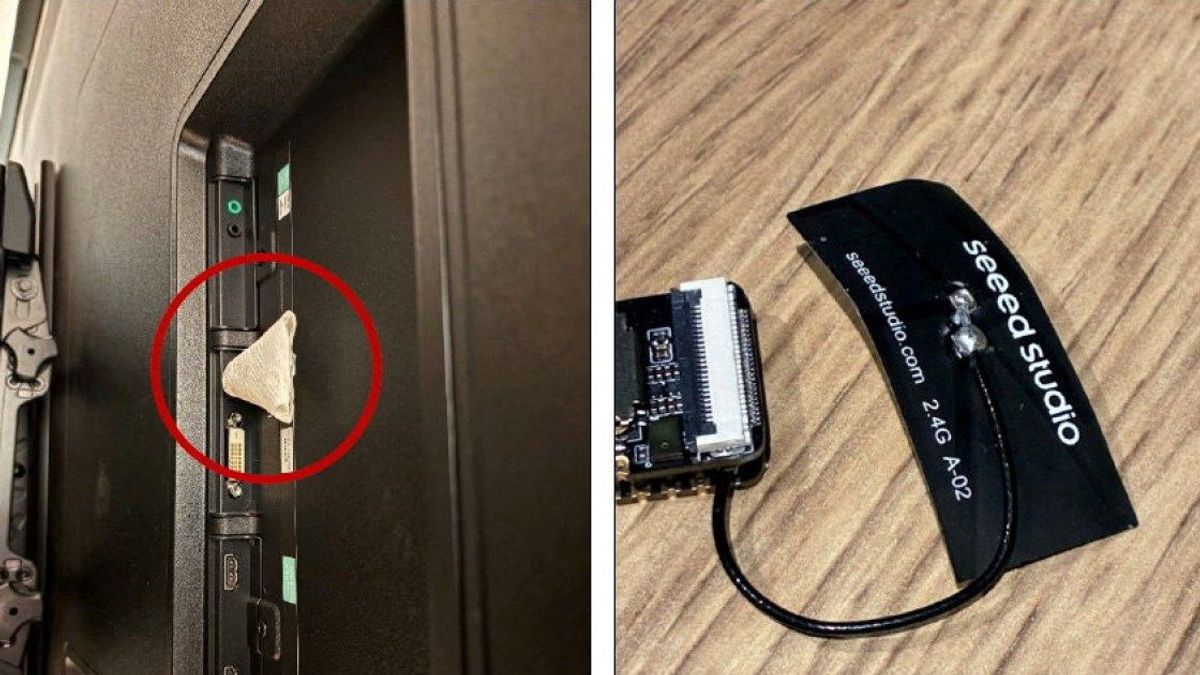
The U.S. Department of Justice disclosed that Abdulrahman Alfozan, a former OpenAI engineer, was arrested in early October after a listening device was discovered in a conference room at the company’s San Francisco campus. Court filings revealed that Alfozan had booked a one‑way flight to Saudi Arabia for himself, his wife, and a family member just days before his detention. Prosecutors allege he attempted to intercept oral communications, a charge that carries up to five years in prison and a $250,000 fine. Alfozan, who previously worked at Meta and interned at Microsoft, also serves as a venture partner at Riyadh‑based Raed Ventures, a firm with direct ties to the Saudi royal family.
The discovery of a bug inside a leading AI lab underscores how OpenAI sits at the epicenter of a global scramble for machine‑learning supremacy. Companies in the United States, China, and Europe pour billions into research, hoping to lock in the next generation of products, patents, and data monopolies. For a firm that supplies the backbone of chat‑bots, image generators, and developer tools, any breach threatens not only intellectual property but also the trust of investors and customers.
Saudi Arabia has signaled an ambition to become a regional hub for AI, launching multi‑billion‑dollar funds and courting foreign talent. By placing a venture partner with deep technical experience inside a U.S. AI powerhouse, the kingdom can gain informal insights into research directions, talent pipelines, and emerging standards. The alleged bug‑planting, if proven, would be a low‑cost method of gathering such intelligence compared with large‑scale cyber‑operations.
Alfozan’s status as a Saudi national adds a layer of diplomatic sensitivity. The United States has historically used immigration controls as leverage in trade and security negotiations. By framing the case as a clear breach of U.S. law, prosecutors can signal a willingness to pursue foreign‑linked actors, while also sending a warning to other expatriate engineers who might be courted by rival states.
Raed Ventures is not a typical Silicon Valley fund; its board includes Prince Khalid bin Bandar bin Sultan bin Abdulaziz Al Saud, linking capital directly to the Saudi monarchy. This structure creates a feedback loop: successful AI exits can fund further state‑backed projects, while any perceived leakage of technology to the West can be framed as a national security loss for the kingdom.
Alfozan faces a possible five‑year prison term, a hefty fine, and the stigma of being labeled a spy. His family, already on a one‑way journey to Saudi Arabia, now confronts legal uncertainty, potential separation, and the emotional toll of a high‑profile criminal case. The narrative in media outlets often reduces them to “foreign nationals,” obscuring the personal stakes involved.
The incident amplifies anxiety among immigrant engineers at U.S. tech firms. Many hail from countries that are strategic competitors, and the fear of being surveilled or accused can affect recruitment, retention, and mental health. Companies may tighten internal monitoring, inadvertently creating a climate of suspicion that harms workplace cohesion.
If firms begin to screen candidates more aggressively based on nationality, skilled workers from the Middle East, South Asia, and Africa could find fewer opportunities in the U.S. tech sector. This would reinforce a brain drain toward nations willing to offer less restrictive environments, potentially shifting the balance of AI talent globally.
Government statements focus on the criminal act and national security, but rarely address how OpenAI’s own security protocols may have been insufficient. The company’s rapid growth and open‑office culture can make it vulnerable to insider threats, yet public discourse sidesteps this internal responsibility.
Press releases from Raed Ventures highlight Alfozan’s “seasoned professional” background while glossing over the strategic implications of a Saudi‑backed fund having a foothold inside a U.S. AI leader. The partnership suggests a deliberate state‑aligned pipeline for technology transfer that remains largely invisible to the public.
Coverage often emphasizes Alfozan’s Saudi citizenship, subtly linking the case to broader narratives about Middle Eastern espionage. This framing can reinforce stereotypes and distract from the fact that similar incidents have involved engineers of varied nationalities, including Chinese and Russian backgrounds.
- Legal outcomes: The court’s decision on bail, pre‑trial detention, and eventual sentencing will set a precedent for how the U.S. handles alleged insider espionage in the tech sector.
- Policy shifts at AI firms: Expect tighter access controls, increased background checks, and possibly the introduction of government‑mandated security audits for companies handling advanced models.
- Saudi AI investment moves: Watch for new venture funds or joint‑lab announcements that could signal a more aggressive push to acquire AI know‑how abroad.
- Immigration policy debates: Lawmakers may cite this case when arguing for stricter visa vetting for high‑tech workers, influencing the future composition of the U.S. talent pool.
- Public discourse on corporate responsibility: Advocacy groups may demand greater transparency from firms about insider‑threat mitigation, potentially reshaping industry standards.
By tracking these threads, readers can gauge how a single arrest may ripple through the intertwined worlds of technology, national security, and immigrant labor.
Alfozan is charged with using or attempting to use a device to intercept oral communications, a federal offense that carries up to five years in prison and a $250,000 fine.
Lawmakers could cite the case to push for stricter visa vetting and background checks for high‑skill immigrants, potentially limiting the pool of foreign talent available to U.S. tech firms.
Editor's Note: Analysis based on publicly available court filings and industry reports; details of the alleged bug remain under investigation.
Source referenced: ALJAZEERA
This brief was synthesized by our Editorial Engine and reviewed by The Ground Narrative team.