TRENDING

Friday, 16 October 2026
----------------------
5 Jumada Al-Awwal 1448 AH
The Palestinian delegation to the United Nations has withdrawn its bid for a top U.N. job after the U.S. threatened to revoke their visas, marking a significant shift in the complex dynamics of the Israeli-Palestinian conflict.
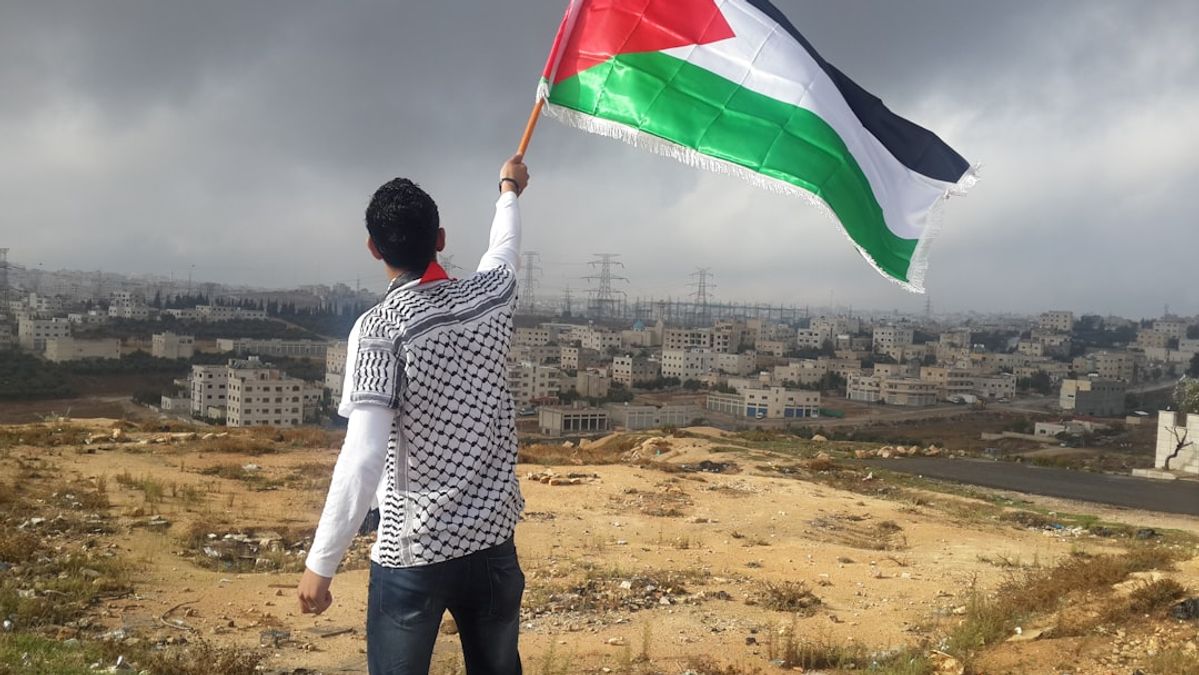
The Palestinian bid for a senior U.N. role, specifically the vice president position at the U.N. General Assembly, has been a contentious issue in the Israeli-Palestinian conflict. The bid, led by Palestinian Ambassador Riyad Mansour, aimed to secure a prominent position within the U.N. framework. However, the U.S. has long been opposed to Palestinian attempts to gain full membership at the U.N. and international bodies, arguing that such moves undermine peace efforts with Israel.
The U.S. State Department issued a cable instructing the U.S. Embassy in Jerusalem to pressure Palestinian officials to drop the leadership bid or face the potential revocation of their U.N. delegation's U.S. visas. The cable, marked sensitive but unclassified, highlighted Ambassador Mansour's history of accusing Israel of genocide and the potential damage to U.S. relations with the Palestinian Authority (PA). The U.S. has a long history of opposing Palestinian attempts to gain full membership at the U.N. and international bodies, dating back to the 1970s.
The withdrawal of the Palestinian bid for a senior U.N. role has significant implications for the Israeli-Palestinian conflict. The move marks a significant shift in the complex dynamics of the conflict, with the U.S. exerting pressure on the Palestinian delegation to drop the bid. The U.S. has long been a key player in the Israeli-Palestinian peace process, and its actions have significant implications for the region. The withdrawal of the Palestinian bid may be seen as a victory for the U.S. and Israel, but it also raises questions about the future of Palestinian representation at the U.N.
The U.S. motivation for exerting pressure on the Palestinian delegation is multifaceted. The U.S. has long been opposed to Palestinian attempts to gain full membership at the U.N. and international bodies, arguing that such moves undermine peace efforts with Israel. The U.S. has also been critical of Palestinian leaders, including President Abbas, for their handling of the conflict. The withdrawal of the Palestinian bid for a senior U.N. role may be seen as a way for the U.S. to exert its influence over the Palestinian delegation and shape the future of the conflict.
The withdrawal of the Palestinian bid for a senior U.N. role marks a significant shift in the complex dynamics of the Israeli-Palestinian conflict. The move highlights the significant influence of the U.S. in the region and the complex relationships between the U.S., Israel, and the Palestinian Authority. As the conflict continues to unfold, it is essential to understand the strategic motivations and historical context behind the U.S. actions and their implications for the region.
Editor's Note: The analysis is based on publicly available information and may not reflect the full complexity of the situation.
Source referenced: NPR
This brief was synthesized by our Editorial Engine and reviewed by The Ground Narrative team.