TRENDING

Thursday, 15 October 2026
----------------------
4 Jumada Al-Awwal 1448 AH
An upcoming Israeli election is forcing African governments to re-evaluate their complex relationships with Tel Aviv, balancing public sentiment, security needs, and economic interests. The continent remains deeply divided, reflecting a broader struggle over principles versus pragmatism.
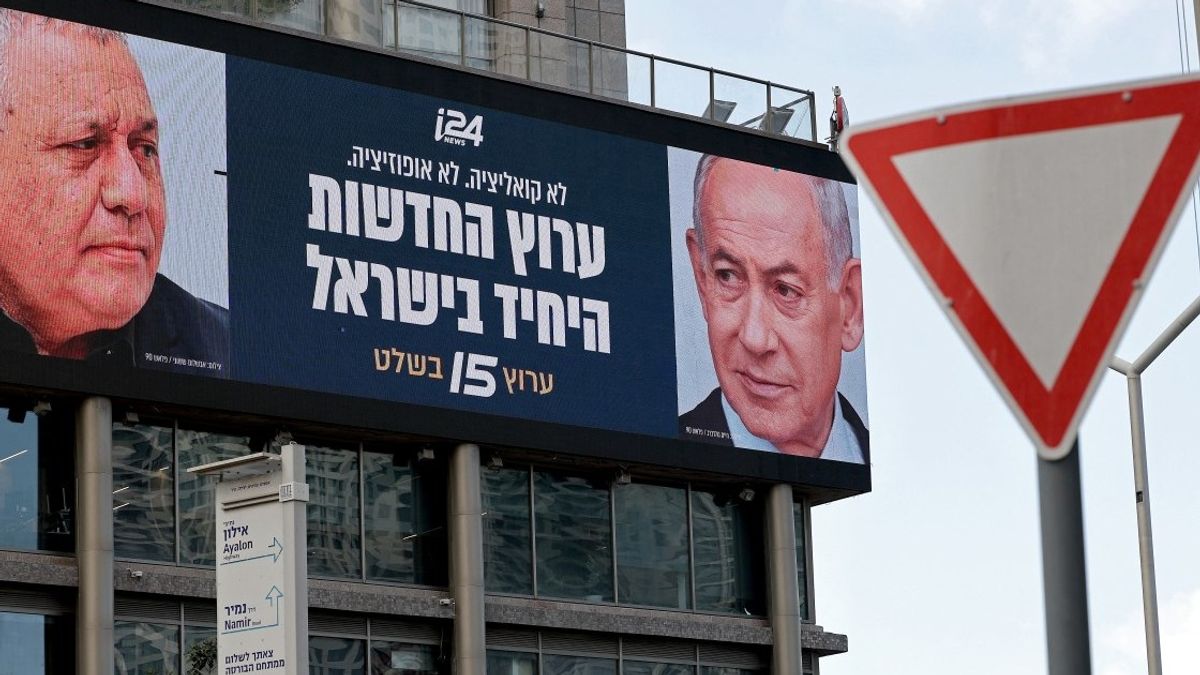
As Israel prepares for its October 27 election, governments across Africa are closely monitoring the outcome, anticipating how a new Israeli administration's policies, particularly concerning Gaza and the Palestinian question, will reshape their own foreign and domestic agendas. The ongoing conflict in Gaza has intensified existing divisions within the African continent, pushing some nations towards diplomatic condemnation and legal action against Israel, while others quietly deepen their commercial and security partnerships. The election results, expected to lead to a period of complex coalition negotiations, will determine Israel's approach to preserving and expanding its influence across a continent grappling with its own internal and external pressures.
The intricate web of Africa-Israel relations is a stark illustration of how power operates through a blend of strategic necessity, economic incentives, and ideological alignment. For Israel, the African continent represents a crucial arena for diplomatic outreach, economic expansion, and security cooperation, especially as it navigates international isolation stemming from its policies in the Palestinian territories. Securing new allies and markets in Africa helps Israel diversify its diplomatic portfolio, counter critical voices in international forums like the United Nations, and access valuable resources.
African nations, however, are not a monolithic bloc. Their engagement with Israel is driven by a diverse set of national interests. Countries like Morocco have leveraged US-backed normalisation deals, trading diplomatic recognition of Israel for Washington's endorsement of their sovereignty over Western Sahara. This exchange highlights a transactional approach where geopolitical gains are prioritized over broader solidarity, driven by the desire to resolve long-standing territorial disputes and secure powerful international backing. The recent trilateral summit involving Moroccan, Israeli, and US officials, affirming plans to upgrade diplomatic missions and expand economic ties, underscores this pragmatic calculus.
Conversely, nations like South Africa have taken a principled stand, initiating a genocide case against Israel at the International Court of Justice (ICJ) and advocating for the suspension of diplomatic ties. This stance is rooted in a historical alignment with liberation movements and a strong domestic public sentiment against perceived injustices, reflecting a commitment to international law and human rights principles. The African Union (AU) itself is deeply divided, having suspended Israel's observer status amidst objections from member states, showcasing the struggle to forge a unified continental foreign policy when individual national interests diverge so sharply.
Security cooperation forms another critical pillar of these relationships. Some African governments facing internal insurgencies or regional instability, such as the Democratic Republic of Congo (DRC), seek Israeli expertise in defense, surveillance technology, and training. For these nations, immediate security challenges often outweigh diplomatic controversies, creating powerful incentives to maintain ties. The visit of DRC President Felix Tshisekedi to Israel, discussing cooperation across security, agriculture, and technology, exemplifies this pragmatic pursuit of capabilities. However, this reliance on external security partners can also entrench existing power structures and, in some cases, lead to the deployment of surveillance technologies that raise concerns about human rights and civil liberties.
Economic opportunities, particularly in agritech, water management, and infrastructure development, also serve as powerful magnets. Zambia's decision to host a resident Israeli embassy after a 52-year absence, focusing on cooperation in these sectors, illustrates how the promise of investment and technical expertise can smooth over diplomatic friction. These commercial ties offer tangible benefits to African economies, but they also create dependencies that can limit a nation's diplomatic flexibility on sensitive issues.
The complex diplomatic dance between African nations and Israel carries profound human costs, often borne by populations far removed from the negotiating tables. At the forefront are the Palestinians, whose struggle for self-determination and statehood remains a central, yet frequently sidelined, issue in these discussions. While many African publics and some governments express solidarity with the Palestinian cause, the pursuit of security deals, economic benefits, or US diplomatic leverage often means that the immediate suffering and long-term aspirations of Palestinians are relegated to a secondary concern.
For African populations living under the threat of armed groups or internal instability, the promise of security cooperation with Israel can be a double-edged sword. While Israeli technology and training might offer immediate tactical advantages, the influx of advanced surveillance equipment can also empower regimes, potentially leading to increased monitoring of citizens, suppression of dissent, and erosion of privacy. The line between legitimate security needs and the potential for human rights abuses becomes dangerously blurred, with ordinary citizens often paying the price for opaque security agreements.
The case of Western Sahara, directly linked to Morocco's normalisation deal with Israel, highlights the human cost of diplomatic expediency. The Sahrawi people, who have lived for decades under Moroccan occupation and in refugee camps, see their hopes for self-determination further complicated by international recognition deals that prioritize geopolitical gains over their fundamental rights. Similarly, Israel's recognition of Somaliland as an independent state, a move rejected by Somalia and most of the international community, has inflamed tensions and sparked widespread demonstrations. This decision risks destabilizing an already fragile region, potentially leading to renewed conflict and displacement for communities caught in the crossfire of competing claims of sovereignty.
Across the continent, public opinion often diverges sharply from government policy. The widespread demonstrations against Israel's actions in Gaza and its recognition of Somaliland underscore a deep-seated popular solidarity with the Palestinian cause and a commitment to principles of territorial integrity. When governments pursue ties with Israel despite strong public opposition, citizens bear the cost of feeling unheard and unrepresented. In some instances, expressing dissent can lead to confrontations with authorities, further restricting civic space and the right to peaceful protest. The
Source referenced: ALJAZEERA
This brief was synthesized by our Editorial Engine and reviewed by The Ground Narrative team.