TRENDING

Thursday, 15 October 2026
----------------------
4 Jumada Al-Awwal 1448 AH
Global timekeepers are meeting to decide whether to scrap the 'leap second,' a move that would decouple our digital clocks from the Earth's natural rotation. This decision, driven by the demands of technology and financial markets, marks a quiet but profound shift in how humanity measures time.
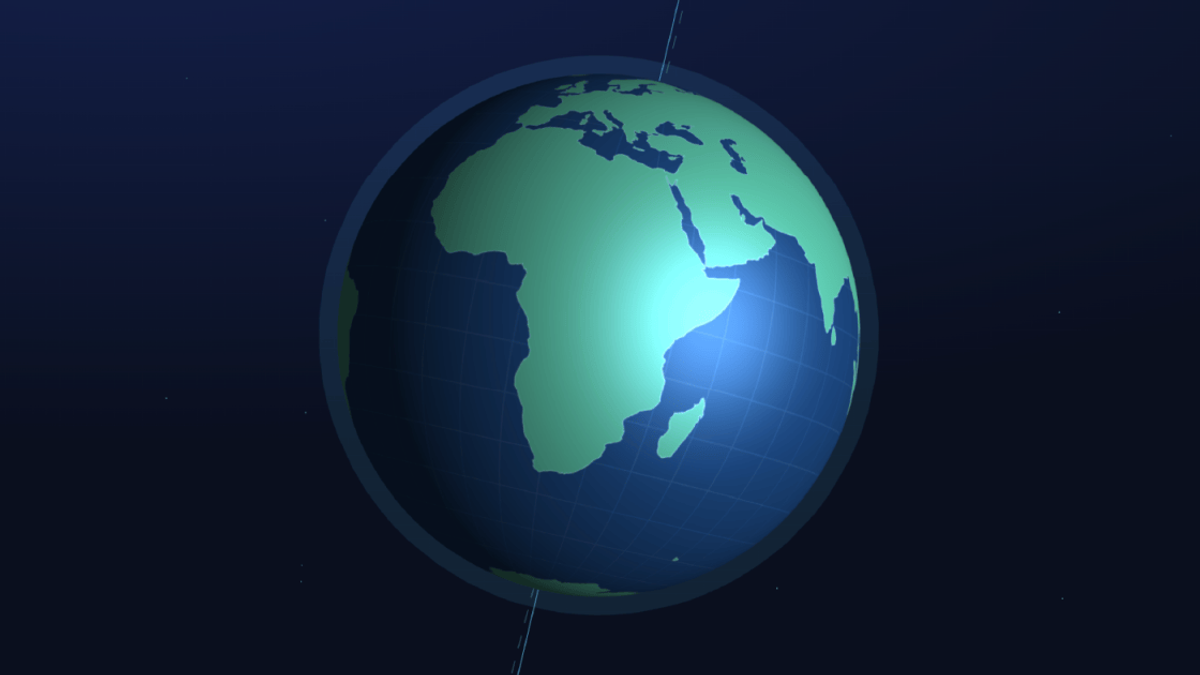
Global timekeeping authorities are convening near Paris to deliberate a momentous decision: whether to abolish the leap second. This periodic adjustment, introduced in 1972, has historically served to synchronize Coordinated Universal Time (UTC) – the global standard derived from highly precise atomic clocks – with the Earth's slightly irregular rotation. The last leap second was added in 2016, and since then, pressure has intensified from the technology sector and financial markets to discontinue the practice due to the operational complexities and system glitches it causes. The International Bureau of Weights and Measures (BIPM), the intergovernmental organization overseeing global metrology, is now considering proposals that could see the leap second eliminated as early as 2027, fundamentally altering humanity's relationship with its most basic measure: time.
The debate over the leap second is a stark illustration of how economic and technological power now dictates even the most fundamental scientific standards. The push to scrap the leap second is not driven by a new astronomical discovery, but by the operational demands of a globalized digital economy. Financial markets, high-frequency trading platforms, and vast data centers rely on time synchronization down to the nanosecond. The unpredictable addition of a leap second, which can crash systems and disrupt complex algorithms, is seen as an unacceptable risk to these critical infrastructures. Companies like Meta, LinkedIn, and Reddit have publicly shared their
Source referenced: ALJAZEERA
This brief was synthesized by our Editorial Engine and reviewed by The Ground Narrative team.


