TRENDING

Friday, 16 October 2026
----------------------
5 Jumada Al-Awwal 1448 AH
Ukraine has lifted its self‑imposed ban on hitting Russian oil refineries, directly confronting a Trump‑led energy truce. The move reshapes the war’s economics and puts ordinary people on both sides in the line of fire.
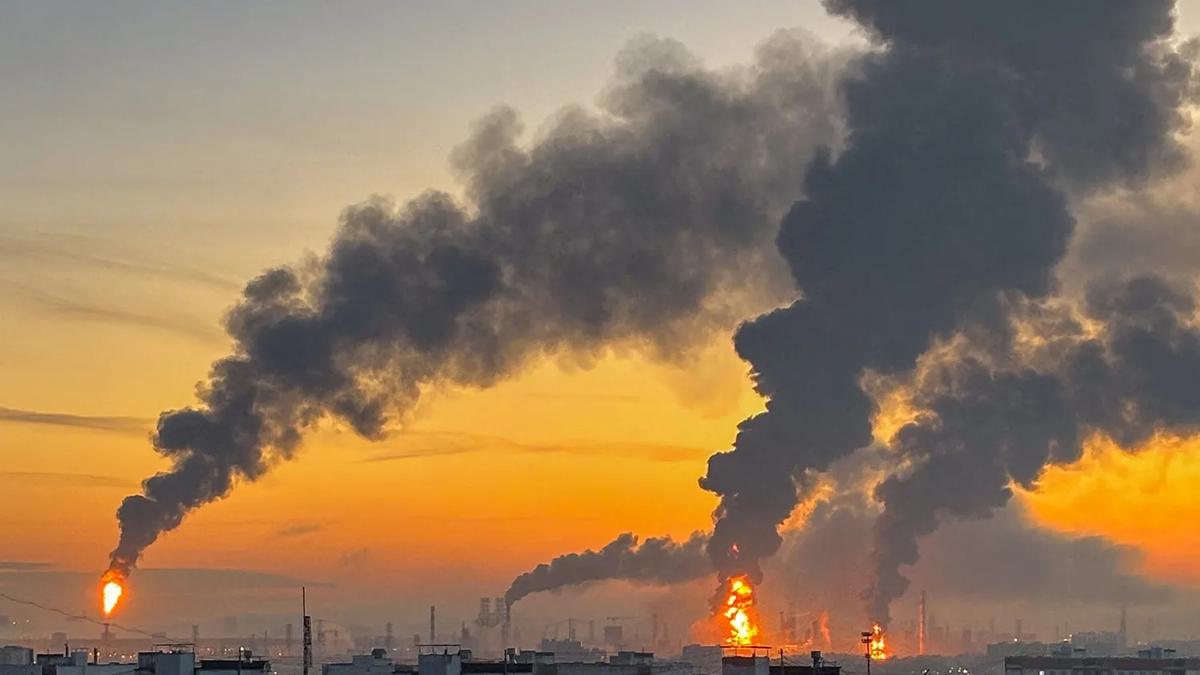
On Thursday Ukraine announced the resumption of drone strikes against Russian oil refineries, ending a three‑day pause that had been framed as an "energy cease‑fire" by the United States. President Volodymyr Zelensky told the *Financial Times* that the block on refinery attacks was "out" and that Kyiv would no longer hold back. The decision came after a brief lull during which Russian missile salvos crippled Ukrainian power grids, leaving roughly 600,000 residents of Kyiv without electricity for hours.
President Donald Trump faced soaring fuel prices ahead of the 2026 midterms. With inflation still a political hot‑button, his administration pushed for a rapid de‑escalation of the energy war, arguing that halting Ukrainian strikes on Russian refineries would lower global oil prices. To signal seriousness, the White House suspended sanctions on Russian diesel and publicly urged Kyiv to honor the truce.
For Ukraine, Russian oil revenues are a lifeline for the war machine. Analysts estimate that up to 30% of Moscow’s war budget is funded by energy exports. By targeting refineries, Kyiv aims to choke that cash flow, force Moscow to divert resources to repair, and demonstrate that it can act independently of U.S. wishes. The decision also serves a domestic political purpose: showing the Ukrainian public that the leadership is willing to take bold steps to end the conflict.
Reports surfaced that senior U.S. military officials threatened to withhold real‑time intelligence if Kyiv persisted in striking energy sites. At the same time, SpaceX’s Starlink service—critical for Ukrainian communications—faced new usage restrictions allegedly tied to the Trump administration’s pressure. The intertwining of intelligence sharing and commercial satellite access created a leverage point that Kyiv chose to reject.
European allies, particularly the Baltic states, voiced strong support for the strikes. Estonia’s prime minister framed the attacks as a legitimate way to erode Russia’s war‑funding capacity. This divergence highlights a split within NATO: while the U.S. prioritizes domestic electoral concerns, many European capitals view the energy war as a core front in the broader contest with Moscow.
When a refinery is hit, the immediate blast zone endangers plant personnel, many of whom are low‑paid regional workers with limited alternatives. Secondary effects include toxic smoke that drifts over residential neighborhoods, exacerbating respiratory illnesses. In the city of Novorossiysk, local hospitals reported a 20% rise in asthma admissions following the latest strike.
The three‑day pause was intended to protect Ukrainian energy infrastructure, but Russian retaliation during that window plunged half a million Kyiv residents into darkness. Hospitals ran on backup generators, schools canceled classes, and small businesses lost revenue. The renewed Ukrainian attacks risk provoking further Russian missile barrages, perpetuating a cycle of energy insecurity for civilians on both sides.
While the strategic intent is to squeeze Moscow’s finances, the immediate side effect is tighter global oil supplies. European fuel stations reported price spikes of up to 12% within days of the strikes, squeezing household budgets in countries already coping with high inflation. The burden falls disproportionately on low‑income families who spend a larger share of earnings on transport.
The Trump administration publicly framed the truce as a humanitarian gesture, yet internal memos reveal a calculated gamble: by keeping Russian oil flowing, the U.S. hoped to stabilize global markets and protect domestic fuel prices ahead of the election. The potential long‑term benefit to Moscow—a steadier flow of revenue—was largely omitted from public statements.
Russian officials have quietly diversified export routes, increasing shipments through the Black Sea and via rail to China. While Western media spotlight the visible damage to refineries, they rarely mention that Russia has built strategic stockpiles capable of buffering short‑term output losses. This omission downplays the limited impact of the strikes on Moscow’s war‑financing.
The restriction on Starlink access is presented as a technical adjustment, but it masks a broader power play by the U.S. government over a private satellite constellation. By tying critical communications to diplomatic leverage, the administration blurs the line between commercial service provision and foreign policy coercion—an angle seldom explored in official briefings.
- Escalation patterns: Monitor whether Russia responds with a larger wave of missile attacks on Ukrainian power grids, which would signal a shift back to total energy warfare.
- European policy shifts: Watch for statements from NATO capitals that could either reinforce Kyiv’s stance or pressure it back toward a negotiated pause.
- U.S. electoral timeline: As the midterm elections approach, track any softening of the Trump administration’s public rhetoric on the truce, which may indicate a strategic retreat.
- Energy market data: Follow global crude price movements and Russian export volumes; a sustained dip could force Moscow to reconsider its reliance on oil revenues.
- Starlink availability: Any further curtailment of satellite internet for Ukrainian forces would reveal how deeply tech infrastructure is being weaponized in diplomatic negotiations.
The coming weeks will reveal whether Kyiv’s defiance reshapes the energy front of the war or simply fuels a new round of tit‑for‑tat strikes that deepen civilian suffering on both sides.
Kyiv lifted the pause to cut Russia's war‑funding from oil revenues, respond to Russian attacks on Ukrainian energy sites, and push back against U.S. pressure that it saw as compromising Ukraine's strategic interests.
The cease‑fire was intended to keep Russian oil flowing and stabilize global markets ahead of the US midterms, but renewed strikes threaten supply disruptions, which can push prices higher and impact consumers worldwide.
Editor's Note: Analysis based on publicly available reports and expert commentary up to October 2026.
Source referenced: FOREIGNPOLICY
This brief was synthesized by our Editorial Engine and reviewed by The Ground Narrative team.