TRENDING

Friday, 16 October 2026
----------------------
5 Jumada Al-Awwal 1448 AH
Musk’s satellite internet is a lifeline for Ukraine’s defense and a coveted market for India, yet both arenas expose how a single billionaire can shape national security and everyday connectivity. The real stakes fall on soldiers, civilians, and millions of Indian users.
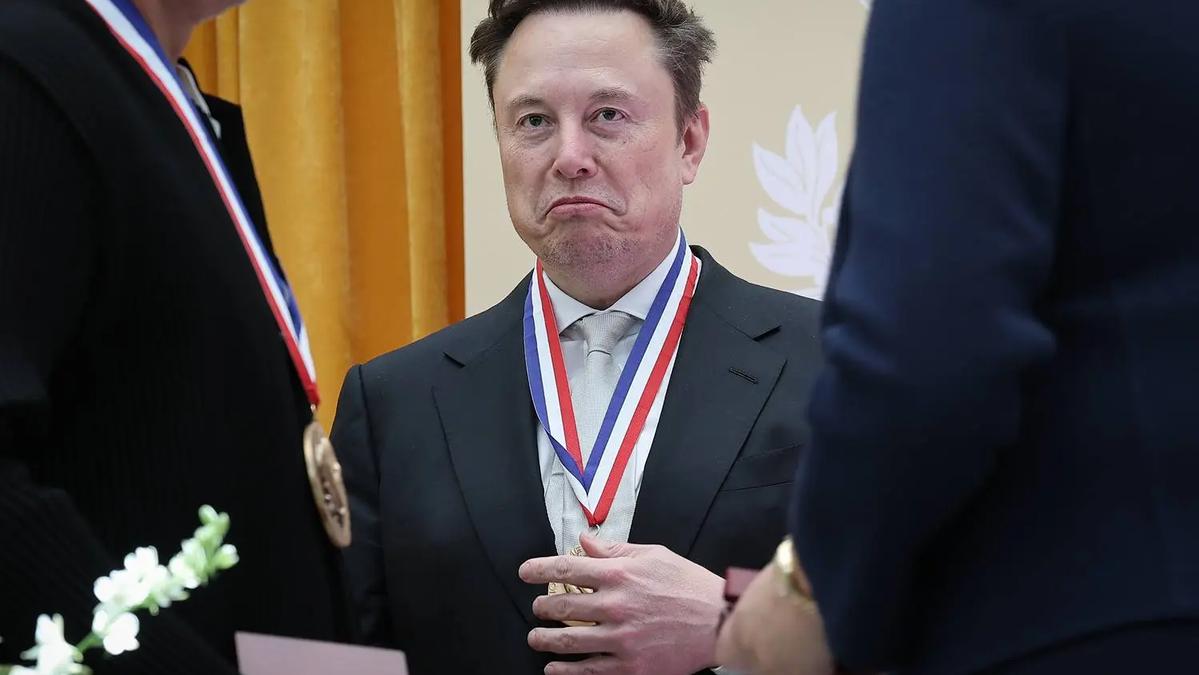
In early October 2026 Ukraine’s military reported that Starlink service speeds had been throttled, limiting the bandwidth needed for drone‑linked artillery and real‑time intelligence. Elon Musk responded on X, insisting the cut‑off was not his decision but a move by the U.S. government, specifically the Trump administration, which was pressuring Kyiv to halt strikes on Russian energy infrastructure ahead of the U.S. midterms. At the same time, Musk took to social media to accuse unnamed Indian “oligarchs” of blocking a pending Starlink licence, hinting at Mukesh Ambani and his Reliance Jio empire as the culprits. India’s communications ministry rejected the claim, saying the regulatory process is transparent and security‑focused. The two disputes—one on a battlefield, the other in a telecom market—have thrust Musk into a rare geopolitical spotlight.
Musk’s enterprises sit at the crossroads of private capital and public security. Starlink was fast‑tracked into the Pentagon’s Starshield program, a classified satellite network that feeds encrypted data to Ukrainian forces. That partnership gives the U.S. a strategic lever: it can throttle or boost service in line with broader diplomatic goals, such as tempering Kyiv’s attacks on Russian gas fields that could spike global fuel prices before the midterm vote. For Musk, the arrangement translates into lucrative contracts, political goodwill, and a platform to showcase his brand as a defender of “freedom.”
President Donald Trump’s administration has repeatedly warned Ukraine that continued strikes on Russian energy could jeopardise U.S. energy markets and, by extension, his electoral narrative of low gas prices for American farmers and truckers. By signaling that Starlink speed caps might be a policy tool, the White House is effectively weaponising a private satellite constellation to enforce its foreign‑policy agenda. The move also signals to domestic constituencies that the president can “hold the line” on foreign conflicts that threaten the American wallet.
India’s telecom sector is dominated by Reliance Jio, which controls roughly 35% of the mobile broadband market and enjoys close ties to Prime Minister Narendra Modi’s ruling party. Granting Starlink a licence would introduce a non‑terrestrial competitor capable of bypassing ground‑based infrastructure, potentially eroding Jio’s market share and its political patronage network. The Ministry of Communications frames its licensing criteria around “national security” and “spectrum management,” but those terms also give regulators discretion to favor incumbents. Musk’s public accusation is a high‑stakes gamble: he hopes to pressure the government by rallying public opinion around internet freedom, while simultaneously leveraging his personal brand to negotiate better terms.
Both the United States and India benefit from keeping a powerful private actor in check. The U.S. safeguards its diplomatic leverage over Ukraine; India protects a domestic champion that fuels its digital economy and political stability. For Musk, the upside is massive revenue and geopolitical clout, while the downside includes regulatory backlash, reputational risk, and the possibility that a future administration could yank access altogether.
When Starlink speeds dip, frontline commanders lose the ability to stream high‑resolution drone footage, coordinate artillery, and maintain secure voice channels. That translates into slower response times, higher casualty rates, and reduced civilian warning systems for incoming strikes. Rural communities, already dependent on satellite internet for telemedicine and education, find themselves cut off from vital services during a period of intense conflict.
India’s 1.4 billion‑strong population still grapples with uneven broadband coverage, especially in remote and underserved regions. A Starlink presence could have offered a rapid, low‑latency alternative to overloaded cellular towers, improving access to online schooling, e‑health, and agricultural market data. By keeping the licence on hold, the status quo preserves higher prices and limited competition, disproportionately affecting low‑income households that cannot afford premium data plans.
Both disputes highlight a broader vulnerability: when a single private company controls a critical layer of the internet, any political decision—whether from Washington or New Delhi—can ripple across borders. The lack of a robust, multilateral framework for satellite broadband means that ordinary users worldwide are subject to the whims of corporate‑state bargains.
Official statements from the Pentagon and the White House frame the Starlink speed issue as a “technical adjustment” rather than a policy lever. By avoiding the language of corporate coercion, the administration sidesteps scrutiny over how much influence a billionaire can wield over wartime communications. Congressional oversight committees have yet to demand transparency on the decision‑making chain that led to the throttling.
India’s communications ministry emphasizes “security conditions” for satellite licences, citing concerns about foreign control of data pathways. Yet the same ministry has previously fast‑tracked licences for domestic players while subjecting foreign entrants to prolonged vetting. Critics argue that the security argument is a convenient cover for protecting Jio’s monopoly and the political patronage that sustains it.
While analysts point to emerging constellations from Europe and Japan, none have yet achieved the scale or regulatory clearance to challenge Starlink in either theatre. The absence of a viable competitor means that governments can use Musk’s platform as a bargaining chip without fear of losing service continuity—a leverage point that remains largely invisible to the public.
- U.S. congressional hearings on the Pentagon’s use of commercial satellite constellations, especially as the 2026 midterms approach. Any subpoena or subpoena‑driven testimony could expose the chain of command behind the speed caps.
- India’s licensing timetable: the Ministry of Communications is expected to release a draft framework in the next quarter. Watch for clauses that reference “national security” and for any amendments that ease foreign entry.
- Emergence of rival constellations: firms like OneWeb, Amazon’s Project Kuiper, and China’s StarNet are racing to fill the gap. Their progress—or lack thereof—will determine whether Ukraine and India can diversify away from Starlink.
- Public sentiment on social media: Musk’s posts have already sparked debate in both Kyiv and New Delhi. A surge in grassroots campaigns demanding internet freedom could pressure regulators to act.
- Legal challenges: Ukrainian NGOs and Indian consumer groups have hinted at filing suits alleging abuse of market power. Court rulings could set precedents for how private satellite services are governed.
By tracking these threads, readers can gauge whether a single billionaire’s satellite will remain a strategic asset or become a contested piece of the global power puzzle.
Ukraine claimed the reduction was a deliberate throttling that limited bandwidth for military communications. Musk said the decision came from the U.S. government, which was pressuring Kyiv to pause strikes on Russian energy sites.
India’s communications ministry says the licence process is pending security clearances, while Musk alleges that domestic telecom monopolies, especially Reliance Jio, are lobbying to keep the service out.
Other satellite constellations exist but have not yet reached the scale or regulatory approval needed to replace Starlink in either market, leaving users dependent on Musk’s network.
Editor's Note: Analysis based on publicly reported statements and known regulatory frameworks; some internal decision‑making details remain undisclosed.
Source referenced: FOREIGNPOLICY
This brief was synthesized by our Editorial Engine and reviewed by The Ground Narrative team.