TRENDING

Thursday, 15 October 2026
----------------------
4 Jumada Al-Awwal 1448 AH
France's football ethics body has urged fans to keep politics out of stadiums, following widespread student protests against alleged police brutality. This directive comes as young people increasingly use public platforms to voice their dissent.
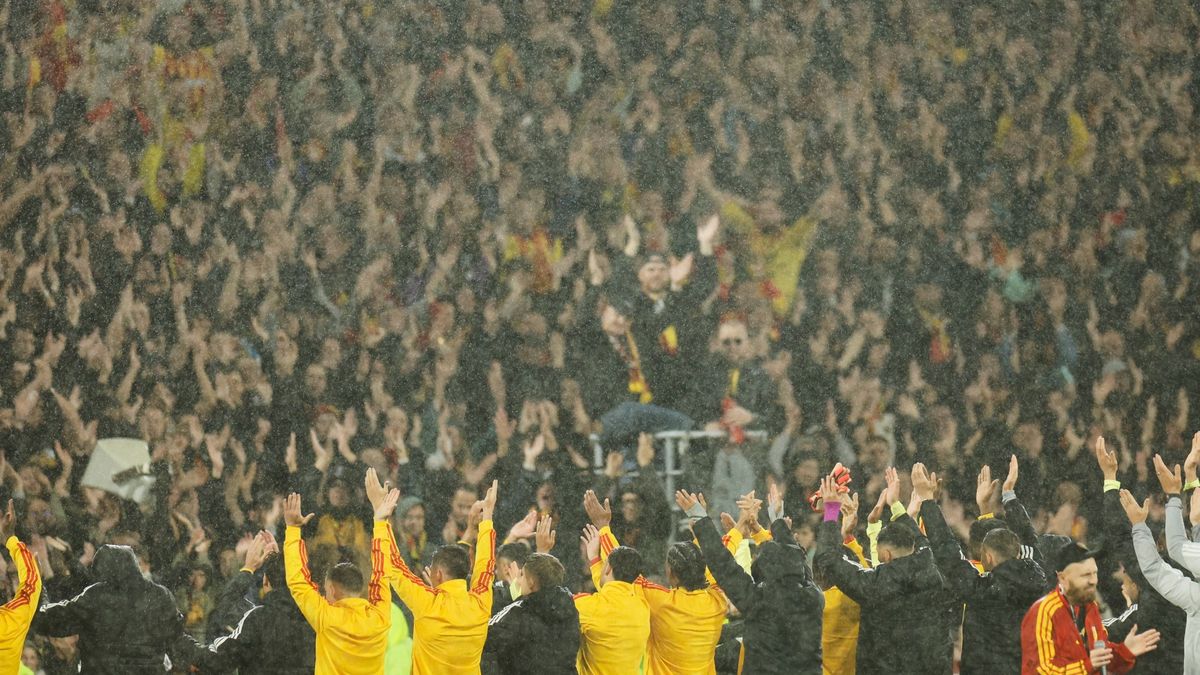
The ethics body of the French football federation (CNE) recently issued a stark warning, urging fans and students to maintain political neutrality within stadiums. This directive came in direct response to a wave of nationwide student protests that have gripped France, drawing international attention for their scale and the severity of the police response. During recent Ligue 1 matches, supporters displayed banners condemning what they called "disproportionate and systematic police violence" and proclaiming, "Your militias repress; our youth resists." The CNE, citing international and national sports statutes, reiterated that any political, ideological, or trade union expressions are strictly prohibited in sporting venues, emphasizing that sport should unite, not divide.
The CNE's intervention is not merely about maintaining decorum; it's a clear illustration of how powerful institutions attempt to manage and contain public dissent. At its core, this is a clash between the state's desire for order and control, and the public's right to express grievances, particularly when traditional avenues feel unresponsive. The French state, under President Emmanuel Macron, has consistently demonstrated a firm hand in dealing with large-scale protests, from the Yellow Vest movement to pension reforms. The high number of arrests—over 6,600 in the recent student protests—and the documented severe injuries inflicted by police weaponry, signal a state apparatus determined to quash unrest quickly and decisively. This approach is rooted in a particular vision of French republicanism, where the state's authority is paramount, and public order is a non-negotiable foundation.
The sports world, with its vast audiences and global reach, represents a powerful, often untapped, platform for social and political messaging. International bodies like FIFA and the Olympic Charter, echoed by national federations like the CNE, enshrine principles of political neutrality. This isn't just about preventing partisan bickering; it's a strategic depoliticization of mass gatherings. By declaring stadiums as apolitical zones, these bodies effectively remove a significant public space where collective identity and dissent can coalesce. This serves multiple interests: it protects the commercial viability of sport by ensuring a broad, uncontroversial appeal to advertisers and sponsors, and it shields governing bodies from being drawn into contentious political debates. For governments, it prevents large, organized crowds from becoming vectors of anti-establishment sentiment, thereby maintaining the illusion of national unity and control.
Furthermore, the invocation of
Source referenced: ALJAZEERA
This brief was synthesized by our Editorial Engine and reviewed by The Ground Narrative team.