TRENDING

Thursday, 15 October 2026
----------------------
4 Jumada Al-Awwal 1448 AH
A global scramble is underway for monazite, a radioactive ore, as Western nations seek to break China's near-monopoly on vital rare earth elements. This high-stakes pursuit promises technological independence but carries significant environmental and human costs.
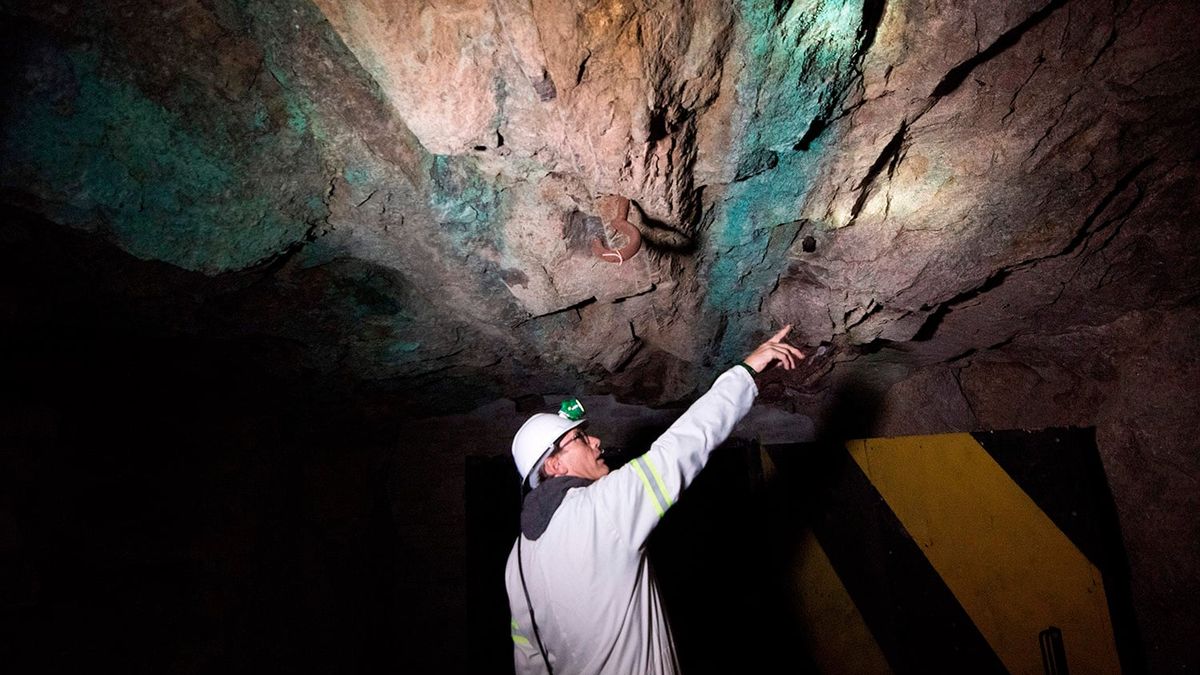
Western nations and their corporate allies are aggressively pursuing new sources of monazite ore, a mineral rich in rare earth elements but also containing radioactive thorium and sometimes uranium. This intense global effort aims to dismantle China's near-total dominance, which currently accounts for roughly 90 percent of the world's rare earth oxides and metals. The push is driven by the critical role these elements play in modern technology, from electric vehicles and advanced electronics to sophisticated military systems, making access to a stable supply a matter of national economic and security interest.
China's long-established control over the rare earth supply chain is not accidental; it is the culmination of decades of strategic investment, vertical integration, and a willingness to accept environmental costs that many Western nations once shied away from. This has granted Beijing immense leverage, effectively holding the keys to the global high-tech manufacturing sector. The current scramble for monazite represents a concerted, albeit belated, effort by other industrial powers to reclaim a degree of autonomy.
For decades, China cultivated its rare earth industry, investing heavily in mining, processing, and refining infrastructure. This allowed Chinese firms to offer rare earth products at competitive prices, often undercutting nascent industries elsewhere. The result is a deeply entrenched ecosystem where most global manufacturing relies on Chinese-sourced rare earths for everything from semiconductors and LEDs to permanent magnets crucial for electric motors. This dependency translates directly into geopolitical power, enabling China to exert influence over critical supply chains, as seen in past instances where export restrictions were threatened or implemented during trade disputes.
The recognition of this vulnerability has spurred Western governments and corporations into action. The term "mineral war" is increasingly used to describe the intensity of this competition. For nations like the United States, the European Union, and Australia, securing independent rare earth supplies is no longer just an economic goal but a strategic imperative. It's about ensuring the resilience of their defense industries, fostering innovation in green technologies like electric vehicles, and maintaining a competitive edge in the global economy. The focus on monazite is pragmatic: it's abundant, often found in easily accessible heavy mineral sands, and boasts a high concentration of rare earth elements, including those vital for powerful magnets.
The catch, however, is monazite's radioactivity. The presence of thorium and uranium necessitates stringent regulations for handling, storage, and processing, adding significant cost and complexity. This is where the power dynamics become particularly visible. While Western nations demand cleaner energy and ethical supply chains, the inherent dangers of monazite processing often push the actual dirty work to countries with less stringent environmental oversight or greater economic desperation. Companies like Energy Fuels and Lynas Rare Earths Ltd. are making substantial investments, but the path is fraught with technical, financial, and regulatory challenges, as evidenced by the costly delays and underperformance of projects like the one in Saskatchewan, Canada. The ability to manage these radioactive materials safely and economically will determine who can truly challenge China's grip, and who will simply outsource the risk.
The global rush for monazite, while framed as a strategic necessity for technological advancement and national security, carries a profound and often unseen human cost. The very nature of the ore—radioactive—means that communities and workers involved in its extraction and processing face significant, long-term risks.
Processing monazite involves dealing with radioactive waste, which requires careful containment and disposal to prevent contamination of soil, water, and air. Communities living near these mines and processing facilities, particularly in countries like Madagascar, Brazil, Mozambique, and parts of Australia and South Africa, are on the front lines of this environmental burden. Exposure to thorium and uranium can lead to serious health issues, including increased risks of cancer, birth defects, and other chronic illnesses. The long-term impact of even low-level radiation exposure on ecosystems and human health is a complex and often under-researched area, leaving local populations vulnerable to consequences that may only manifest decades later. The promise of economic development often overshadows these grave health concerns, creating a Faustian bargain for impoverished regions.
While new mining projects bring jobs and investment, these are often temporary and can create boom-bust cycles that leave communities worse off in the long run. The Saskatchewan Research Council's plant, for instance, highlights the immense financial risk and potential for failure, with over 216 million CAD spent for minuscule returns so far. Such failures not only waste public funds but also dash the hopes of local populations who were promised stable employment and economic upliftment. When projects stall or fail, workers are laid off, and the infrastructure built often becomes a derelict reminder of unfulfilled promises, leaving behind a legacy of environmental disturbance without sustainable economic benefit.
Many of the world's richest mineral deposits, including those of monazite, are located on or near lands traditionally inhabited by indigenous communities. The push for rapid resource extraction often leads to land disputes, displacement, and the disruption of traditional livelihoods and cultural practices. These communities frequently lack the political power or legal resources to effectively resist large-scale mining operations, making them disproportionately bear the environmental and social costs while seeing little of the economic benefits. The drive for
Monazite is a mineral rich in rare earth elements, which are crucial for high-tech industries like electric vehicles, electronics, and defense systems. It's important because Western nations are seeking it as an alternative source to break China's near-monopoly on these vital materials.
Monazite typically contains radioactive thorium and sometimes uranium, posing significant environmental and health risks. Its processing requires strict regulations, adding substantial costs and potentially exposing workers and local communities to radiation, leading to long-term health issues and ecological damage.
The global pursuit of monazite aims to diversify rare earth supplies and reduce dependency on China, which currently controls about 90% of the market. If successful, new monazite-based supply chains could diminish China's geopolitical leverage over critical technology sectors and defense industries.
Source referenced: FOREIGNPOLICY
This brief was synthesized by our Editorial Engine and reviewed by The Ground Narrative team.