TRENDING

Friday, 16 October 2026
----------------------
5 Jumada Al-Awwal 1448 AH
Israel’s recent decision to stop commercial trucks from entering Gaza threatens to push millions toward acute hunger. The move exposes a tangled web of political leverage, economic pressure, and human suffering.
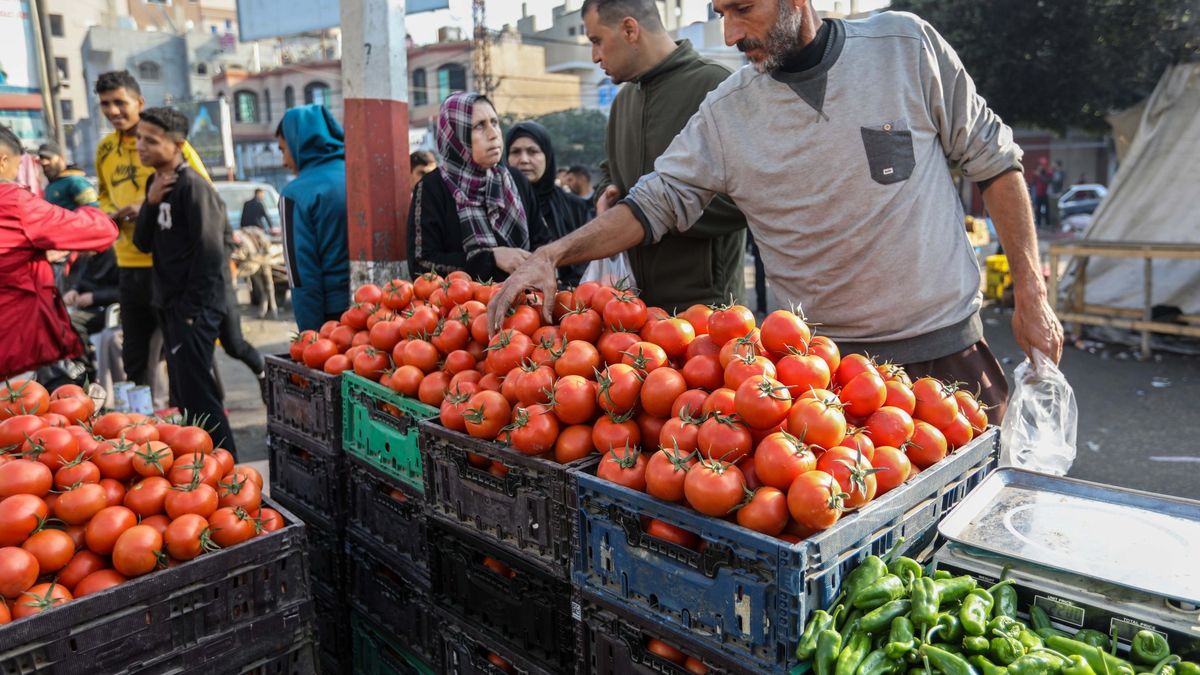
On 15 October 2026 the Israeli coordination body COGAT announced that no commercial goods had entered Gaza for two consecutive days. The agency blamed a dispute over a 10,000‑shekel fee and a 30 percent cash‑sale demand imposed by Hamas on local merchants. Gaza’s Ministry of Economy and the private truckers union rejected the claim, saying Israel itself imposed the restriction. The halt affects fruit, winter clothing and other perishable items that complement humanitarian aid, raising alarms that more than two‑thirds of Gaza’s 2.1 million residents could face acute hunger before year‑end.
Israel remains the sole gateway for bulk goods into the enclave. By pausing commercial trucks, it can exert pressure on Hamas without overtly violating the U.S.‑brokered agreement that obliges a minimum of 600 aid trucks daily. The agreement, however, is loosely enforced; actual daily entries hover around 300, with commercial cargo making up two‑thirds of that flow. This asymmetry lets Israel manipulate supply chains while maintaining a veneer of humanitarian compliance.
The disputed 10,000‑shekel fee and the alleged 30 percent cash‑sale requirement are framed by Israel as evidence of Hamas exploiting merchants. Whether the fee is a voluntary contribution to a welfare fund or a coercive levy, it creates a financial choke point. Merchants, already operating on razor‑thin margins, face a choice: pay the fee and risk higher prices for consumers, or halt shipments and trigger a supply shock that can be blamed on Hamas.
For the Israeli government, tightening commercial flow serves two political audiences. Domestically, it signals a hard line against Hamas, bolstering support among right‑leaning constituencies that demand punitive measures. Internationally, the move can be presented as a response to Hamas‑initiated “tax abuse,” deflecting criticism of the broader blockade while preserving the narrative of humanitarian concern.
The United States, as the guarantor of the 600‑truck benchmark, has a vested interest in keeping the corridor open but also in limiting Hamas’s fiscal capacity. By allowing Israel to cite a tax dispute, Washington can maintain plausible deniability while avoiding direct confrontation over the humanitarian fallout. Meanwhile, European donors and NGOs, constrained by funding cycles, find themselves caught between urging open commerce and navigating diplomatic sensitivities.
With commercial trucks stalled, fresh produce and affordable clothing disappear from Gaza’s markets. Households that once relied on modest price differentials between aid staples and market goods now face inflated costs. For a typical Gazan family earning less than 2 USD a day, the loss of cheap fruit and meat translates into fewer meals and increased reliance on rationed aid.
The private truckers union reports that its members are left idle, jeopardizing livelihoods for drivers, loaders and ancillary service providers. Unemployment spikes in a region already suffering from high youth joblessness, feeding a cycle of poverty that can fuel resentment and, historically, recruitment for militant groups.
Nutrition experts warn that the absence of perishable foods accelerates micronutrient deficiencies, especially among children and pregnant women. Winter clothing shortages expose vulnerable populations to hypothermia as temperatures drop, compounding the health crisis already strained by damaged infrastructure.
Beyond physical deprivation, the uncertainty surrounding food availability erodes community morale. Residents report heightened anxiety, sleep disturbances, and a sense of abandonment as the blockade’s invisible hand tightens.
Official statements portray the halt as a reaction to Hamas‑imposed fees, shifting blame onto the enclave’s governing authority. This framing downplays Israel’s capacity to unilaterally restrict commercial flow, a power it has exercised intermittently since 2007. By attributing the disruption to “tax disputes,” the narrative sidesteps the broader strategy of economic containment.
While Gaza’s media office denies mandatory fees, it acknowledges a voluntary fund for widows and orphans. The nuance is lost in the public debate, obscuring how Hamas may be leveraging limited resources to sustain its governance model. The omission of this financial dimension prevents a full understanding of the enclave’s fiscal resilience and the pressures faced by merchants.
Donor fatigue is rarely highlighted. Years of recurring crises have strained humanitarian budgets, leading to a reliance on market mechanisms to fill gaps. The article’s focus on the 600‑truck agreement masks the reality that the international community has not met that target for months, effectively normalizing a sub‑optimal supply baseline.
Economists note that restricting commercial goods reduces Hamas’s tax base, but it also harms the civilian economy that the group depends on for social legitimacy. This paradox is seldom discussed, allowing observers to view the blockade as a clean‑cut punitive tool rather than a blunt instrument with collateral damage.
The next weeks will reveal whether Israel lifts the commercial freeze or uses it as a bargaining chip in any forthcoming negotiations. Key indicators include: (1) any shift in the volume of aid trucks versus commercial trucks; (2) statements from the U.S. administration regarding enforcement of the 600‑truck minimum; (3) price trends in Gaza’s markets, especially for perishable goods; and (4) the response of international NGOs, which may intensify appeals for funding if hunger indicators rise sharply. Monitoring these signals will help gauge whether the current restriction is a temporary pressure tactic or the prelude to a longer‑term economic siege.
Israel said the halt responded to a dispute over a fee and cash‑sale demand imposed by Hamas on merchants, framing it as a tax issue rather than a direct blockade.
The suspension cuts off fresh food, clothing and other goods, driving up prices, worsening nutrition, and leaving many families at risk of acute hunger before winter.
Source referenced: ALJAZEERA
This brief was synthesized by our Editorial Engine and reviewed by The Ground Narrative team.


