TRENDING

Friday, 16 October 2026
----------------------
5 Jumada Al-Awwal 1448 AH
Algeria has abruptly severed diplomatic relations with the United Arab Emirates, a move that signals a broader push to re‑assert its role in North Africa. The decision intertwines domestic politics, energy ambitions, and a delicate balancing act between global powers.
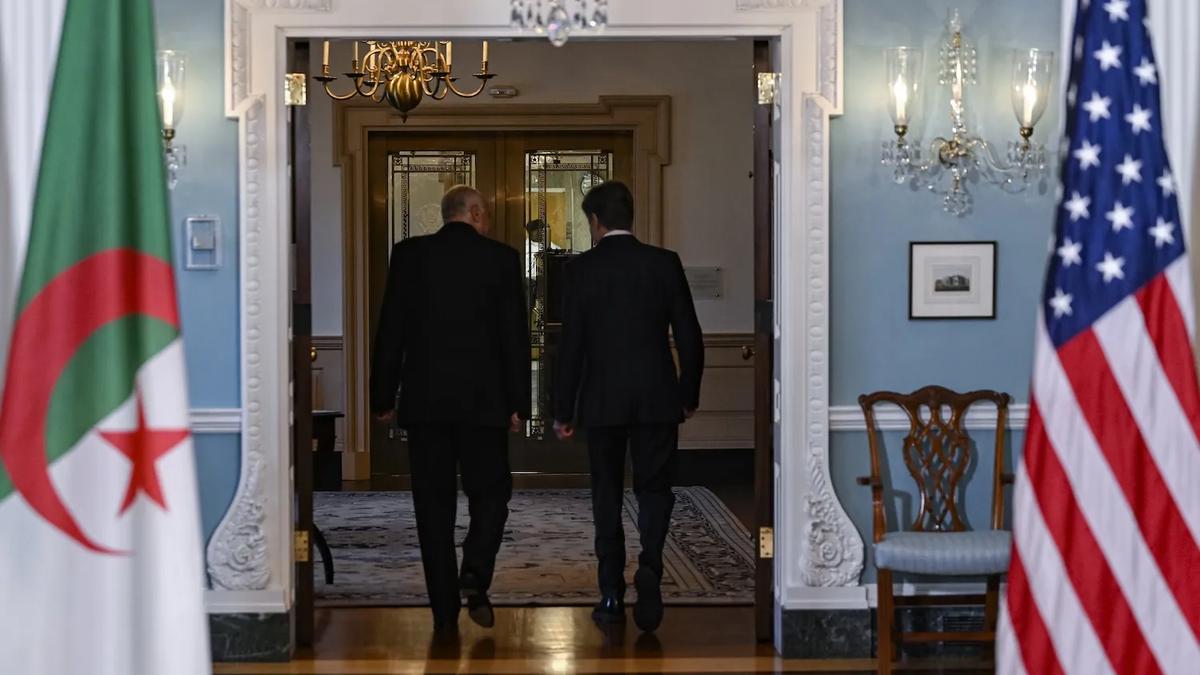
Algeria’s Ministry of Foreign Affairs announced on 12 October 2026 that it was cutting diplomatic ties with the UAE. No official reason was given, but analysts link the rupture to Algiers’ accusations that Abu Dhabi backs armed groups operating across the Sahel and North Africa. The break follows a series of foreign‑policy shifts under President Abdelmadjid Tebboune, who has been steering the country toward a more assertive regional posture since taking office in 2019.
After the 2019 Hirak protests toppled longtime ruler Abdelaziz Bouteflika, the military‑backed transition installed Tebboune as a compromise figure. To cement his authority, the president has leaned on nationalism and foreign‑policy victories, portraying the UAE as a destabilizing outsider. By framing the split as a defense of Algerian sovereignty, the regime diverts attention from internal repression and economic hardship.
Algeria remains heavily dependent on hydrocarbons, but recent gas‑export deals with United States firms such as Chevron and ExxonMobil aim to fund a broader diversification strategy. The loss of Emirati investment—particularly in construction and logistics—creates a short‑term fiscal gap, yet it also frees the government to negotiate directly with Western partners without Emirati intermediation. The move reinforces Algiers’ narrative of self‑reliance and positions it as a potential conduit for European gas supplies.
The UAE has pursued an aggressive policy in Libya, Sudan, and the Sahel, often supporting anti‑Islamist militias that clash with Algerian security interests. By publicly condemning Emirati meddling, Algiers signals to neighboring states—especially Morocco and the Western Sahara movement—that it will act as a stabilizing counterweight. The decision also dovetails with Algeria’s recent deployment of fighter jets to Niger, invoking a 2020 constitutional provision that allows limited foreign military interventions.
Algeria’s foreign‑policy pivot is a tightrope walk between Russia and the United States. Moscow supplies the bulk of Algiers’ military hardware, while Washington offers investment in agriculture and energy. Cutting ties with the UAE, a close U.S. ally, reduces friction with Washington, allowing the United States to deepen its lobbying efforts in Algiers. Simultaneously, Algeria continues to purchase Russian weapons, preserving a strategic hedge against Western pressure.
Algerian farmers in the south had counted on Emirati‑backed infrastructure projects to improve irrigation and market access. The sudden withdrawal of UAE‑funded contracts threatens to stall these developments, leaving smallholders dependent on volatile state subsidies. In the short term, reduced investment translates into lower yields and higher food prices for ordinary families.
The Hirak movement revealed deep frustration among Algeria’s young population, who face chronic joblessness despite the country’s oil wealth. By framing the diplomatic break as a patriotic triumph, the government hopes to rally nationalist sentiment, but the underlying economic grievances remain. If diversification projects stall, disillusioned youths may turn to informal economies or, worse, become vulnerable to recruitment by extremist groups.
Algeria’s northern border with Morocco and the contested Western Sahara remains a flashpoint. A hardened stance against Emirati‑backed militias could provoke retaliatory covert actions, increasing the risk of cross‑border skirmishes. Communities along the frontier already endure heightened military presence, disrupting daily life and limiting cross‑border trade that many depend on for livelihoods.
While Algiers accuses the UAE of funding armed groups, Washington and Abu Dhabi rarely acknowledge the scale of these networks. The lack of transparent evidence allows both sides to maintain plausible deniability, obscuring the true extent of foreign‑backed destabilization in the Sahel. This opacity hampers regional actors’ ability to address the root causes of conflict.
The United States has quietly welcomed Algeria’s break with the UAE, seeing an opportunity to expand its influence in a gas‑rich nation that can supply Europe amid the continent’s energy transition. Yet official statements downplay any direct encouragement, preserving diplomatic flexibility with both Algiers and the UAE, which remains a key partner in other Middle‑East arenas.
Domestic dissent is increasingly managed through security apparatuses and media control. The diplomatic rupture offers a rallying point that distracts from crackdowns on journalists, activists, and opposition figures. International coverage often overlooks these internal dynamics, focusing instead on the geopolitical chessboard.
- Energy contracts: Follow the progress of pending U.S. gas deals, as successful execution could cement Algiers’ economic pivot and affect European energy markets.
- Western Sahara negotiations: Algeria’s stance may harden, influencing Morocco’s diplomatic calculations and the UN’s mediation efforts.
- UAE response: Watch for retaliatory economic measures or covert support to rival groups, which could reignite proxy conflicts in Libya and the Sahel.
- Great‑power engagement: Monitor how Russia and the United States adjust their outreach to Algiers, especially in arms sales and development aid, as the country seeks to balance external dependencies.
- Domestic unrest: Keep an eye on protests or labor strikes in Algeria’s southern provinces, where economic promises tied to foreign investment are most palpable.
These threads will reveal whether Algeria’s bold diplomatic gamble translates into lasting regional clout or merely a temporary rallying cry for a government grappling with deep‑seated structural challenges.
Algeria accused the UAE of financing armed groups that threaten stability in the Sahel and North Africa, and the move also serves President Tebboune’s domestic agenda of rallying nationalist sentiment after years of protest.
Algeria’s hardening stance against Emirati support for Morocco could embolden its backing of Western Sahara independence, increasing diplomatic pressure on Morocco and complicating UN‑mediated negotiations.
Source referenced: FOREIGNPOLICY
This brief was synthesized by our Editorial Engine and reviewed by The Ground Narrative team.