TRENDING

Friday, 16 October 2026
----------------------
5 Jumada Al-Awwal 1448 AH
Ukraine faces a multi‑billion‑dollar defense funding gap as reforms stall and European patience wanes. The article breaks down the power play, the human price, and what to watch next.
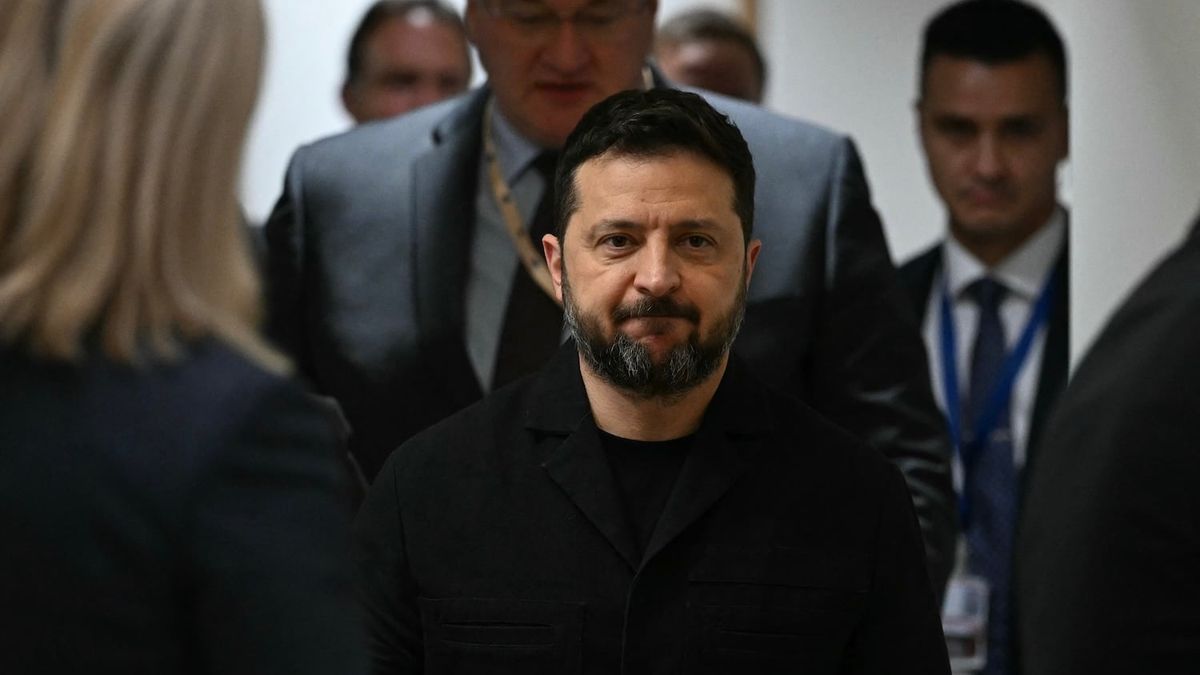
Ukraine announced in August that it needed an extra $27 billion to keep its defense budget afloat. By September the gap had been trimmed to $20 billion through austerity, but the shortfall remains. President Volodymyr Zelensky has pressed the European Union to release funds early from a loan slated for 2027, while Brussels insists on anti‑corruption and tax‑reform legislation before unlocking $38 billion already pledged. Parliament passed a key revision this week, yet the full reform package is still pending, leaving the fiscal outlook for 2027 uncertain.
The EU has become Ukraine’s biggest financial patron, eclipsing the United States in sheer cash flow. By tying disbursements to governance reforms, Brussels turns aid into a bargaining chip that serves two goals: shoring up Kyiv’s war machine and extracting a political dividend at home. EU leaders face domestic pressure to demonstrate that their billions are not simply a handout but a catalyst for cleaner institutions. The conditionality therefore reflects both external security calculations and internal electoral calculus.
Kyiv’s war‑time economy is a paradox of soaring military spending and collapsing civilian output. Gross domestic product fell nearly 30 % in 2022, while defense outlays jumped 640 %. The government’s response—raising soldiers’ salaries and buying costly drones—creates a feedback loop: higher payrolls inflate the budget gap, which in turn forces the leadership to seek more foreign cash. Reform fatigue sets in because many of the required changes—tax code overhaul, anti‑corruption courts, procurement transparency— threaten entrenched patronage networks that have survived since independence.
Washington continues to provide lethal aid and training, but its budget is capped by congressional appropriations that are increasingly scrutinized for cost‑effectiveness. The U.S. prefers a partner that can shoulder part of its own defense costs, reducing the political risk of an open‑ended financial commitment. This creates a subtle pressure on Kyiv to demonstrate fiscal responsibility, even as the war’s intensity makes that a tall order.
Russia has intensified strikes on Ukraine’s steel and grain sectors, eroding tax revenue and employment. Each lost job—estimated at 450,000 by the Kyiv School of Economics—tightens the fiscal noose and fuels the budget gap. At the same time, Russian sanctions and energy revenues keep Moscow financially resilient enough to sustain its offensive, forcing the West to keep the aid pipeline flowing.
Ukrainian troops now receive higher wages, a policy intended to retain combat‑ready personnel. While the pay rise eases immediate hardship, it also inflates the national budget, meaning future soldiers may face reduced equipment or delayed bonuses if the shortfall persists. The human calculus is stark: every extra dollar spent on salaries is a dollar not spent on artillery, ammunition, or medical supplies.
The civilian economy is still reeling from infrastructure damage and disrupted export routes. With GDP projected to grow a meager 1.2 % this year, ordinary families see stagnant wages and rising prices. Public opinion polls show 50 % of Ukrainians list corruption as their top concern, even above the threat of Russian attacks, indicating deep frustration with a system that appears to prioritize elite interests over everyday survival.
As the conflict drags into its fifth year, the number of veterans requiring long‑term care and job reintegration is swelling. The new veterans’ affairs minister, Vitalii Kim, warns that Ukraine must “build the engine while it’s driving the car.” Without sufficient budget, pension payments, prosthetic programs, and mental‑health services risk being underfunded, sowing a future crisis of neglected war‑wounded citizens.
Western Ukrainian oblasts that host major steel plants and grain terminals have suffered the brunt of Russian targeting. The loss of $4.9 billion in tax revenue projected for the next year translates into fewer public services, school closures, and reduced municipal budgets. Rural communities that depend on grain exports face both market collapse and the specter of food insecurity.
European leaders publicly champion Ukraine’s sovereignty, yet many are quietly hedging their bets ahead of national elections in France, Spain, Poland, and Italy. Far‑right candidates like Marine Le Pen have pledged to cut aid, while centrist parties worry about voter fatigue over endless foreign spending. Brussels’ insistence on reforms thus masks a deeper anxiety: the need to justify billions of euros to skeptical electorates.
Ukraine’s foreign minister, Andrii Sybiha, has repeatedly urged the EU to tap the $235 billion in frozen Russian assets held in Belgium and elsewhere. Belgium resists, citing legal complexities and concerns about setting a precedent for asset seizure. The discussion is largely absent from official EU statements, which focus on loan disbursement timelines rather than the potential windfall that could close the budget gap outright.
Official narratives stress that anti‑corruption reforms are a prerequisite for aid, but the depth of the problem runs deeper than a single legislative package. Investigations into officials close to Zelensky have uncovered networks that divert procurement contracts to allied businesses. While the parliament passed a key revision, many analysts warn that selective implementation—counting partial compliance as full—could allow the same patronage structures to persist under a veneer of reform.
Beyond the EU, countries like Japan, Canada, and Norway have pledged supplemental funds for 2027, but these commitments are contingent on a stable macro‑economic outlook in Kyiv. If the budget gap widens, donor nations may recalibrate their contributions, shifting resources to other geopolitical flashpoints. This possibility is rarely highlighted in diplomatic briefings, which continue to project a steady flow of support.
The next round of votes in the Verkhovna Rada will determine whether the full suite of EU‑required reforms passes. A failure could trigger a pause in the $38 billion tranche, forcing Kyiv to seek emergency loans or cut defense spending.
Watch the campaign rhetoric in the upcoming French presidential race and the Polish parliamentary elections. A surge in nationalist sentiment could translate into formal EU policy shifts that limit future disbursements.
Increased strikes on steel mills and grain ports will directly shrink Ukraine’s tax base. Satellite imagery and trade data will reveal whether Russia intensifies this strategy, which would exacerbate the budget shortfall.
Legal challenges in Belgian courts and diplomatic negotiations within the EU will indicate whether the $235 billion pool becomes a realistic source of cash for Kyiv. Any breakthrough could dramatically alter the fiscal landscape.
U.S. defense appropriations for Ukraine are subject to annual review. Monitoring the House Armed Services Committee’s hearings will show whether American lawmakers are willing to keep the aid pipeline open without demanding greater Ukrainian fiscal responsibility.
By tracking these variables, ordinary citizens can gauge whether the war’s financial engine will keep running or sputter under the weight of politics, corruption, and external pressure.
Ukraine has identified a gap of roughly **$20 billion** after initial austerity measures, with an earlier estimate of **$27 billion** before cuts.
The EU wants to ensure its billions are not wasted and to address domestic voter concerns about foreign spending, so it conditions disbursement on legislative changes that curb corruption and improve tax collection.
Potentially, yes. The EU holds about **$235 billion** in frozen Russian assets, but legal and political hurdles—especially from Belgium—have so far prevented their use for Ukrainian financing.
Editor's Note: Analysis based on publicly available reports and expert commentary up to October 2026.
Source referenced: FOREIGNPOLICY
This brief was synthesized by our Editorial Engine and reviewed by The Ground Narrative team.


