TRENDING

Thursday, 22 October 2026
----------------------
11 Jumada Al-Awwal 1448 AH
Nigeria confirmed its first Bundibugyo Ebola infection in a diplomat returning from Uganda, reviving memories of the 2014 outbreak. The episode lays bare the structural weaknesses of Africa’s disease‑surveillance network and the human toll of delayed response.
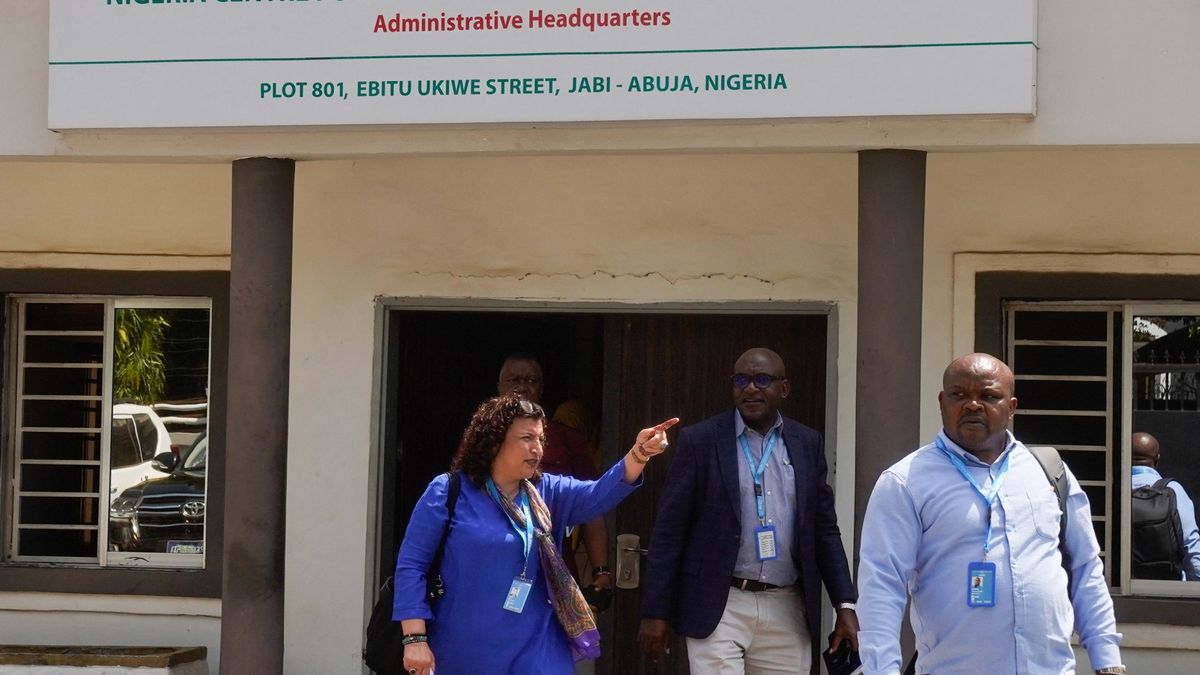
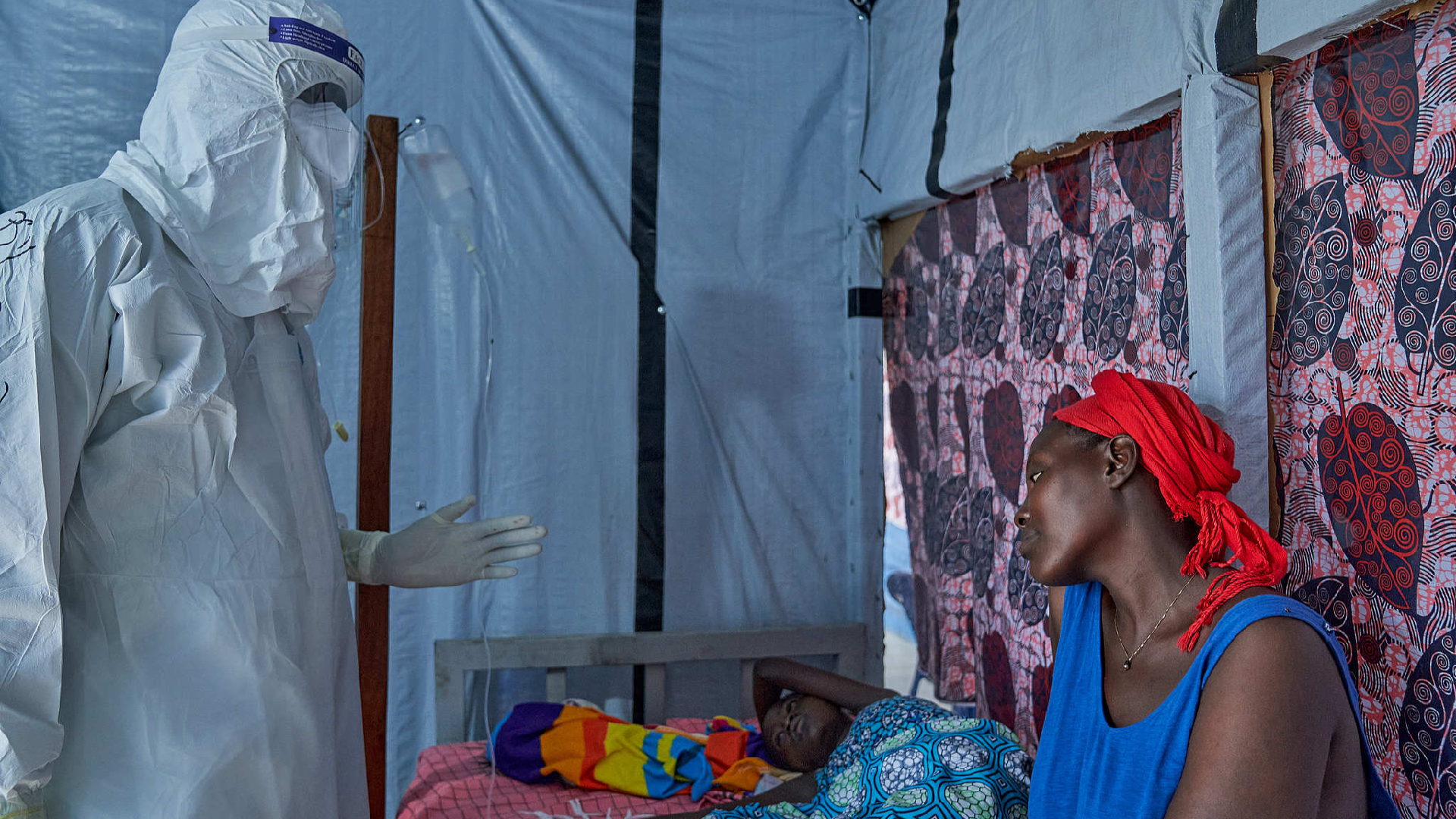
On 21 October 2026 the Nigeria Centre for Disease Control and Prevention announced that a 38‑year‑old diplomat who arrived from Uganda tested positive for the Bundibugyo strain of Ebola. Molecular testing at the NCDC public‑health laboratory confirmed the result, a finding later validated by the World Health Organization. The patient, whose condition has deteriorated into multi‑organ failure, was placed in isolation at a federal treatment centre in Abuja. Health officials have traced 44 contacts, most of them frontline healthcare workers, and are monitoring passengers who shared the flight from Uganda. The case marks the first detection of the current outbreak in West Africa, joining DR Congo, Uganda, and Kenya as nations already grappling with the disease.
The emergence of Ebola in Nigeria activates a web of institutional incentives and constraints. The NCDC operates under a budget that spikes only after high‑profile crises, creating a reactive rather than preventive posture. At the continental level, the African Union’s health agenda relies on member states to fund joint surveillance, yet many economies are still recovering from pandemic‑related debt, limiting their willingness to allocate resources to a disease that appears sporadic. The WHO provides technical guidance and limited emergency stockpiles, but its ability to dispatch vaccines is hampered by the absence of an approved prophylactic for the Bundibugyo variant. Meanwhile, donor nations see health security as a component of broader geopolitical stability; a flare‑up in a populous market like Nigeria could threaten trade routes and foreign investment, prompting discreet diplomatic pressure to ensure swift containment. The power calculus therefore balances national sovereignty, regional solidarity, and external strategic interests, each shaping how quickly resources flow to the front lines.
- Healthcare workers: Of the 44 identified contacts, 28 are nurses, doctors, and lab technicians who risk infection each time they enter the isolation ward. Their exposure underscores chronic shortages of personal protective equipment and the psychological strain of treating a disease with a mortality rate exceeding 50 %.
- Diplomat and family: The patient’s husband, a Swiss national, and her extended family face both medical uncertainty and diplomatic fallout. Their status grants access to better care, yet the stigma attached to Ebola can isolate them socially, affecting livelihoods and future mobility.
- Broader community: Residents of Abuja’s surrounding districts experience heightened fear, leading to reduced patronage of clinics and markets. Past outbreaks have shown that fear can trigger secondary health crises, as routine vaccinations and maternal care are postponed, increasing morbidity unrelated to Ebola itself.
Official statements emphasize swift isolation and contact tracing, but they downplay three critical gaps. First, there is vaccine gaps: no licensed vaccine exists for the Bundibugyo strain, leaving the population reliant on experimental regimens that are costly and logistically complex. Second, political narratives often frame the outbreak as an imported incident, diverting attention from systemic under‑investment in laboratory capacity and border health checkpoints across the region. Third, international aid is portrayed as generous and unconditional, yet many donor packages are tied to data‑sharing agreements that limit African agencies’ autonomy in decision‑making. These omissions create a false sense of control while the underlying vulnerabilities remain unaddressed.
- Cross‑border surveillance: Watch for the outcome of the African Centres for Disease Control and Prevention’s upcoming ministerial meeting, where proposals for a unified digital tracking platform will be debated.
- Vaccine development: Monitor announcements from biotech firms in Europe and the United States regarding trials of a multivalent Ebola vaccine that could cover the Bundibugyo lineage.
- Regional coordination: The speed and transparency of information sharing between Nigeria, Uganda, and DR Congo will signal whether the continent can move beyond ad‑hoc responses to a coordinated health security architecture.
- Public sentiment: Social media chatter and local news coverage will reveal whether fear translates into compliance with health directives or fuels misinformation that could hinder containment efforts.
A diplomat traveled from Uganda to Abuja on 3 October 2026. After developing symptoms, she was tested on 19 October and confirmed positive for the Bundibugyo strain.
There is currently no approved vaccine or specific antiviral for the Bundibugyo variant. Care focuses on supportive therapy, isolation, and experimental protocols where available.
The NCDC has identified 44 contacts and is tracing passengers from the same flight. The Africa CDC plans a ministerial meeting to strengthen cross‑border response and review hospital capacity.
Source referenced: ALJAZEERA
This brief was synthesized by our Editorial Engine and reviewed by The Ground Narrative team.