TRENDING

Tuesday, 22 September 2026
----------------------
11 Rabi' Al-Thani 1448 AH
Nigeria's sugar tax, introduced in 2022 to combat rising diabetes and non-communicable diseases, has lost its effectiveness due to inflation. Experts warn that the tax's impact erodes over time, and its design is flawed, failing to target formulation. The beverage industry's pushback and the government's inaction have hindered the policy's success.
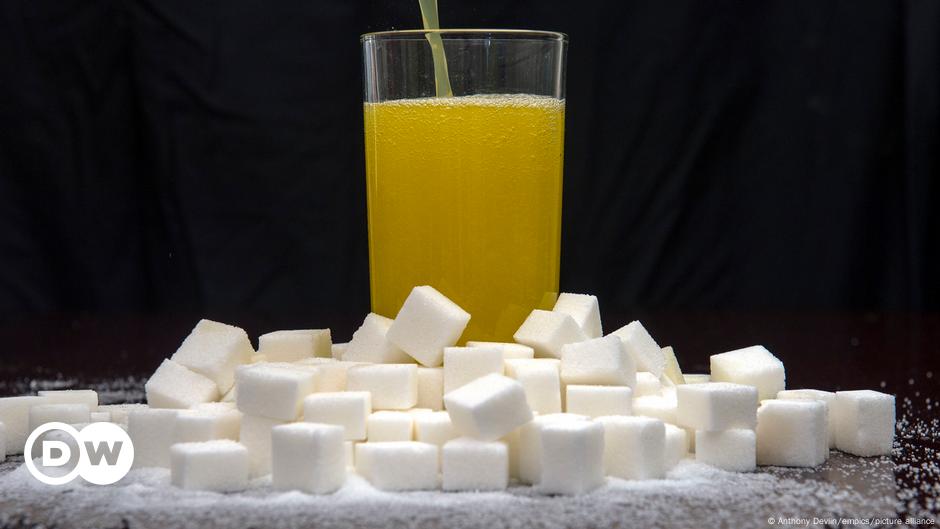
Nigeria's sugar tax, introduced in 2022 to combat rising diabetes and non-communicable diseases, has lost its effectiveness due to inflation. The tax, initially set at 10 Naira ($0.65, €0.57 cents) per liter, was expected to discourage excessive sugar consumption while generating revenue for healthcare. However, the levy has become too weak to influence consumer behavior and change health outcomes.
Since the tax was introduced, Nigeria has experienced a cocktail of economic shocks, especially following the removal of the fuel subsidy, which has further exacerbated the country's cost-of-living crisis. Food prices have soared, while the prices of beverages and household items have equally climbed sharply. For many Nigerians, the cost of soft drinks has more than doubled over the last few years, largely due to inflation and rising production costs rather than the sugar tax itself.
The SSB tax currently represents just 2% of a bottle's cost, down from 6.7% five years ago, when the tax was introduced. This reduction in the tax's impact is due to inflation, which has eroded the purchasing power of the tax. The design of the tax is also flawed, failing to target formulation. If the tax is fixed and is not based on the sugar content or sugar volume, then there is really no incentive for the industry to change their formulas or recipes, or reduce the sugar content in their drinks.
The campaign for a raise has not gone down well with the beverage industry. During a parliamentary hearing, the Manufacturers Association of Nigeria (MAN) opposed the proposed amendment, arguing that an increase could trigger job losses in the manufacturing sector and raise operational costs. However, experts argue that the debilitating impact of sugary beverage-related diseases is more severe on the economy than what the industry would have paid in tax revenue.
The failure of Nigeria's sugar tax has significant implications for the region. The country's high consumption of sugar and sweetened beverages is linked to type 2 diabetes, which is a major health concern in Africa. The World Health Organization (WHO) estimates that non-communicable diseases (NCDs) account for 29% of deaths in Nigeria. If left unchecked, the consequences of inaction will be severe, with millions of Nigerians likely to suffer from diabetes and other diet-related NCDs.
Nigeria's sugar tax has failed to achieve its intended goals due to inflation and a flawed design. The beverage industry's pushback and the government's inaction have hindered the policy's success. To address this issue, experts recommend indexing the tax to inflation, tying revenue to health budgets, and pairing it with mandatory warning labels. If implemented effectively, these measures could help reduce the burden of non-communicable diseases in Nigeria and set a positive example for the region.