TRENDING

Monday, 5 October 2026
----------------------
24 Rabi' Al-Thani 1448 AH
Sri Lanka's prison system is on the brink of collapse, with riots leaving three dead and 23 injured. The crisis is rooted in overcrowding, poor conditions, and a backlog of court cases. As the government struggles to respond, the human cost of neglect and mismanagement is becoming increasingly clear.
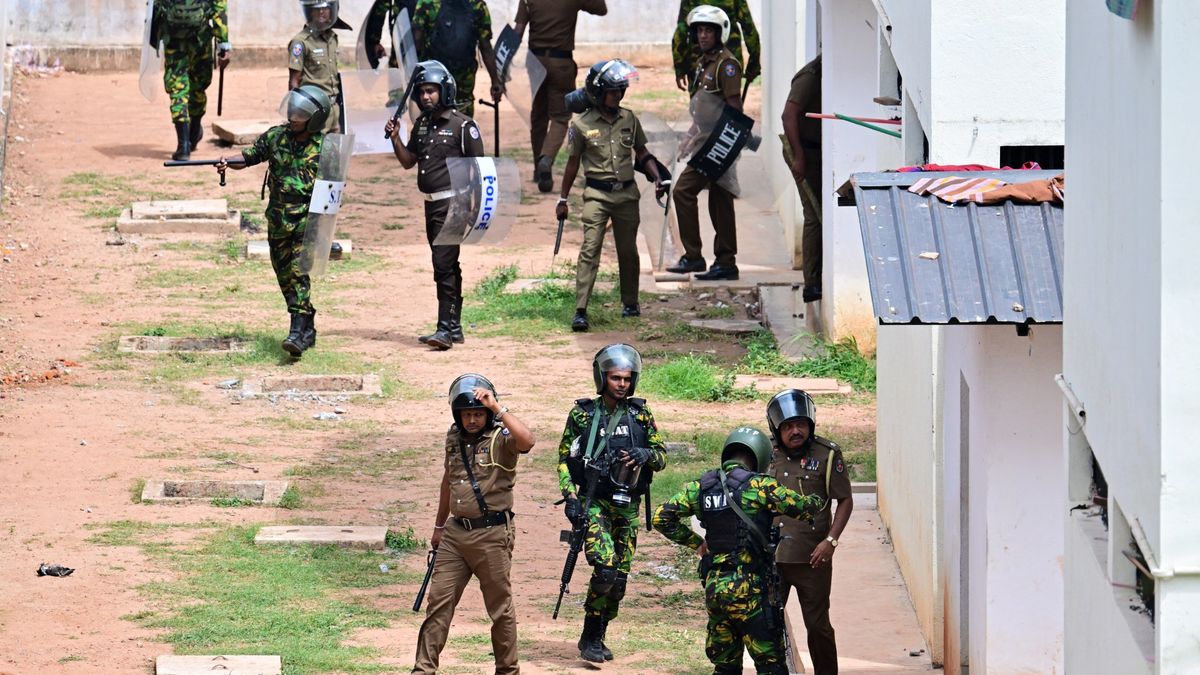
A series of prison riots in Sri Lanka has left three inmates dead and 23 injured, highlighting the deep-seated crisis in the country's prison system. The riots, which occurred at three separate prisons, were sparked by a combination of factors, including overcrowding, poor conditions, and tensions between rival gangs.
The Sri Lankan government is facing a perfect storm of challenges, from a crippling economic crisis to a backlog of over one million court cases. The prison system, designed to hold 10,000 inmates, is currently housing over 39,000, with many prisoners awaiting trial for alleged narcotics-related offenses. Recent laws tightening bail conditions have exacerbated the problem, leaving many suspects languishing in prison for extended periods. The government's response to the crisis has been inadequate, with Public Security Minister Ananda Wijepala acknowledging that the riots may have been coordinated and hinting at sabotage.
The people bearing the human cost of this crisis are the prisoners themselves, many of whom are awaiting trial and have not been convicted of any crime. The conditions in Sri Lankan prisons are dire, with overcrowding, poor sanitation, and inadequate access to healthcare. The riots have also highlighted the deep-seated tensions between rival gangs and the lack of effective management within the prison system. As Senaka Perera, president of the Committee for Rights of Prisoners, noted, the prisoners have been patient for a long time, but the situation is now at a breaking point.
What is being downplayed in the official narrative is the role of government policies in exacerbating the crisis. The tightening of bail conditions, for example, has led to a surge in prison populations, while the lack of investment in the prison system has created an environment ripe for unrest. The government's plans to amend the constitution to extend the tenure of superior court judges may help to clear the backlog of court cases, but it does not address the underlying issues of overcrowding and poor conditions. The fact that many prisoners are being held for alleged narcotics-related offenses also raises questions about the effectiveness of Sri Lanka's drug policies and the impact on vulnerable communities.
As the situation in Sri Lanka's prisons continues to deteriorate, readers should watch for signs of a more comprehensive response from the government. This could include investments in prison infrastructure, reforms to the bail system, and efforts to address the root causes of the crisis, such as poverty and lack of opportunities. The international community should also be vigilant, as the crisis in Sri Lanka's prisons has the potential to destabilize the entire region. With the government facing multiple challenges, from economic crisis to political instability, the situation in the prisons is a ticking time bomb that requires urgent attention.
Editor's Note: The analysis is based on publicly available information and may not reflect the full complexity of the situation on the ground.
Source referenced: ALJAZEERA
This brief was synthesized by our Editorial Engine and reviewed by The Ground Narrative team.


