TRENDING

Monday, 5 October 2026
----------------------
24 Rabi' Al-Thani 1448 AH
The United States pulled its strategic bombers from RAF Fairford after a suspected terrorist plot, exposing alliance strains and local economic shock. The move also tightens the diplomatic knot around Iran and Western security policy.
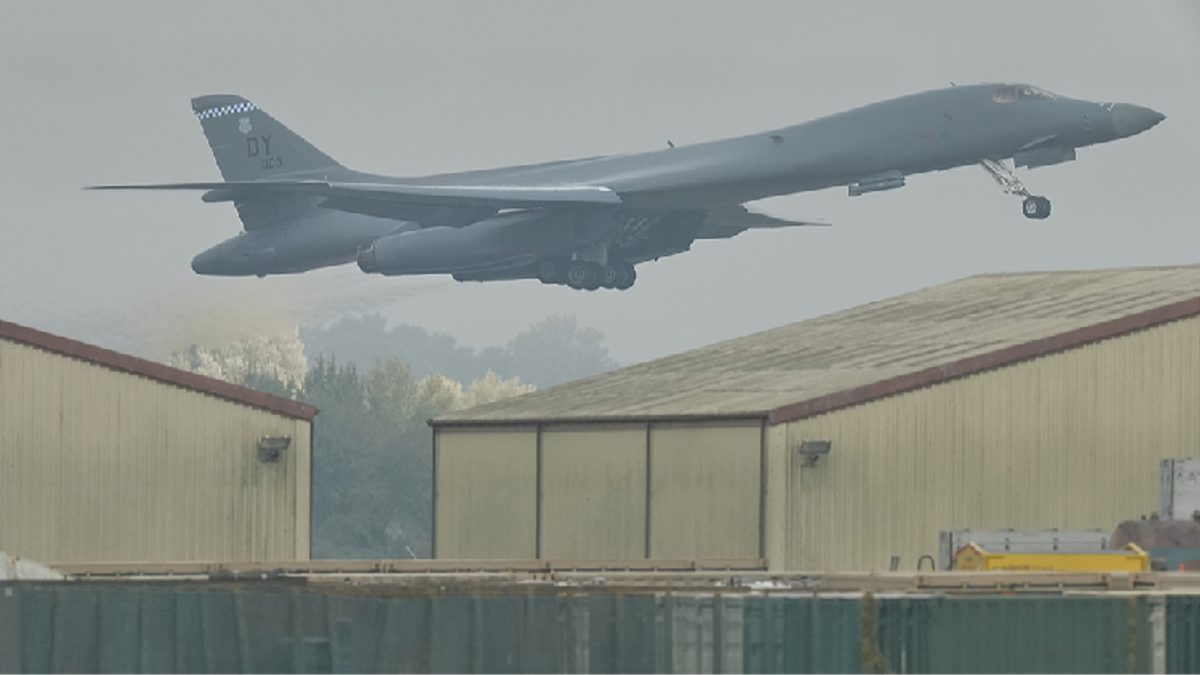
The United States ordered every bomber stationed at RAF Fairford back to American soil this week, citing an ongoing security investigation near the base. The pull‑out follows a police operation that arrested several men – including a dual British‑Iranian national – on suspicion of plotting an attack on the airfield.
The decision sits at the intersection of three powerful currents. First, the U.S.–U.K. defence partnership has long relied on forward‑deployed assets to reassure European allies and to project power into the Middle East. By keeping B‑1 and other strategic bombers on British soil, Washington short‑circuits the time needed to launch strikes against targets such as Iran’s missile facilities.
Second, domestic politics in both capitals shape the calculus. In Washington, the upcoming mid‑term elections have made any perceived vulnerability a political liability for the Pentagon and the incumbent administration. A high‑profile security breach near a flagship base offers opponents a ready talking point about the cost of overseas deployments. Across the Channel, Prime Minister Andy Burnham faces pressure from a public increasingly wary of foreign‑military footprints on British soil, especially after a series of high‑profile terrorist incidents.
Third, the episode dovetails with the broader strategic rivalry with Iran. Since the 2025 escalation, U.S. bombers have been used to strike Iranian missile sites, a policy that Tehran has condemned as an act of aggression. The alleged involvement of an Iranian‑linked suspect gives Washington a pretext to tighten its posture, while also allowing it to claim decisive action against a perceived threat without escalating to a full‑scale confrontation.
The move also reflects a logistical reality: modern long‑range bombers can now launch from the continental United States with comparable speed thanks to aerial refuelling and advanced navigation. By redeploying the fleet, the U.S. Air Force signals that its deterrent does not depend on permanent overseas basing, thereby reducing the political cost of stationing nuclear‑capable platforms abroad.
RAF Fairford is more than a runway; it is a small economic engine for the surrounding Cotswold villages. The base employs hundreds of civilian staff, from maintenance crews to catering workers, many of whom commute from nearby towns. The sudden withdrawal of aircraft means a sharp drop in daily activity, cutting overtime hours and threatening contract renewals for local suppliers of fuel, food, and security services.
For the airmen and support personnel stationed at Fairford, the redeployment disrupts family routines and career plans. Some service members had arranged schooling for their children in the U.K., while others were on temporary duty assignments that now require abrupt relocation. The psychological impact of being pulled back amid a security scare adds a layer of stress that is rarely quantified in official briefings.
The bombers were a key element of the U.S. campaign against Iranian missile sites. Their removal could limit the speed of future strikes, potentially prolonging the conflict and exposing civilian populations in the Middle East to continued hostilities. Conversely, the perceived de‑escalation may embolden Iranian hardliners, who could respond with asymmetric attacks that again place ordinary citizens – both in Iran and in Europe – at risk.
Official statements from the Pentagon emphasized “operational security” and the ability to conduct missions from the continental United States, downplaying any direct link to the alleged Iranian plot. By framing the move as a routine logistical adjustment, Washington avoids admitting that a foreign‑state‑backed threat could compromise its forward basing strategy.
Prime Minister Burnham publicly hinted at Iranian involvement, yet British officials have stopped short of formally accusing Tehran. This ambivalence serves two purposes: it pressures Iran without fully committing to a diplomatic showdown, and it shields the U.K. government from accusations of overreacting to a domestic security incident that could inflame anti‑immigrant sentiment.
The redeployment triggers a cascade of contracts for aircraft ferrying, maintenance at U.S. bases, and spare‑part shipments. Companies like Boeing and Lockheed Martin stand to gain from the logistical shuffle, yet their financial windfalls rarely appear in the public narrative. The narrative focus remains on security, while the economic beneficiaries stay in the background.
While the incident involves two NATO members, the alliance’s official communiqués have been conspicuously brief. By not foregrounding the episode, NATO avoids exposing fissures that could be exploited by adversaries seeking to undermine the credibility of Article 5 commitments.
The next weeks will reveal whether the U.S. reinstates a bomber presence at Fairford or adopts a more permanent shift toward continental basing. Watch for statements from the U.S. Department of Defense about “future force posture” and any parliamentary debates in London about the strategic value of hosting foreign bombers.
Equally important is the trajectory of the investigation into the suspected Iranian link. A formal indictment or diplomatic protest could trigger a reciprocal escalation, while a quiet closure might signal back‑channel negotiations that remain invisible to the public.
Finally, monitor the economic ripple effects in the Cotswolds. Local council minutes, business association releases, and employment data will show whether the community can absorb the shock or whether the base’s departure becomes a rallying point for broader anti‑military sentiment in the U.K.
In sum, the removal of US bombers from RAF Fairford is more than a tactical footnote; it is a prism through which alliance politics, domestic pressures, and the human cost of great‑power rivalry are refracted. Keeping an eye on the evolving narrative will help ordinary citizens understand who truly benefits, who bears the burden, and what the next chapter of this unfolding story may hold.
The pull‑out followed a suspected terrorist plot near the base and was framed as a precautionary security measure, while also allowing the U.S. to showcase its ability to launch missions from the continental United States.
The base supports hundreds of civilian jobs and local suppliers; its sudden quieting reduces overtime, threatens contracts, and creates economic uncertainty for nearby towns that depend on the military presence.
If investigations confirm Iranian involvement, diplomatic protests or retaliatory strikes could follow, raising the risk of further escalation between Tehran and Western powers.
Source referenced: CGTN
This brief was synthesized by our Editorial Engine and reviewed by The Ground Narrative team.


