TRENDING

Monday, 5 October 2026
----------------------
24 Rabi' Al-Thani 1448 AH
The two‑leg Nations League tie between Ireland and Israel erupted into a political showdown, with black armbands, refused handshakes and spitting accusations. This analysis uncovers the power structures driving the drama and the people who bear its fallout.
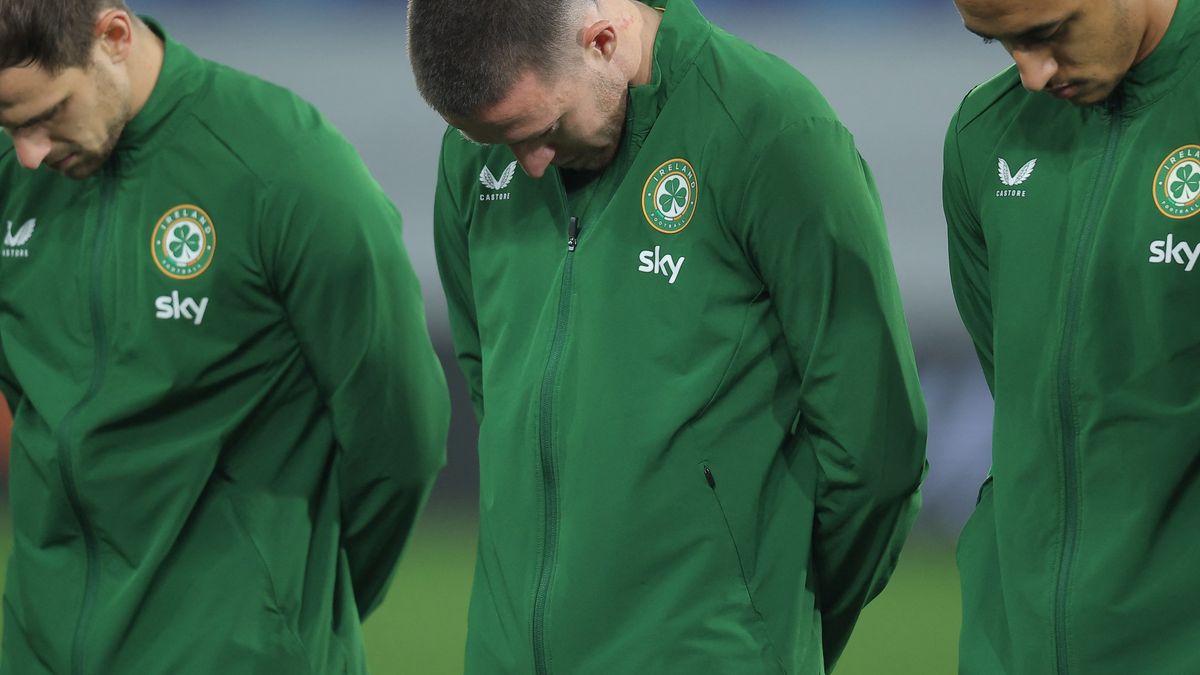
The second leg of the League 3 Group B tie took place behind closed doors in Serbia, ending 1‑1 after Ireland's 3‑0 win in the first match. From the start, the Irish squad refused the customary handshakes, wore black armbands for Gaza victims and bowed during Israel's anthem. Mid‑half‑time, Irish coach Damien Doyle alleged an Israeli player spat at him, a claim that remains under investigation. The match concluded without spectators, but the tension lingered, prompting the Irish manager to declare relief that the fixture was over.
The episode was not a spontaneous flare‑up; it was the product of intersecting incentives. Domestically, Irish public opinion leans heavily toward Palestinian solidarity, pressuring the Football Association of Ireland (FAI) to signal opposition to Israel's Gaza campaign. The FAI, led by CEO David Courell, leveraged the match as a platform for a broader diplomatic message, coordinating with UEFA to allow the handshake boycott and armband display. UEFA, meanwhile, balances its commercial interests—broadcast rights, sponsorships, and a pan‑European fan base—against a growing expectation to police political expressions on the field. Its draw‑rules already separate teams for geopolitical reasons, yet it stopped short of re‑assigning the group, illustrating a calculated tolerance for low‑level protest that does not threaten the tournament's marketability.
On the Israeli side, the government views sport as a soft‑power tool to counter international isolation. By fielding a team that also wore black armbands—this time marked with “7.10” referencing the Oct 7 attacks—Israel signaled resilience and framed the narrative around its own victimhood. The Israeli Football Association thus found itself defending national dignity while navigating accusations of misconduct. Both federations also faced pressure from sponsors eager to avoid brand damage; corporate donors quietly urged restraint, but the political stakes for each side outweighed short‑term commercial concerns.
The most visible casualties were the athletes themselves. Irish players reported heightened anxiety, describing a “breaking limit” as they juggled on‑field duties with off‑field moral expectations. Midfielder Finn Azaz, whose mother is Israeli, was benched for both games, a decision that spared him personal backlash but underscored the personal toll of identity politics in sport. Israeli players faced accusations of unsportsmanlike conduct, a charge that could tarnish future club contracts and national reputation.
Fans on both sides experienced a clash between sport fandom and political conviction. Irish supporters, many of whom organized online petitions, felt their voices were finally reflected on the pitch, yet they also mourned the loss of a traditional match atmosphere. Israeli supporters, largely unable to attend due to the closed‑door setting, grappled with a sense of exclusion and the perception that their nation was being singled out for collective punishment.
Beyond the stadium, families of the players endured media scrutiny and social media vitriol. Irish families of mixed heritage, like Azaz's, navigated a fraught public discourse that forced private identities into the spotlight. Israeli families, meanwhile, contended with a narrative that linked their loved ones to a broader conflict they did not control, adding emotional strain to an already volatile situation.
Official statements from UEFA and the FAI emphasized procedural compliance and the “right to peaceful protest,” but they omitted discussion of the financial calculus behind allowing the match to proceed. Broadcasting contracts for the Nations League guarantee revenue regardless of attendance, meaning the governing bodies could tolerate a politically charged fixture without immediate monetary loss.
Israeli media downplayed the spitting allegation, framing it as a “misunderstanding” while emphasizing the team’s own symbolic armband. This narrative shift diverts attention from potential disciplinary action that could set a precedent for future on‑field conduct investigations.
In Dublin, the Irish government’s foreign ministry stayed silent, avoiding a direct stance that could alienate either the pro‑Palestinian electorate or diplomatic partners in the Middle East. By staying out of the public debate, the state implicitly allowed the FAI to become the primary conduit for Ireland’s foreign policy expression, a subtle transfer of soft‑power that is rarely acknowledged.
Corporate sponsors, many of which have significant market exposure in both Europe and the Middle East, issued generic statements about “respect for all fans” while quietly lobbying UEFA behind the scenes to prevent a broader boycott that could jeopardize advertising spend in the region.
The next UEFA draw will be a litmus test for how the organization balances commercial imperatives with political sensitivities. If UEFA moves to separate Ireland and Israel in future cycles, it could signal a shift toward more proactive conflict avoidance. Conversely, a decision to keep them together may embolden other national teams to stage similar protests, raising the stakes for disciplinary consistency.
Watch for any formal disciplinary ruling on the alleged spitting incident; a sanction could establish a precedent for handling politically charged misconduct. Additionally, monitor public opinion polls in Ireland and Israel—shifts could influence upcoming elections and, by extension, foreign policy stances toward the Gaza conflict. Finally, keep an eye on sponsor behavior; a withdrawal or re‑allocation of funding would reveal how far commercial interests will go to distance themselves from politically volatile events.
The intersection of sport, identity, and geopolitics in this match illustrates that a football pitch can become a proxy battlefield, with power players—governments, federations, and corporations—often preferring to keep the most contentious details out of the spotlight.
The Irish Football Association organized the handshake boycott as a silent protest against Israel's war in Gaza, a move approved by UEFA to avoid on‑field conflict.
If UEFA opens a disciplinary case and finds evidence, the player could face a suspension, setting a precedent for handling politically charged misconduct on the field.
Source referenced: ALJAZEERA
This brief was synthesized by our Editorial Engine and reviewed by The Ground Narrative team.


