TRENDING

Monday, 5 October 2026
----------------------
24 Rabi' Al-Thani 1448 AH
The arrest of a US Marine in Okinawa for the alleged killing of a local woman has ignited widespread outrage across Japan. This incident highlights the deep-seated tensions surrounding the extensive US military presence and the controversial Status of Forces Agreement on the island.
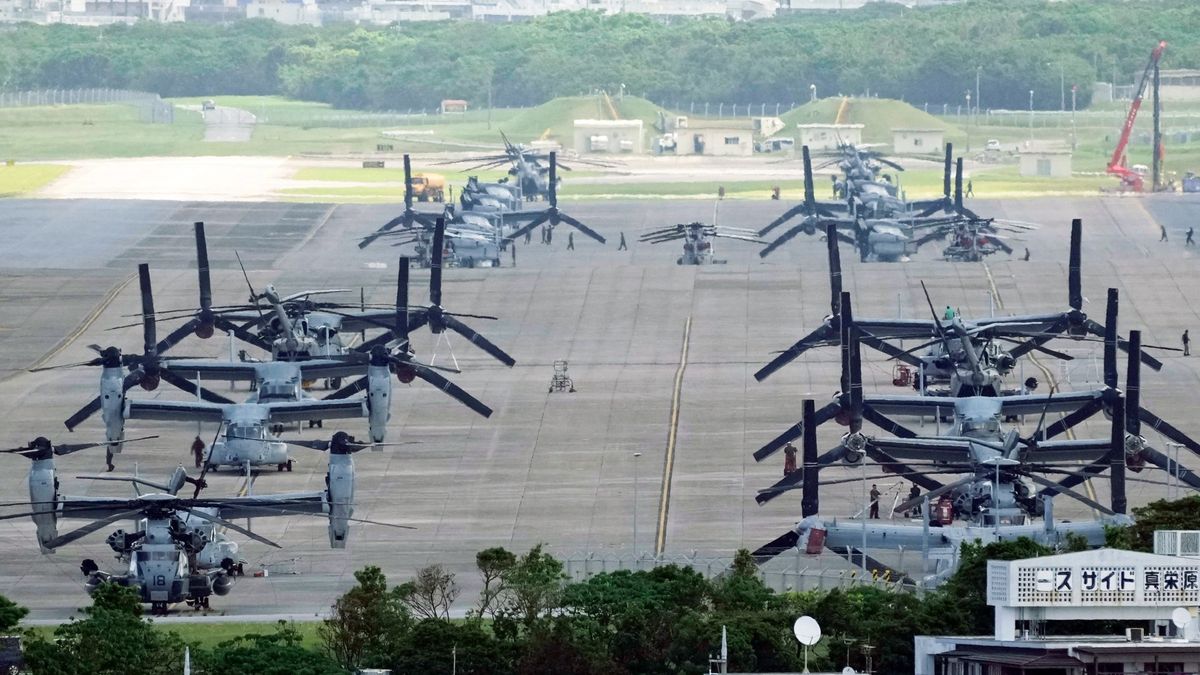
Outrage is sweeping across Japan, particularly on the southern island of Okinawa, following the arrest of a US Marine on suspicion of murder and theft. The 20-year-old Marine, stationed in Okinawa, was taken into custody by Japanese police for the alleged killing of a 39-year-old woman in a hotel in Naha, the island's capital. Japanese Prime Minister Sanae Takaichi swiftly condemned the incident as a “heinous crime” and publicly called on the United States to ensure “thorough discipline” among its personnel and provide full cooperation with the ongoing investigation. This incident has reignited long-standing grievances and protests against the significant US military presence on the island, where the majority of the 54,000 US troops in Japan are based.
The incident in Okinawa is not an isolated crime but a symptom of a deeply entrenched power imbalance rooted in the post-World War II security architecture of East Asia. At its core, the presence of US military forces in Japan, particularly the concentration in Okinawa, serves American strategic interests: projecting power across the Indo-Pacific, deterring China and North Korea, and maintaining regional stability that benefits US economic and geopolitical standing. For Japan, the alliance with the US provides a crucial security umbrella, allowing it to maintain a pacifist constitution while benefiting from advanced military protection.
The linchpin of this arrangement is the Status of Forces Agreement (SOFA), a bilateral treaty that dictates the legal jurisdiction over US military personnel in Japan. Under SOFA, the US retains primary jurisdiction over its service members for offenses committed while on duty, and in many cases, even for off-duty crimes, until they are formally indicted by Japanese authorities. This legal framework often means that US personnel accused of crimes are held in US custody, making Japanese investigations and prosecutions complex and often frustrating for local authorities and the public. This perceived immunity, or at least preferential treatment, fuels resentment and a sense of injustice among the local population, who feel their sovereignty is undermined.
Okinawa bears a disproportionate share of the US military footprint, hosting approximately 70% of US facilities and personnel in Japan, despite comprising less than 1% of Japan's total land area. This concentration is a legacy of its unique history: occupied by the US after World War II and only returned to Japanese administration in 1972. Even after its return, the island remained a critical strategic outpost for the US, transforming it into a de facto military colony. The Japanese central government in Tokyo, while expressing regret and demanding discipline, is caught between the imperative of maintaining the vital US alliance and responding to the legitimate grievances of its citizens, especially those in Okinawa. The economic incentives offered by the bases, such as jobs and local spending, are often cited, but these are frequently outweighed by the social costs and the stifling of alternative economic development.
The power dynamic is clear: the strategic value of the US-Japan alliance for both nations' foreign policy and defense objectives often takes precedence over the specific concerns and daily realities of the Okinawan people. The Japanese government's calls for
Source referenced: ALJAZEERA
This brief was synthesized by our Editorial Engine and reviewed by The Ground Narrative team.


