TRENDING

Monday, 5 October 2026
----------------------
24 Rabi' Al-Thani 1448 AH
In Aden, frequent blackouts turn homes into ovens and hospitals into ticking clocks, leaving patients, students and workers scrambling for shade, solar panels and generators.
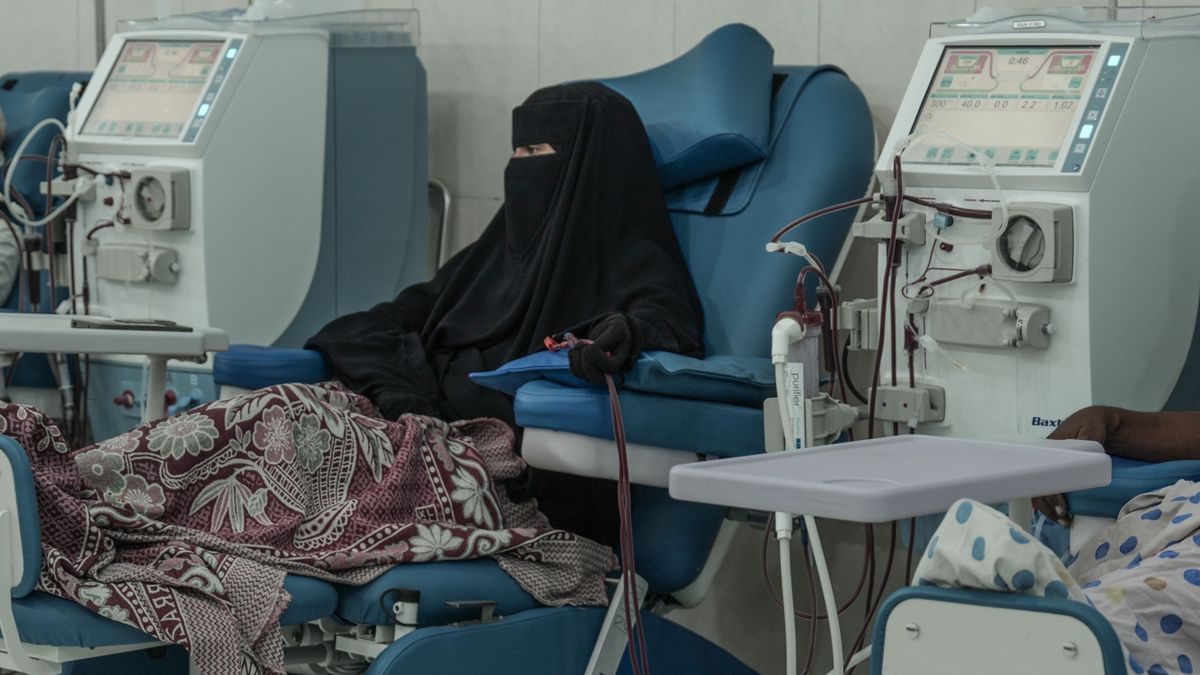
In early October 2026, photojournalists documented the daily reality of Aden, Yemen’s second‑largest city: hospitals operating on intermittent electricity, classrooms sweltering in darkness, and families seeking refuge on the coastline. The International Monetary Fund reported that the city now receives only two to six hours of grid power per day, a sharp decline from the already low pre‑war coverage of about 55 % of the population.
The crisis is not a sudden glitch; it is the product of layered incentives and structural decay. Before 2015, Yemen’s electricity network suffered from chronic under‑investment, a legacy of weak state capacity and limited fiscal space. The civil war shattered transmission lines, damaged generation plants, and halted routine maintenance. Fuel shortages—exacerbated by blockades in the Red Sea and rising insurance premiums for tanker shipments—have turned generators into luxury items rather than reliable back‑ups.
International donors, chiefly the Gulf Cooperation Council, have funneled money into emergency health kits and solar pilots, but these funds are often earmarked for short‑term relief rather than grid reconstruction. The IMF’s assessment highlights a “structural weakness” that cannot be solved by simply buying more diesel; it requires a coordinated overhaul of transmission, distribution, and tariff policy—an undertaking that would demand political stability and a willingness to confront entrenched patronage networks.
Meanwhile, private actors have stepped into the vacuum. Solar panel installers and battery vendors market low‑cost kits to households that can afford a modest upfront payment. Larger commercial entities, including some multinational energy firms, are eyeing the market for micro‑grids, betting on a future where the state’s grid remains unreliable. This creates a dual‑track system where wealthier neighborhoods enjoy solar resilience while poorer districts cling to flickering candles.
For chronic patients like Zeina Ahmed, a kidney‑failure sufferer who travels to Aden’s main hospital for dialysis, each blackout is a life‑or‑death gamble. Dialysis machines need continuous power; a sudden cut can damage equipment and jeopardize treatment schedules. Hospital staff scramble to switch to generator mode, but fuel deliveries are erratic, and generators themselves require regular maintenance that is often postponed due to cash shortages.
In classrooms, teachers report that more than 7,000 students and staff have endured exams in stifling heat, with some pupils fainting from hyperthermia. When the lights fail, learning shifts to the street, where children play football under the glare of battery‑powered lamps. The lack of refrigeration also means that school meals spoil quickly, adding nutritional stress to already strained families.
The average household now budgets a significant portion of its income for alternative power—solar panels, batteries, or diesel generators. Those who cannot afford such solutions endure food spoilage, lost work hours, and health risks from heat‑related illnesses. The sea becomes a communal cooling room; men like Youssef spend evenings on the waterfront, hoping the breeze will offset the indoor furnace created by a powerless home.
International statements often frame the response as “humanitarian assistance,” emphasizing food parcels, medical kits, and temporary generators. What is omitted is a frank acknowledgment that without a functional grid, any aid remains a stopgap. The World Health Organization supplied 4.33 million litres of fuel in 2025, yet it does not address the systemic fuel‑price volatility driven by insurance hikes and maritime insecurity.
Insurance firms have raised premiums on tankers delivering diesel to Aden, citing heightened piracy and conflict risk. These cost increases are rarely disclosed in public briefings, but they directly translate into higher fuel prices for generators, squeezing already cash‑strapped hospitals and households. The narrative of “market forces” masks the geopolitical leverage that maritime security actors hold over Yemen’s energy lifelines.
Both the Saudi‑backed government and the Houthi opposition benefit from a fragmented power sector. Control over electricity distribution can be wielded as a bargaining chip in cease‑fire talks, while reconstruction projects become patronage opportunities for local elites. By keeping the grid weak, each side preserves leverage over civilian populations, ensuring that any peace settlement must address power as a core demand.
The next six months will reveal whether the current patchwork of solar kits and donor‑funded generators can evolve into a scalable, resilient energy model. Key indicators include: (1) any shift in tanker insurance rates that could lower diesel costs; (2) the rollout of micro‑grid pilots backed by international development banks; (3) diplomatic moves in the Red Sea that might ease maritime security and restore regular fuel shipments; and (4) political negotiations that explicitly tie cease‑fire clauses to concrete electricity‑rebuilding milestones. Observers should also track community‑level innovations—such as cooperative battery banks—that could redefine how power is shared in a city where the lights are never guaranteed.
Hospitals rely on continuous electricity for life‑support equipment, operating rooms, labs and vaccine storage. When the grid fails, they must switch to generators that run on scarce diesel, causing delays, equipment failures and increased risk for patients like dialysis users.
Many families install solar panels and battery systems, while others purchase diesel generators. Schools and some hospitals have adopted hybrid solar‑generator setups, but access remains uneven, leaving poorer neighborhoods dependent on candles and limited battery power.
Source referenced: ALJAZEERA
This brief was synthesized by our Editorial Engine and reviewed by The Ground Narrative team.