TRENDING

Monday, 5 October 2026
----------------------
24 Rabi' Al-Thani 1448 AH
A recent nationwide poll in Japan reveals that a significant majority of the public believes Prime Minister Sanae Takaichi should prioritize improving relations with China, despite her government's hardline stance on Taiwan. This sentiment highlights a growing disconnect between official foreign policy and the desires of ordinary citizens.
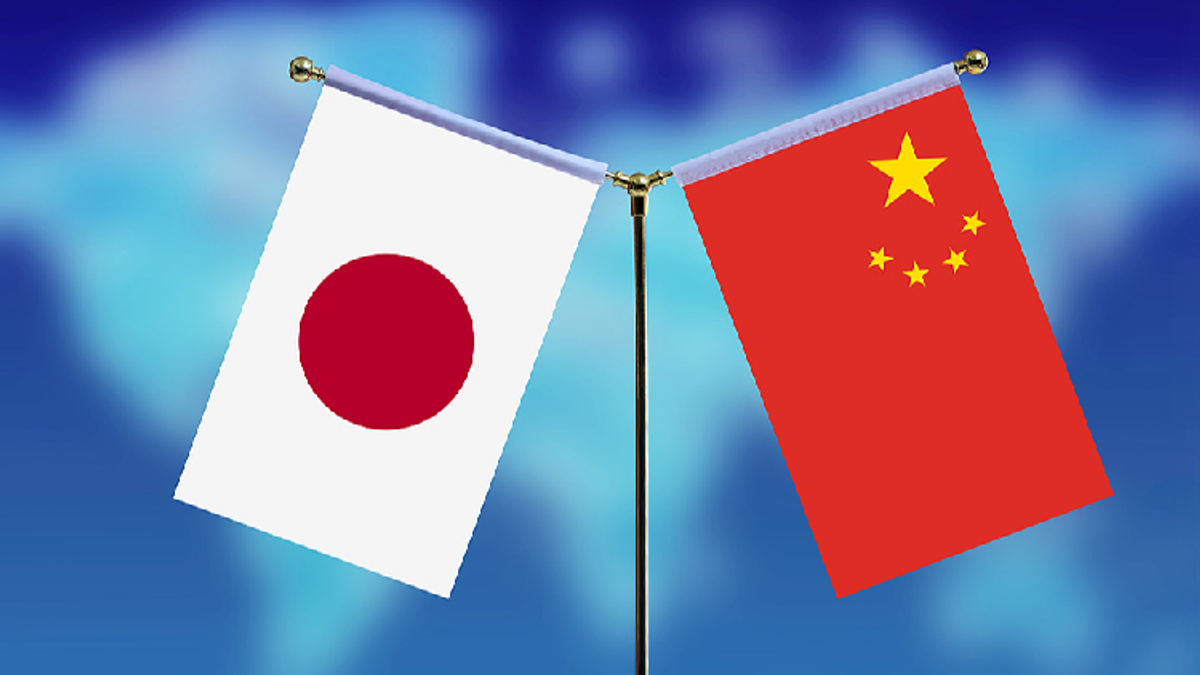
A recent telephone poll conducted by The Asahi Shimbun in Japan has revealed a clear public mandate for diplomatic de-escalation with China. A substantial 57% of respondents believe that Prime Minister Sanae Takaichi should intensify efforts to improve relations with Beijing. This sentiment persists even among supporters of the Takaichi Cabinet, with 51% advocating for better ties. The poll emerges after Takaichi's controversial remarks last year, where she characterized a potential Taiwan contingency as a "survival-threatening situation" for Japan, implying the right to collective self-defense. This diplomatic friction is compounded by a noticeable decline in public approval for Takaichi's summit with US President Donald Trump and widespread dissatisfaction with her government's handling of persistent inflation and proposed economic measures.
The public's call for improved ties with China exposes a complex web of power dynamics shaping Japan's foreign policy. Prime Minister Takaichi's initial hardline stance on Taiwan can be understood as a strategic maneuver to solidify her conservative base, align Japan more closely with Washington's Indo-Pacific security architecture, and project an image of national strength. By framing a Taiwan contingency as an existential threat, her government can justify increased defense spending and a more assertive military posture, appealing to nationalist sentiments and security hawks within the ruling Liberal Democratic Party (LDP).
However, this approach runs headlong into Japan's deep economic interdependence with China. China remains Japan's largest trading partner, and any significant deterioration in relations carries immense economic risks for Japanese businesses, supply chains, and consumers. The government's rhetoric often downplays the practical implications of such a stance on the daily lives of its citizens. The poll results indicate that the Japanese public, facing persistent inflation and economic uncertainty, is prioritizing stability and economic pragmatism over a confrontational foreign policy.
Adding another layer of complexity is the evolving dynamic between the United States and China. While Japan and the US maintain a robust security alliance, Washington has recently shown signs of increasing dialogue with Beijing, seeking to manage competition and prevent escalation. This shift leaves Japan in a precarious position. As Japanese scholars like Shin Kawashima point out, if US-China dialogue intensifies while Japan-China relations remain a "blank space," Tokyo risks diplomatic isolation within its own strategic triangle. The public's reduced positive assessment of Takaichi's latest summit with President Trump further suggests a perception that Japan's alignment with the US might not be yielding the desired diplomatic dividends, especially if it comes at the cost of strained relations with a crucial neighbor.
Domestically, Takaichi's political capital is eroding. Her government's struggle to contain inflation and the public's skepticism regarding the financing of proposed tax cuts weaken her ability to pursue an unpopular foreign policy. The public's dissatisfaction with her economic strategy provides leverage for those advocating for a more balanced and pragmatic approach to China, making it harder for her to ignore the poll's findings without risking further political instability.
The strained relationship between Japan and China, exacerbated by Prime Minister Takaichi's rhetoric, carries tangible human costs that extend far beyond diplomatic communiqués. At the forefront is the economic strain felt by ordinary Japanese citizens and businesses. Japan's economy is deeply intertwined with China's, from manufacturing supply chains to tourism and consumer markets. Businesses, particularly small and medium-sized enterprises, face uncertainty and potential disruption from any further escalation of tensions, impacting jobs, investments, and ultimately, household incomes. The ongoing inflation, which Takaichi's government has struggled to control, already burdens consumers, and the prospect of diplomatic friction adding to economic instability is a significant source of public anxiety.
The public's concern over a potential Taiwan contingency is not abstract. For many, it represents the risk of regional conflict that could directly impact their lives, their families, and their nation's security. The focus on increased defense spending, while framed as necessary for national security, diverts resources that could otherwise address pressing domestic needs, such as healthcare, education, or social welfare programs. This trade-off becomes particularly acute when the public feels their government is not effectively managing the economy or ensuring their financial well-being.
When Japan-China relations become a "blank space," as described by former Japanese vice foreign minister Hitoshi Tanaka, it means lost opportunities for collaboration on regional issues like climate change, disaster relief, and economic development. For the average Japanese citizen, this translates into a less stable and less prosperous regional environment. Furthermore, the perception of Japan being out of step with its key ally, the United States, in engaging China can foster a sense of diplomatic isolation, making citizens question the effectiveness of their nation's foreign policy on the global stage.
Beyond economics and security, strained relations also impact cultural and people-to-people exchanges, which are vital for fostering understanding and reducing prejudice. Fewer opportunities for tourism, academic collaboration, and cultural events between Japan and China mean a diminished capacity for mutual appreciation and a greater risk of misunderstandings, ultimately affecting the social fabric and future generations who might grow up with a more limited perspective of their closest neighbor.
What often goes unsaid in official statements and government narratives is the full extent of the strategic calculations at play, and the internal contradictions within Japan's foreign policy. While Prime Minister Takaichi's government publicly emphasizes the threat posed by China and the need for a strong security posture, it often downplays the profound economic entanglement that makes a complete decoupling or sustained confrontation highly impractical.
The United States, while encouraging its allies like Japan to take a firm stance on Taiwan and against China's regional assertiveness, simultaneously pursues its own channels of dialogue with Beijing. This creates a strategic ambiguity for Japan. Washington benefits from Tokyo's hardline rhetoric, as it projects a united front in the Indo-Pacific. However, the US also understands the necessity of managing its own relationship with China to avoid direct conflict. The untold story here is that Japan might be left holding a more confrontational bag while the US maintains flexibility, potentially leaving Tokyo diplomatically exposed if US-China relations stabilize without a parallel improvement in Japan-China ties.
The poll results reveal a significant internal division within Japan that the government's official narrative often glosses over. The public's desire for improved China ties, even among LDP supporters, suggests that the government's current approach does not fully reflect the consensus of its populace. This divergence indicates that the hardline stance might be more a reflection of specific political factions or ideological commitments within the ruling party and bureaucracy, rather than a broad national consensus. The true political cost of ignoring this public sentiment could be far greater than acknowledged, potentially leading to internal party struggles or electoral setbacks for Takaichi and her allies.
Official statements on Japan-China relations tend to focus on security concerns, often omitting or downplaying the immense economic benefits derived from the relationship. The intricate supply chains, vast trade volumes, and investment flows between the two nations are crucial for Japan's economic health. The untold story is the immense pressure from Japanese businesses and industries, operating largely behind the scenes, to maintain stable ties with China regardless of political rhetoric. Any move towards economic decoupling would inflict severe pain on Japanese corporations and consumers, a reality that governments are reluctant to publicly acknowledge when pursuing a hawkish security agenda.
The government's framing of a Taiwan contingency as a "survival-threatening situation" is a powerful rhetorical device. While it serves to justify increased defense spending and a more assertive security posture, it also inherently elevates the perceived threat and the potential for direct conflict. What is downplayed is the possibility of diplomatic solutions, de-escalation mechanisms, and the long-term human and economic costs of such a high-stakes approach. This framing can inadvertently limit diplomatic options and make it harder for Japan to pursue a nuanced foreign policy that balances security concerns with regional stability and economic prosperity.
The coming months will reveal whether Prime Minister Takaichi's government is willing to adjust its diplomatic course in response to the clear public sentiment. Observers should closely monitor any shifts in Tokyo's rhetoric or actions regarding China and Taiwan, particularly any attempts to re-engage Beijing through high-level dialogue or economic initiatives. The approval ratings for Takaichi's government, especially concerning her economic policies and handling of inflation, will be a key indicator. A continued decline could force her hand, compelling a more pragmatic approach to foreign policy to shore up domestic support.
Further, the trajectory of US-China relations will be critical. If Washington continues to pursue de-escalation and dialogue with Beijing, Japan may find itself increasingly isolated if it maintains a rigid hardline stance. This could prompt internal debates within the LDP about the efficacy of Japan's current diplomatic strategy. Finally, any developments in the Taiwan Strait or the broader East China Sea will test the resilience of Japan's current posture and could either reinforce or challenge the public's desire for improved relations with its powerful neighbor. The interplay between domestic economic pressures, regional security dynamics, and the evolving US-China relationship will ultimately shape Japan's path forward.
A nationwide poll by The Asahi Shimbun found that 57% of Japanese respondents believe Prime Minister Sanae Takaichi should make greater efforts to improve ties with China, indicating a public desire for diplomatic de-escalation.
Relations have been strained since PM Takaichi's remarks last year, where she suggested a Taiwan contingency could be a 'survival-threatening situation' for Japan, allowing collective self-defense. This hardline stance contrasts with China's position on Taiwan.
Public dissatisfaction with Prime Minister Takaichi's handling of persistent inflation and economic policies is weakening her government domestically. This makes it harder for her to ignore calls for diplomatic pragmatism, especially given Japan's deep economic ties with China.
Source referenced: CGTN
This brief was synthesized by our Editorial Engine and reviewed by The Ground Narrative team.


