TRENDING

Monday, 5 October 2026
----------------------
24 Rabi' Al-Thani 1448 AH
The United States faces a credibility gap on human rights after years of policy erosion. Reviving civic pluralism could be the pathway to restoring global influence and domestic confidence.
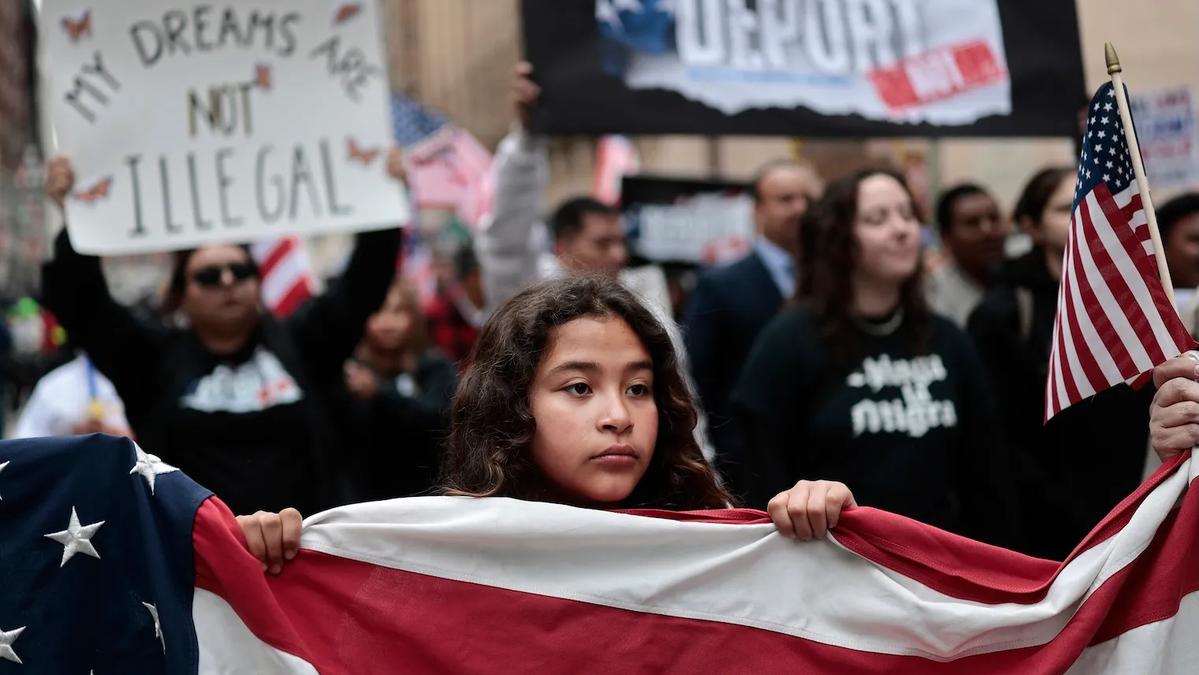
In the months following the 2024 election, the Trump administration dismantled key human‑rights programs, slashing USAID funding and withdrawing from multilateral justice mechanisms. By late 2025, public opinion polls in Europe and Asia showed a sharp decline in confidence that the United States remains a champion of democratic values. A new administration took office in early 2026, pledging to restore a values‑based foreign policy anchored in civic pluralism.
- Institutional inertia vs. political will: Decades of bureaucracy at the State Department and USAID created a network of expertise that survived budget cuts, but senior officials now depend on congressional approval to reactivate programs. The new administration must navigate a Senate split along partisan lines, where any increase in foreign‑rights funding triggers accusations of “soft power” spending.
- Alliance calculus: Traditional partners such as the European Union, Japan, and Canada weigh U.S. credibility against security needs. With China expanding its own narrative of “non‑interference,” allies are less willing to follow a U.S. lead that appears inconsistent.
- Domestic electoral incentives: Mid‑term elections loom in 2026, prompting legislators to balance voter concerns about immigration, LGBTQ+ rights, and foreign aid. Politicians from swing districts may downplay pluralism initiatives to avoid alienating conservative bases.
- Economic trade‑offs: Re‑engaging with rights‑focused NGOs could unlock new aid contracts for American firms, but also risks backlash from industries that benefit from lax regulations in authoritarian markets.
- Military doctrine: The Pentagon’s focus on great‑power competition limits resources for non‑kinetic tools like democracy promotion, forcing the State Department to compete for limited inter‑agency funding.
Across the United States, families fleeing violence in Central America face prolonged detention and limited pathways to citizenship. The rollback of asylum programs under Trump left thousands in limbo, straining local shelters and health services in border states. Restoring a pluralist framework could mean faster case processing and community integration, but only if funding follows.
Grassroots organizers in cities from Los Angeles to Detroit have reported increased harassment and surveillance after the 2024 crackdown on protest groups. Legal aid clinics, many of which relied on federal grants, are now under‑staffed, leaving activists vulnerable to costly lawsuits.
Countries that once depended on U.S. democracy assistance—such as Tunisia, Ukraine, and Kenya—now confront funding gaps that jeopardize civil‑society NGOs. In Tunisia, the closure of a U.S.–funded women’s rights center has led to a surge in gender‑based violence reports.
Small businesses owned by immigrants, especially in the service sector, suffered revenue losses when immigration enforcement intensified. The ripple effect includes reduced tax bases for local governments, limiting public services for all residents.
- Congressional gridlock hidden behind rhetoric: While the administration touts a “new era of values,” many lawmakers quietly negotiate trade concessions with authoritarian regimes, prioritizing short‑term economic gains over rights commitments. This compromise is rarely highlighted in official briefings.
- Corporate lobbying under the radar: Defense contractors and tech firms lobby for relaxed export controls on surveillance equipment, arguing national security. Their influence dampens the push for stricter human‑rights clauses in foreign contracts, a detail omitted from most public statements.
- Media framing of pluralism as elite ideal: Mainstream coverage often presents civic pluralism as a high‑brow policy debate, ignoring how everyday workers in manufacturing towns perceive it as a threat to job security. This framing downplays the class dimension of the debate.
- International rivals exploiting the vacuum: China and Russia have launched coordinated information campaigns portraying the U.S. as hypocritical, amplifying stories of past abuses while offering their own versions of “stability.” These narratives are rarely countered in diplomatic speeches.
- Legislative battles over the 2027 foreign‑aid budget: Look for amendments that tie rights funding to specific geopolitical objectives, signaling whether Congress will prioritize values or strategic interests.
- Appointment of a new ambassador for civic pluralism: The nominee’s background—whether from academia, NGOs, or the private sector—will indicate the administration’s operational focus.
- State Department reports on religious‑freedom violations: Increases or decreases in documented cases will reveal whether the U.S. is actively monitoring or merely issuing statements.
- Grassroots coalition building: The emergence of cross‑regional alliances between immigrant rights groups, labor unions, and faith organizations could pressure policymakers to adopt concrete pluralist measures.
- Foreign reactions: Track how EU and Canada adjust their own rights‑program budgets in response to U.S. policy shifts, as this will affect the broader liberal international order.
By watching these signals, ordinary citizens can gauge whether the United States is truly moving from rhetoric to a durable, pluralist foreign policy that benefits both domestic communities and global partners.
By re‑funding agencies like USAID, appointing officials dedicated to civic pluralism, and aligning congressional support with clear rights‑based objectives, the U.S. can demonstrate consistent commitment both at home and abroad.
Policy changes affect asylum processing times, detention conditions, and access to legal aid. Restoring pluralist principles would likely speed up case resolutions and improve community integration for migrants.
Source referenced: FOREIGNPOLICY
This brief was synthesized by our Editorial Engine and reviewed by The Ground Narrative team.


