TRENDING

Monday, 5 October 2026
----------------------
24 Rabi' Al-Thani 1448 AH
An Ebola outbreak in the Democratic Republic of Congo has surpassed 4,000 cases, becoming the second-largest and fastest-spreading on record, fueled by delayed detection and ongoing military conflict. This crisis exposes the profound human cost when disease meets systemic instability and the world looks away.
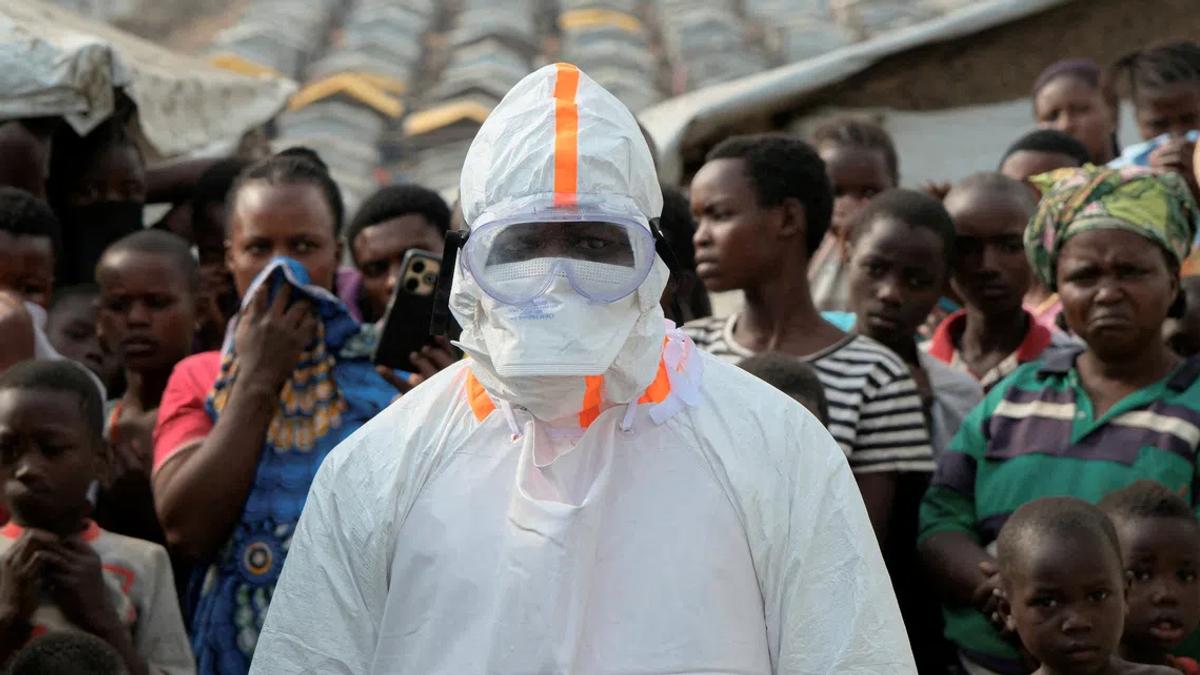
The Democratic Republic of Congo is grappling with an Ebola outbreak that has now exceeded 4,000 confirmed cases, resulting in over 1,850 deaths. This marks the second-largest outbreak in history, following West Africa's 2014-16 epidemic, and is characterized by its unprecedented speed of transmission. The disease, which experts believe began circulating as early as January, months before its official declaration in May, has spread across five provinces: Ituri, North Kivu, South Kivu, Haut-Uele, and Tshopo, overwhelming local health infrastructure and containment efforts.
The rapid escalation of this outbreak is not merely a biological phenomenon; it is a direct consequence of a complex interplay of power dynamics. The DRC government, already struggling with endemic corruption and a fragile state apparatus, faces immense challenges in asserting control over vast, conflict-ridden territories. Its capacity to detect, report, and respond to health crises is severely hampered by a lack of resources and political will, often prioritizing internal security concerns over public health. International aid organizations, while providing crucial support, operate within a framework dictated by sovereign consent and security realities, often finding their efforts undermined by local resistance, misinformation, and direct attacks from armed groups. These militias, vying for control over mineral-rich eastern Congo, actively disrupt vaccination campaigns and safe burial practices, weaponizing fear and instability to maintain their grip. For global powers, the incentive to intervene decisively is often weighed against the perceived strategic importance of the region, leading to a response that can be reactive and insufficient, rather than proactive and comprehensive.
The human cost of this crisis is borne disproportionately by ordinary Congolese citizens, particularly those in the eastern provinces already ravaged by decades of conflict. Families are torn apart by illness and death, with children orphaned and communities facing crippling stigma. The displacement of millions due to violence forces people into crowded camps, creating ideal conditions for the virus to spread unchecked. Healthcare workers, often local volunteers, operate under immense pressure and constant threat, becoming targets for armed groups and facing community mistrust fueled by fear and misinformation. Beyond the immediate fatalities, the outbreak devastates local economies, disrupts trade, and erodes the already fragile social fabric, leaving a legacy of trauma and poverty that will persist long after the virus is contained. For these communities, Ebola is not just a disease; it is another layer of suffering in a life already defined by insecurity and neglect.
What official statements and case counts often omit is the profound, systemic failure that allows such outbreaks to fester. Governments and international bodies frequently downplay the true scale of the epidemic, hindered by limited access to remote areas and a lack of comprehensive testing. The narrative often focuses on the virus itself, deflecting attention from the root causes: the chronic underinvestment in public health infrastructure, the pervasive insecurity fueled by resource exploitation, and the deep-seated mistrust in authorities born from years of conflict and broken promises. The specific challenges of deploying existing vaccines and treatments in active war zones, where health workers are attacked and communities are suspicious, are often framed as logistical hurdles rather than a symptom of a deeper political and security crisis. The fact that the outbreak circulated for months before declaration highlights a critical failure in early warning systems, potentially influenced by a desire to avoid international scrutiny or panic.
As the outbreak continues, several critical indicators bear watching. The potential for the virus to spread into densely populated urban centers or across porous borders into neighboring countries remains a significant threat, which could trigger a far more severe regional crisis. Observers should also monitor the effectiveness of new community engagement strategies and security measures aimed at protecting health workers and building trust, as these are crucial for successful containment. Beyond the immediate health response, any sustained effort by the international community to address the underlying drivers of conflict and instability in eastern DRC will be a key signal of a shift from crisis management to genuine peacebuilding. Ultimately, the long-term impact on the DRC's political stability and the resilience of its communities will reveal the true cost of this invisible war, long after the daily case counts fade from headlines.
Source referenced: STRAITSTIMES
This brief was synthesized by our Editorial Engine and reviewed by The Ground Narrative team.