TRENDING

Tuesday, 6 October 2026
----------------------
25 Rabi' Al-Thani 1448 AH
The second pink tide in Latin America, a wave of left-leaning governments, is receding as right-wing leaders take office. The region's shift towards the right raises questions about the legacy of the pink tide and its impact on regional integration and social policies. As the ideological tides shift, it is crucial to examine the power mechanics at play and the human cost of these changes.
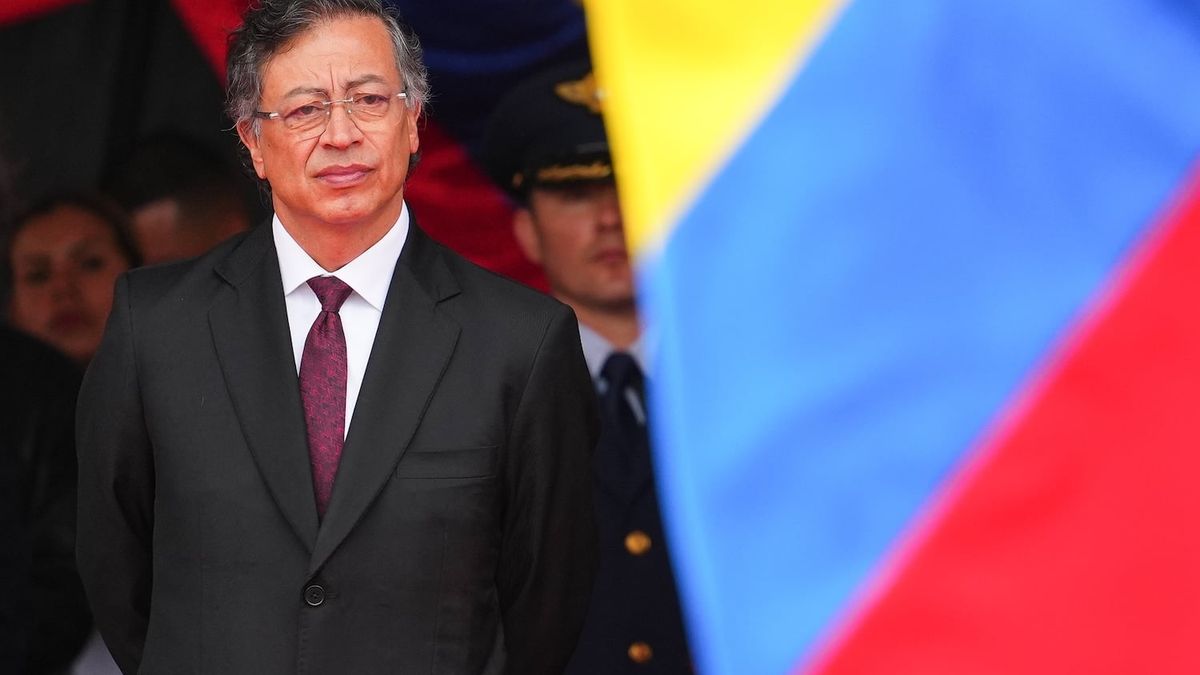
The second pink tide in Latin America, characterized by the election of left-wing leaders in countries such as Argentina, Bolivia, Brazil, Chile, Colombia, and Peru, is coming to an end. The latest right-wing leader to take office is Abelardo de la Espriella, who will be inaugurated as Colombia's president. This shift towards the right marks a significant change in the region's political landscape.
The power mechanics behind the second pink tide's demise are complex and multifaceted. The global commodities boom that fueled the first pink tide is no longer present, making it challenging for left-wing governments to implement their social and economic policies. Additionally, the COVID-19 pandemic created an opportunity for right-wing leaders to capitalize on the economic challenges and corruption scandals that plagued the region. The United States and China are also exerting their influence in the region, often prioritizing access to commodities over local development.
The human cost of the second pink tide's receding is significant. Despite the efforts of left-wing governments to reduce inequality and improve social policies, many of these initiatives were hindered by budget constraints and lack of support from external powers. The people who will be most affected by the shift towards the right are the poor and vulnerable populations who benefited from the social programs implemented by the left-wing governments. For example, in Colombia, multidimensional poverty fell to a historic low under President Gustavo Petro, but this progress may be reversed under the new right-wing government.
What is being downplayed or omitted in the official statements is the role of external powers in shaping the region's political landscape. The United States and China are often portrayed as benevolent actors, but their influence in the region is more complex and nuanced. The US removal of Venezuelan President Nicolás Maduro and the subsequent control of the country's oil sector is a prime example of this. The lack of transparency in how the resulting revenue is being spent raises questions about the true intentions of the US government. Furthermore, the IMF's endorsement of Bolivia's economic overhaul and the $1.9 billion loan agreement may be seen as a positive development, but it also highlights the country's dependence on external financial institutions.
As the second pink tide recedes, it is essential to watch for the impact of the right-wing leaders on regional integration and social policies. The agreement to create a single aviation market between Argentina, Bolivia, Brazil, Chile, and Paraguay is a positive step towards regional integration, but its success will depend on the ability of the governments to work together despite their ideological differences. The upcoming presidential election in Brazil will also be crucial in determining the direction of the region. The US and China's influence in the region will continue to shape the political landscape, and it is essential to monitor their actions and their impact on local development.
Editor's Note: The analysis is based on current events and trends, but the future of Latin America's political landscape is inherently uncertain.
Source referenced: FOREIGNPOLICY
This brief was synthesized by our Editorial Engine and reviewed by The Ground Narrative team.