TRENDING

Tuesday, 6 October 2026
----------------------
25 Rabi' Al-Thani 1448 AH
A recent papal visit to Paris has underscored a perceived Catholic revival in France, drawing hundreds of thousands while also highlighting the growing alignment between faith and the surging far-right National Rally.
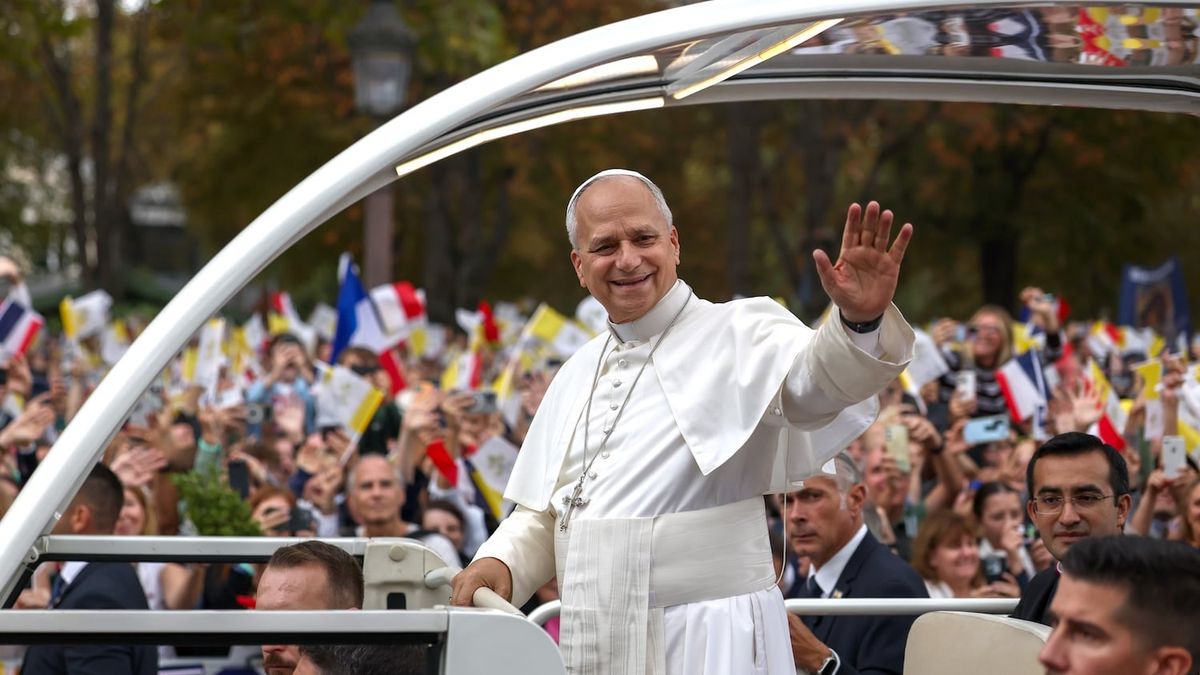
In 2026, Pope Leo XIV undertook a visit to Paris, an event that captivated the nation and drew unprecedented crowds. Hundreds of thousands of French citizens lined the Champs-Elysées to greet the pontiff, a spectacle reminiscent of Charles de Gaulle's historic return to the capital in 1944. This massive turnout, coupled with a packed prayer vigil at the Stade de France, has been widely interpreted as a powerful sign of a burgeoning Catholic revival across France. Notably, the crowds included several prominent political figures, among them Marine Le Pen and Jordan Bardella of the far-right National Rally (RN), signaling a deliberate and highly visible embrace of the event by the party.
This public display of religiosity coincides with a significant and documented shift in French political allegiances. Data indicates a dramatic increase in support for the National Rally among Catholic voters, with the percentage nearly doubling between the 2012 and 2022 presidential elections. This convergence of religious sentiment and far-right political momentum suggests a profound realignment within French society, where traditional faith is increasingly intertwined with nationalist and anti-immigrant narratives championed by the RN.
The apparent Catholic revival in France is not merely a spiritual phenomenon; it is a potent force being strategically harnessed by political actors, particularly the National Rally. The mechanics at play reveal a calculated exploitation of cultural identity, historical anxieties, and a subtle repositioning of the Church within the French political landscape.
For decades, the French far right, under Jean-Marie Le Pen, maintained a complex, often hostile, relationship with the mainstream Catholic Church, preferring fringe traditionalist groups. However, Marine Le Pen has engineered a significant rebranding, transforming the National Front into the National Rally. This shift involves not just a name change but a deliberate effort to shed overtly antisemitic and neo-fascist associations, even as questions linger about figures like Jordan Bardella and his past comments. Crucially, Le Pen has moved to embrace a more mainstream, yet still culturally nationalist, Catholicism. By participating in the papal visit and aligning the party with the visible resurgence of Catholic identity, the RN seeks to normalize its image, broaden its appeal beyond its traditional base, and tap into a powerful sense of national heritage that many French associate with their Catholic roots. This is a clear play for electoral gain, framing the party as the defender of a
Source referenced: FOREIGNPOLICY
This brief was synthesized by our Editorial Engine and reviewed by The Ground Narrative team.


