TRENDING

Monday, 5 October 2026
----------------------
24 Rabi' Al-Thani 1448 AH
China's medical aid to Africa, framed as humanitarian, serves a deeper strategic purpose, solidifying its influence and challenging traditional power dynamics on the continent.
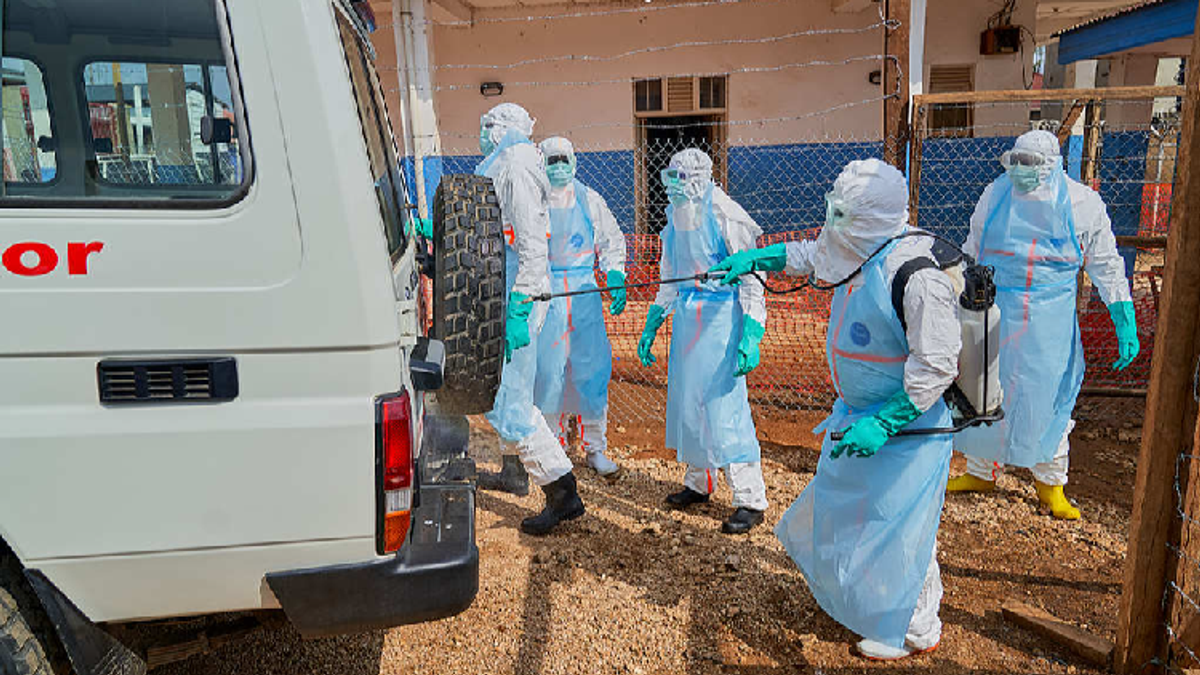
China has dispatched its third medical expert team to the Democratic Republic of Congo (DRC) to assist in combating an ongoing Ebola outbreak. This move, announced by a Chinese Foreign Ministry spokesperson, follows previous deployments and is presented as a continuation of China's commitment to supporting African nations in public health crises, offering expertise in epidemiology, quarantine, clinical treatment, and laboratory testing.
China's consistent and visible medical assistance in Africa, particularly during health emergencies like Ebola, is a calculated projection of soft power. For Beijing, humanitarian aid is not merely altruistic; it is a critical component of its broader engagement strategy on the continent. By providing immediate, often unconditional, support, China distinguishes itself from traditional Western donors whose aid can sometimes come with political or economic conditionalities. This approach helps cultivate goodwill, strengthens diplomatic ties, and enhances China's image as a reliable partner. It also serves to showcase China's growing public health capabilities and scientific advancements, especially in the wake of global health challenges. This medical diplomacy complements China's extensive infrastructure investments, resource acquisition, and trade relationships across Africa, creating a comprehensive framework for influence that secures access to markets, raw materials, and crucial votes in international forums.
While the immediate benefit of medical teams in an Ebola outbreak is undeniable, the human cost extends beyond the direct victims of the disease. African populations, particularly in countries like the DRC, bear the burden of fragile healthcare systems that often rely heavily on external assistance. This dependency, while offering temporary relief, can delay the development of robust, self-sustaining local health infrastructure. When external powers like China step in, the underlying structural weaknesses of national health systems often remain unaddressed in the long term. The ordinary citizen in a remote village, grappling with the fear and reality of Ebola, becomes a pawn in a larger geopolitical game, where their health security is intertwined with the strategic interests of global powers rather than being solely a matter of national priority and investment.
What official statements from Beijing often downplay is the significant strategic return on investment that health diplomacy yields. This isn't just about saving lives; it's about securing future influence. China's medical missions are an integral part of its 'Health Silk Road' initiative, a component of the larger Belt and Road Initiative, designed to deepen connectivity and interdependence. The goodwill generated by emergency aid translates into stronger political leverage, easier access to resources, and a more favorable environment for Chinese businesses and investments. Governments, both in Beijing and often in recipient African nations, find it convenient to frame this engagement purely in humanitarian terms, sidestepping the deeper geopolitical competition for influence and the potential for long-term economic entanglement that can accompany such aid. The discussion rarely focuses on whether this aid genuinely empowers African nations to build independent health resilience or merely reinforces a transactional relationship.
Going forward, observers should watch for several key developments. Firstly, the extent to which China's health diplomacy shifts from emergency response to sustainable capacity building. Will Beijing invest more in training local medical professionals, establishing regional research centers, and supporting the manufacturing of pharmaceuticals within Africa? Secondly, how will Western powers, particularly the United States and European Union, adapt their own engagement strategies to counter China's growing influence in the health sector? This competition could either benefit African nations through increased aid and investment or risk turning them into arenas for proxy competition. Finally, the crucial question remains whether African governments can leverage this geopolitical jostling to negotiate terms that prioritize their own long-term development and health sovereignty, moving beyond immediate relief to secure lasting systemic improvements for their citizens.
Source referenced: CGTN
This brief was synthesized by our Editorial Engine and reviewed by The Ground Narrative team.