TRENDING

Thursday, 22 October 2026
----------------------
11 Jumada Al-Awwal 1448 AH
U.S. Secretary of State Marco Rubio spent three days in Mumbai and Jamnagar, focusing on oil and investment. The trip reveals how commercial diplomacy reshapes Indo‑U.S. ties while ordinary Indians bear the hidden costs.
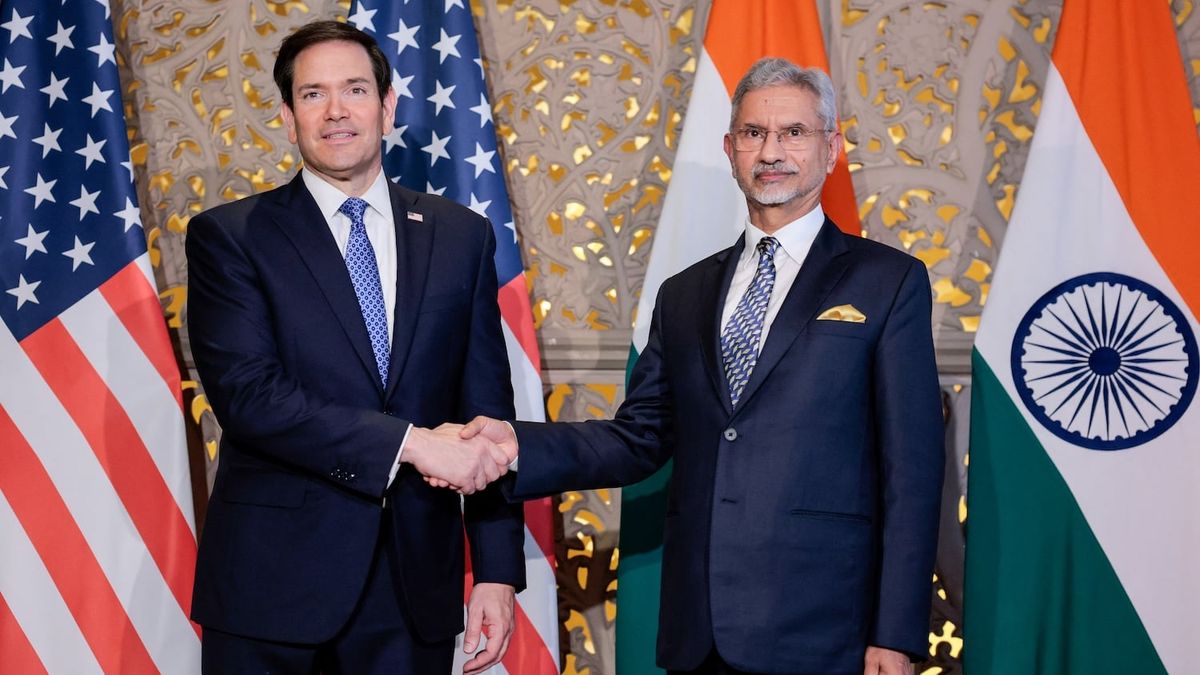
U.S. Secretary of State Marco Rubio arrived in Mumbai on October 20, 2026, for a three‑day itinerary that deliberately skipped New Delhi. He met Indian Foreign Minister S. Jaishankar, laid a wreath for the 2008 Mumbai terror victims, and visited the Jamnagar refinery where he sat down with Mukesh Ambani of Reliance Industries. The core agenda centered on energy cooperation, investment in a planned Texas refinery, and broader commercial ties, while diplomatic niceties were kept to a minimum.
- Strategic trade‑off – The United States is eager to lock in Indian demand for U.S. oil and to counterbalance Russia's energy leverage. By courting Reliance, Washington hopes to secure a private‑sector conduit for American crude, especially as sanctions on Russian oil remain in flux.
- Political calculus – Skipping New Delhi allowed Rubio to avoid a potentially uncomfortable meeting with Prime Minister Narendra Modi, where the trust gap over tariffs, visa policies, and perceived U.S. tilt toward Pakistan would have been front‑and‑center. The Mumbai route signaled a transactional approach: business first, politics later.
- Economic incentives – India’s massive consumer market promises lucrative returns for U.S. manufacturers and service firms. In turn, Reliance seeks capital and technology to expand its refining capacity, including the ambitious Texas project that would give it a foothold in the North American energy landscape.
- Alliance math – The visit underscores a subtle shift in the Indo‑U.S. partnership from a primarily security‑driven alignment (counter‑terrorism, Indo‑Pacific naval cooperation) toward a hybrid model where commercial diplomacy buttresses strategic ties. Both sides benefit: Washington gains a reliable oil buyer; India diversifies its energy sources and gains leverage in trade negotiations.
The Jamnagar complex employs tens of thousands, many on contract terms that lack robust labor protections. Expansion plans tied to U.S. partnerships often prioritize efficiency and profit, pressuring workers into longer hours and exposing them to heightened safety risks. Past incidents at the refinery have shown that rapid scaling can outpace safety upgrades, leaving laborers vulnerable.
India’s push to import more U.S. crude and to develop new refining capacity can depress domestic crude prices, encouraging a shift away from locally sourced oil. This threatens the livelihoods of small‑scale farmers who grow oilseed crops, as market demand for their produce wanes in favor of cheaper imported feedstock.
The proposed Texas refinery, backed by Reliance, promises jobs but also ties U.S. labor to the volatility of Indian demand. If Indian policy swings back toward Russian oil or if geopolitical tensions flare, the project could stall, leaving American workers facing uncertain employment prospects.
- Sanctions ambiguity – The Biden administration’s decision to pause a new sanctions bill targeting countries that buy Russian oil creates diplomatic breathing room for India. Official statements frame this as “flexibility,” but the underlying motive is to keep Indian oil imports flowing to U.S. producers while avoiding a direct confrontation with Russia.
- Domestic political risk in India – Opposition parties have warned that meeting a U.S. official in Mumbai could be seen as ceding policy influence to Washington. While Jaishankar downplayed the criticism, the narrative that India is “selling out” to foreign commercial interests is quietly circulating among regional media, potentially fueling nationalist backlash.
- Energy security narrative – Public discourse in both countries emphasizes diversification and energy security, yet the deeper story is a mutual dependency that limits policy autonomy. India’s reliance on U.S. crude ties its foreign policy to American geopolitical calculations, while the U.S. gains a strategic market that can be leveraged in broader Indo‑Pacific negotiations.
- Progress on the Texas refinery – Concrete milestones, financing agreements, and regulatory approvals will signal whether the commercial diplomacy translates into tangible infrastructure or remains a diplomatic talking point.
- India’s stance on Russian oil sanctions – Any shift in Indian imports, especially in response to U.S. pressure or global price spikes, will reveal how far the partnership can stretch before strategic interests clash.
- Domestic political fallout in India – Monitoring opposition rhetoric and public protests in Mumbai and other industrial hubs will indicate whether the commercial focus of Rubio’s visit triggers broader resistance to perceived foreign influence.
- U.S. legislative moves – The fate of the pending sanctions bill will either cement the current diplomatic flexibility or introduce a new friction point that could reshape Indo‑U.S. energy negotiations.
- Reliance’s global expansion – Follow‑up announcements on joint ventures, technology transfers, and supply‑chain integration will illustrate how private‑sector ties are reshaping state‑level power dynamics.
The next few months will determine whether Rubio’s Mumbai detour marks a lasting pivot toward commercial diplomacy or a temporary sidestep that leaves deeper strategic disagreements unresolved.
Rubio avoided New Delhi to sidestep a potentially tense meeting over tariffs, visa policies, and perceived U.S. favoritism toward Pakistan, focusing instead on commercial engagements in Mumbai and Jamnagar.
The Texas refinery would give Reliance a foothold in the U.S. energy market, securing a reliable outlet for Indian‑refined products while providing American workers with new jobs tied to Indian demand.
If passed, the bill could pressure India to curb purchases of Russian oil, pushing it toward greater reliance on U.S. crude and deepening the commercial interdependence highlighted by Rubio’s visit.
Editor's Note: Analysis based on publicly available reports and standard geopolitical assessment methods.
Source referenced: FOREIGNPOLICY
This brief was synthesized by our Editorial Engine and reviewed by The Ground Narrative team.