TRENDING

Thursday, 22 October 2026
----------------------
11 Jumada Al-Awwal 1448 AH
The United States ordered non‑essential staff and families to leave its Riyadh mission as Houthi drones intensify strikes on Saudi infrastructure. The decision reveals deep regional power calculations and a human toll that extends beyond diplomats.
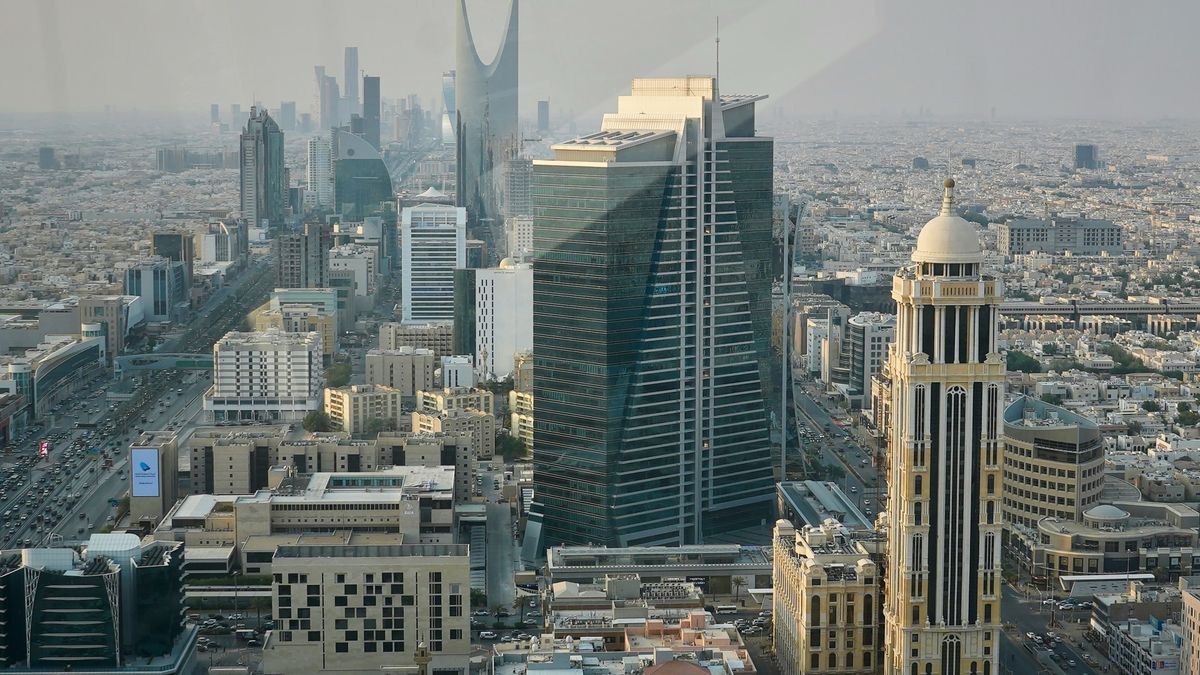
The United States announced on October 21 that non‑emergency government employees and their families must leave the embassy in Saudi Arabia after a spate of attacks attributed to the Houthis. State Department spokesperson Tommy Pigott cited recent drone strikes on civilian airports and other critical infrastructure, warning of further threats. The directive follows earlier alerts about possible attacks on the embassy and a CIA station in Riyadh, which were hit by drones in March. While the move affects only a limited number of personnel, officials hinted that similar evacuations could occur at other Gulf posts.
The evacuation cannot be read solely as a security precaution; it is a nexus of several structural forces. First, Iran continues to weaponize the Houthi movement as a proxy to pressure Saudi Arabia, a rival regional power. By escalating attacks on Saudi civilian targets, Tehran forces Riyadh to stretch its air‑defense budget and divert attention from other fronts, notably the ongoing conflict in Yemen. Second, the U.S. State Department must balance diplomatic presence with domestic political pressure to protect American citizens abroad. After the February 2026 US‑Israeli war on Iran, public scrutiny of overseas deployments intensified, making any perceived negligence a political liability. Third, the broader Gulf Cooperation Council (GCC) economies are already strained by disrupted oil flows and rising insurance premiums for shipping. A prolonged Houthi campaign threatens to choke the Strait of Hormuz, amplifying global energy volatility. Finally, the United States maintains a network of security guarantees with Saudi Arabia, including arms sales and joint training. Pulling staff signals a calibrated signal to Riyadh: the U.S. will not expose its people to unchecked risk, yet it remains committed to the strategic partnership through other channels.
Airports in Riyadh and other cities have become flashpoints, with drone strikes causing casualties among airport workers, travelers, and nearby residents. The disruption of flight schedules also hampers medical evacuations and the movement of essential goods, inflating the cost of living for ordinary Saudis.
The evacuation order forces U.S. embassy families to uproot their lives on short notice, incurring relocation expenses, school disruptions for children, and psychological stress. Many spouses, who often work in local NGOs or schools, lose income and community ties.
Saudi Arabia hosts millions of migrant workers from South Asia and Africa who depend on a stable transport network for wages and remittances. Airport shutdowns and heightened security checks delay their ability to travel home, squeezing household incomes across the Gulf.
Restaurants, shops, and service providers that catered to embassy personnel see a sudden drop in customers, threatening livelihoods that are already fragile due to broader economic slowdown caused by the Yemen conflict.
While officials emphasize the immediate security threat, they downplay how the Houthi campaign is reshaping global oil markets. Each successful strike raises insurance premiums for tankers transiting the Red Sea, prompting shippers to reroute around the Cape of Good Hope—a longer, costlier journey that feeds higher gasoline prices worldwide. The United States, a net importer of oil, benefits indirectly from higher prices that bolster domestic production, yet it publicly frames the evacuation as a purely protective measure.
Saudi Arabia’s defense budget has surged in response to Houthi attacks, creating lucrative opportunities for Western arms manufacturers. The evacuation may be timed to avoid a perception of weakness while the kingdom negotiates new contracts for advanced air‑defense systems, including U.S. Patriot batteries and British‑made jets. These deals are often negotiated behind closed doors, with little public scrutiny of the human cost of the weapons supplied.
U.S. statements focus on “protecting personnel,” sidestepping the broader question of why the United States continues to maintain a sizable diplomatic footprint in a volatile region. Iranian state media, meanwhile, portrays the Houthi strikes as legitimate resistance against Saudi oppression, casting the evacuation as evidence of Saudi vulnerability. Both narratives obscure the fact that the conflict is being fueled by external powers seeking to preserve strategic influence.
Analysts should monitor three interlinked developments. First, the Houthi drone capabilities: any escalation in range or payload could threaten not only Saudi infrastructure but also commercial shipping lanes, prompting a wider international response. Second, the U.S. diplomatic footprint in the Gulf: subsequent withdrawals from Bahrain, Kuwait, or the UAE would signal a recalibration of American engagement in the region, potentially opening space for rival powers like China or Russia to expand influence. Third, Saudi defense spending and procurement decisions: large contracts for air‑defense and missile systems will reveal how Riyadh plans to counter the Houthi threat and whether it will deepen reliance on foreign suppliers, affecting the balance of power across the Middle East.
The State Department cited a spike in Houthi drone attacks on civilian airports and a recent strike on the embassy compound, deeming the risk to non‑essential personnel unacceptable.
Each successful strike raises insurance costs for tankers in the Red Sea, forcing reroutes around the Cape of Good Hope and pushing up global oil prices, which benefits oil‑producing nations.
Further withdrawals would signal a strategic pullback, potentially allowing rival powers to fill the diplomatic vacuum and altering the regional balance of influence.
Editor's Note: Analysis based on publicly available statements and regional security assessments.
Source referenced: ALJAZEERA
This brief was synthesized by our Editorial Engine and reviewed by The Ground Narrative team.


