TRENDING

Thursday, 22 October 2026
----------------------
11 Jumada Al-Awwal 1448 AH
A U.S. special envoy met Vladimir Putin in St. Petersburg, urging a restart of Ukraine negotiations while the Trump administration juggles domestic politics and energy deals. The move reshapes diplomatic incentives but leaves civilians on both sides bearing the brunt.
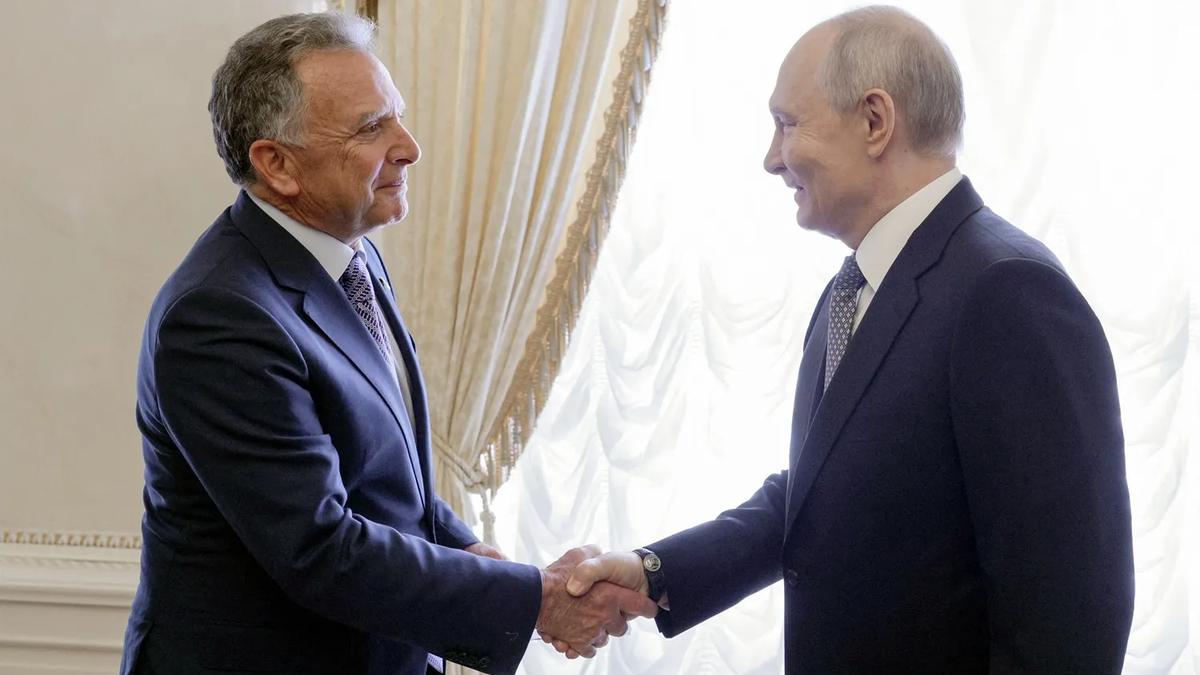
In late October 2026, Steve Witkoff, the White House’s go‑to negotiator, flew from a Norway summit with Volodymyr Zelensky to St. Petersburg for a high‑profile meeting with Vladimir Putin. After a brief goodwill gesture—Moscow released a detained U.S. citizen—the Kremlin announced that Russia was ready to resume U.S.–mediated talks on Ukraine as early as the following month. The talks are expected to focus on technical details such as security guarantees, but Moscow has not signaled any willingness to compromise on its core demands: control of Donetsk, a halt to NATO expansion, and a cease‑fire‑free settlement.
The diplomatic overture sits at the intersection of three powerful incentive structures. First, Lukoil and other Russian energy firms stand to benefit from the Trump administration’s recent suspension of diesel sanctions and a multibillion‑dollar export deal, turning energy economics into a bargaining chip for peace. Second, the White House is under intense pressure from the upcoming midterm elections; soaring fuel prices threaten Republican votes, and Trump’s base is increasingly restless about a war that appears endless. By positioning Witkoff as a bridge, the administration hopes to claim progress while keeping the narrative focused on American leadership rather than Ukrainian agency. Third, the Kremlin seeks to extract diplomatic legitimacy after years of isolation. By appearing cooperative, Putin can portray Russia as a responsible power willing to negotiate, thereby weakening Ukraine’s moral high ground and complicating NATO’s collective response. The technical nature of the proposed talks—security architecture, reconstruction funds, and demilitarized zones—allows both sides to claim a win without addressing the underlying territorial and security disputes that fuel the conflict.
Even as diplomats trade polite phrases, ordinary Ukrainians continue to endure artillery bombardments, disrupted electricity, and a crippled health system. Recent strikes on Russian energy infrastructure have prompted retaliatory attacks on Ukraine’s power grid, leaving millions without heat during an early winter. The prospect of a cease‑fire‑free agreement offers little relief for families forced to shelter in basements for weeks at a time.
On the Russian side, the war’s attrition has swollen casualty figures among young conscripts from remote regions. The Kremlin’s insistence on holding Donetsk means continued frontline deployments, exposing soldiers to the same shelling that Ukrainian towns face. The promise of a diplomatic reset does not translate into immediate demobilization for these troops.
Back in the United States, the political calculus of the midterms means that energy prices and war fatigue become electoral issues. Taxpayer dollars fund both the Starlink satellite service that Ukraine relies on and the sanctions‑evasion deals with Russian oil firms. When the public feels the pinch at the pump, the human cost is measured in household budgets rather than battlefield casualties, yet it shapes the willingness of elected officials to push for a settlement.
Official statements emphasize Putin’s “humanitarian” image, but the Kremlin is quietly leveraging the talks to lock in long‑term strategic gains. By demanding full control of Donetsk and a guarantee that Ukraine will not join NATO, Moscow aims to create a permanent buffer zone that secures its western flank. The lack of a cease‑fire requirement also signals confidence that Russian forces can sustain offensive operations without external pressure.
While the White House touts the meetings as “constructive,” it downplays the extent to which the agenda is shaped by domestic political survival. The suspension of diesel sanctions and the Lukoil deal are presented as pragmatic energy moves, yet they also serve to placate a voter base angry about high fuel costs. The administration’s reluctance to publicly pressure Kyiv on its NATO aspirations reveals a willingness to trade long‑term security considerations for short‑term electoral gain.
Zelensky’s public statements stress a cease‑fire and a frozen front line, but the Ukrainian leadership is increasingly squeezed between a need for Western military aid and the reality of a war that can no longer be won decisively on the battlefield. The omission of Ukraine’s own negotiation priorities—such as the return of occupied territories and security guarantees from NATO members—in official briefings suggests that Kyiv’s leverage is being quietly eroded in the back‑channel talks.
The next few weeks will reveal whether the announced technical talks materialize into a formal negotiation framework. Key indicators include: (1) any shift in Russian military posture around Donetsk, (2) the status of U.S. energy sanctions—whether they remain lifted or are re‑imposed as a bargaining chip, and (3) the reaction of European allies, especially those supplying Starlink and other defense aid, to a potential cease‑fire‑free settlement. Observers should also track how the Trump administration frames any progress in the lead‑up to the midterms, as rhetoric will likely shape public perception of the war’s trajectory more than the actual terms of any agreement.
The move eases domestic fuel prices ahead of the midterm elections and creates leverage for a diplomatic push, while also opening a multibillion‑dollar export deal for Russian energy firms.
Moscow insists on full control of the occupied Donetsk region, a guarantee that Ukraine will not join NATO, and a settlement that does not require an immediate cease‑fire.
Without a cease‑fire, artillery and missile strikes on civilian infrastructure are likely to continue, prolonging displacement, power outages, and humanitarian suffering.
Source referenced: FOREIGNPOLICY
This brief was synthesized by our Editorial Engine and reviewed by The Ground Narrative team.