TRENDING

Tuesday, 22 September 2026
----------------------
11 Rabi' Al-Thani 1448 AH
The Democratic Republic of Congo has reported over 1,000 confirmed Ebola cases, including 254 deaths, underscoring the severe public health crisis and its broader geopolitical implications for regional stability and global health security. The ongoing outbreak in the country's eastern provinces continues to challenge response efforts amidst existing complexities.
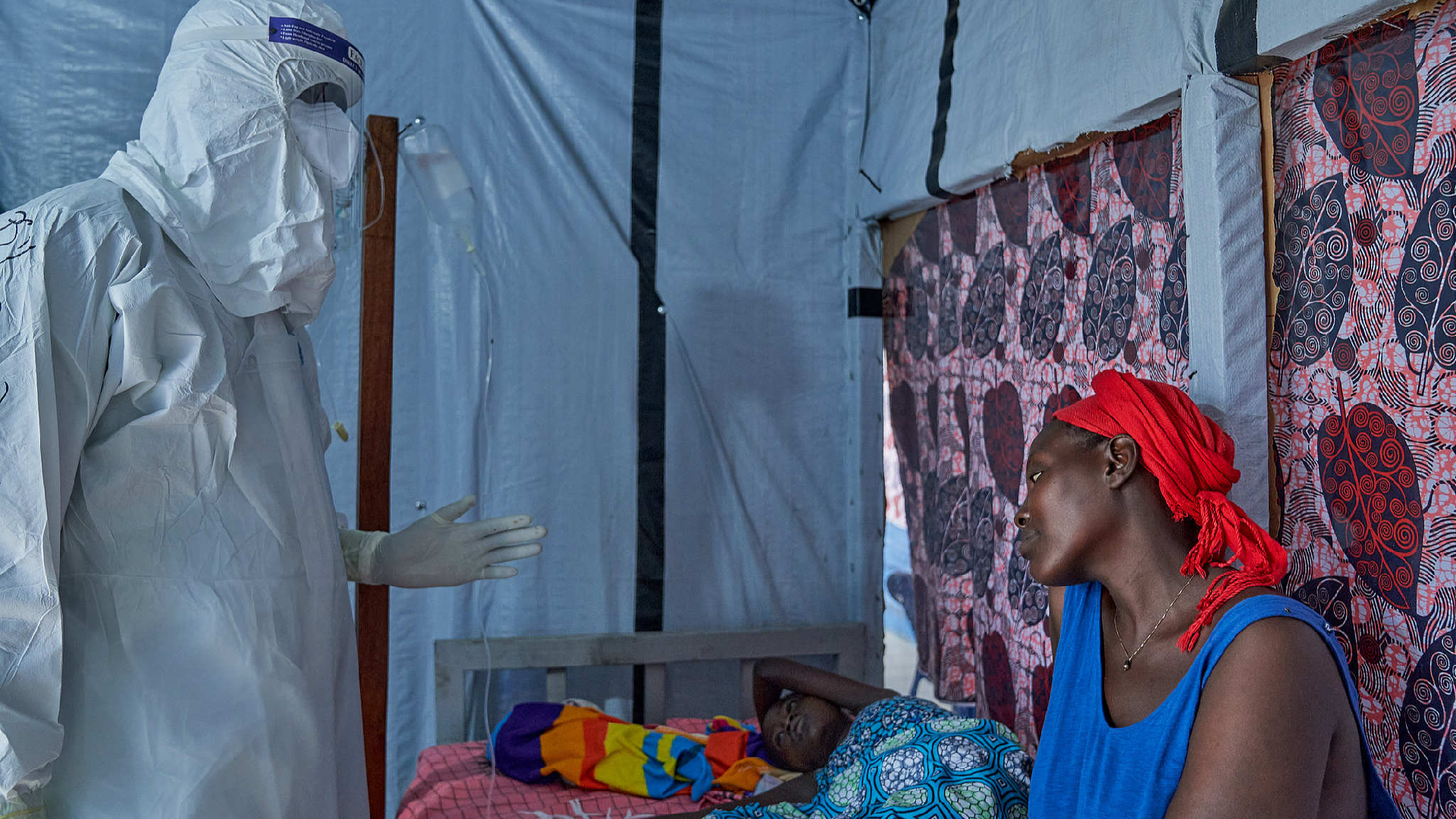
The Democratic Republic of Congo (DRC) is grappling with a significant public health emergency as the number of confirmed Ebola cases has surpassed 1,000. According to figures released by the DRC health ministry on June 21, 2026, the country has recorded 1,003 confirmed cases, leading to 254 deaths, an alarming case fatality rate of 25.3%. This milestone underscores the persistent and severe challenges in containing the highly contagious and lethal virus within a region already marked by instability and humanitarian concerns.
The outbreak is concentrated across three provinces in the eastern DRC, a region historically plagued by conflict, displacement, and limited infrastructure. Health authorities report that 365 patients are currently isolated or hospitalized, while 100 individuals have recovered. Despite active response efforts, including heightened surveillance, intensified community outreach, and initiatives to strengthen case management and diagnostic capacity, the contact follow-up rate stands at a challenging 58%. This figure indicates significant hurdles in tracking and isolating potential new cases, a critical component of epidemic control.
The Ebola outbreak in the DRC is not merely a health crisis; it carries profound geopolitical implications that extend beyond its immediate epidemiological impact. The eastern DRC is a volatile region, home to numerous armed groups and ongoing internal conflicts. The presence of a deadly epidemic exacerbates existing fragilities, potentially leading to several destabilizing outcomes:
Exacerbation of Conflict and Displacement: Outbreaks can disrupt humanitarian aid delivery, fuel mistrust in government and international actors, and create new waves of displacement as communities flee affected areas. This can further complicate the security landscape and strain resources in neighboring regions and countries.
Economic Disruption: The epidemic severely impacts local economies, disrupting trade, agriculture, and daily life. Fear of contagion can lead to reduced economic activity, hindering long-term development efforts in a country rich in natural resources but struggling with poverty and governance challenges.
Strain on Governance and Public Trust: The ability of the DRC government and its international partners to effectively manage the crisis is crucial for maintaining public trust. Ineffective responses can erode confidence, potentially leading to resistance to health interventions, misinformation, and social unrest.
Ebola's high transmissibility and lethality pose a significant threat to global health security. An uncontrolled outbreak in a region with porous borders and high population mobility increases the risk of international spread. This necessitates a robust and coordinated international response, involving organizations such as the World Health Organization (WHO), various non-governmental organizations (NGOs), and bilateral aid agencies.
International Aid and Diplomacy: The crisis demands substantial international financial and technical assistance, making it a focal point for diplomatic engagement. The effectiveness of this aid relies on strong coordination, transparent communication, and respect for local customs and needs. Failures in coordination or perceived external interference can complicate response efforts.
* Lessons from Past Outbreaks: The DRC has a history of recurrent Ebola outbreaks, often complicated by factors such as community resistance, insecurity, and inadequate healthcare infrastructure. Each outbreak serves as a critical test of global health preparedness and the resilience of local health systems. The current situation highlights the ongoing need for sustained investment in public health infrastructure, training, and community engagement strategies to build long-term resilience.
The surpassing of 1,000 cases in the DRC underscores the urgent need for sustained and comprehensive efforts. While response activities are active, the relatively low contact follow-up rate suggests that significant challenges remain in breaking chains of transmission. Effective containment requires not only medical interventions but also a deep understanding of local dynamics, cultural sensitivities, and security considerations.
Addressing this crisis demands an integrated approach that combines epidemiological surveillance, rapid diagnostic capabilities, effective case management, and robust community engagement. Furthermore, it necessitates continued international support, diplomatic cooperation, and a commitment to addressing the underlying factors of instability and poverty that often exacerbate health emergencies in the region. The long-term stability of the DRC and the broader Central African region is inextricably linked to its capacity to manage such public health threats effectively, making this outbreak a critical barometer of both national and international resilience.