TRENDING

Friday, 16 October 2026
----------------------
5 Jumada Al-Awwal 1448 AH
Israel's elections directly determine the future for millions of Palestinians who have no say in the vote. The outcomes reinforce a system of control, with little prospect for fundamental change.
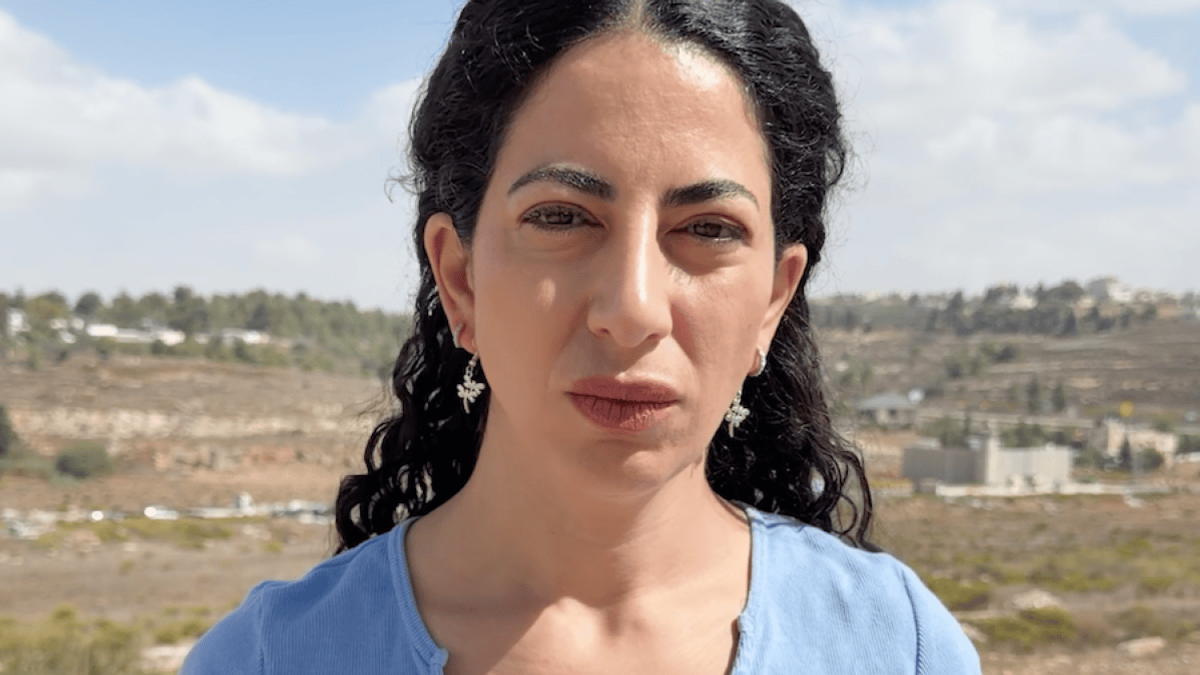
Israel recently held national elections, a democratic exercise for its citizens that will determine the composition of its next government. However, the outcome of this vote profoundly shapes the daily lives and long-term future of over 5.5 million Palestinians living under Israeli occupation in the West Bank, Gaza, and East Jerusalem—populations who are entirely disenfranchised from the electoral process. Despite the potential for a new government, analysts widely anticipate that the fundamental conditions for Palestinians will remain largely unchanged, reflecting deep-seated structural realities rather than mere political shifts.
The power dynamic at play is an asymmetrical one, where a sovereign state governs a non-citizen population without their consent, yet dictates every facet of their existence. Israel's political system, from across its spectrum, largely operates within a consensus that prioritizes security and control over Palestinian territories, albeit with varying rhetorical approaches. The core incentive for Israeli political parties is to appeal to their electorate, which overwhelmingly supports maintaining Israeli dominance and, in many cases, expanding settlements or even annexing parts of the West Bank.
The dominant narrative within Israeli politics frames the occupation primarily through a security lens. This allows for policies such as checkpoints, movement restrictions, and military operations to be justified as necessary for the protection of Israeli citizens. This paradigm effectively sidesteps the question of Palestinian rights and self-determination, transforming a political problem into a purely security challenge. Political survival for Israeli leaders often hinges on demonstrating a firm hand on security matters, making any perceived leniency towards Palestinians a political liability.
Another critical power mechanic is the ongoing effort to maintain a Jewish demographic majority and consolidate control over land. The expansion of Israeli settlements in the West Bank is a clear manifestation of this. These settlements are not merely residential areas; they are strategic outposts that fragment Palestinian territory, control key resources like water, and solidify Israel's presence, making a future contiguous Palestinian state increasingly difficult to achieve. The Israeli judicial system, often seen as a bulwark of democracy, frequently upholds these policies, further entrenching the occupation through legal means.
Israel's ability to maintain the status quo is significantly bolstered by its strong alliances, particularly with the United States. The US provides substantial military and diplomatic support, often shielding Israel from international condemnation or punitive measures at bodies like the United Nations. This alliance math provides Israel with considerable leverage, allowing it to pursue policies in the occupied territories with less fear of significant international repercussions. Other international actors, while sometimes critical, rarely exert the kind of pressure that would fundamentally alter Israeli policy.
The human cost of Israel's elections, and the policies they reinforce, is borne entirely by the Palestinian population living under occupation. Their lives are shaped by decisions in which they have no voice, leading to systemic disenfranchisement and daily hardship.
For Palestinians in the West Bank and Gaza, freedom of movement is severely curtailed. A complex system of checkpoints, permits, and physical barriers like the separation wall dictates where they can go, often separating families from each other, farmers from their land, and patients from hospitals. This not only causes immense personal stress but also stifles economic activity, making it difficult for businesses to transport goods or for individuals to access job opportunities. In Gaza, the blockade has created an open-air prison, severely limiting the entry and exit of people and goods, leading to chronic humanitarian crises.
Palestinians regularly face the threat of land confiscation for settlement expansion or military zones, and home demolitions for building without permits—permits that are notoriously difficult for Palestinians to obtain in Area C of the West Bank (which is under full Israeli control) and East Jerusalem. These actions displace families, destroy livelihoods, and erode the sense of security and belonging in their own land. The psychological impact of living under constant threat of displacement is profound, fostering a deep sense of injustice and powerlessness.
The Palestinian economy is structurally dependent on Israel, a consequence of the occupation. Israel controls borders, customs, and the movement of goods and labor, which limits Palestinian economic self-sufficiency. This dependency means that Israeli policies, often influenced by election outcomes, can directly impact Palestinian employment rates, trade, and overall economic stability. The result is high unemployment, particularly among youth, and widespread poverty, especially in Gaza, where economic opportunities are virtually non-existent due to the blockade.
Perhaps the most fundamental human cost is the erosion of political agency. Palestinians are governed by an authority they did not elect and cannot influence through democratic means. Their leaders, the Palestinian Authority, have limited power and operate under the shadow of Israeli military control. This lack of democratic recourse fuels frustration, despair, and a sense of being trapped in a political limbo, with no clear path to self-determination or full rights.
What is often downplayed or omitted in official statements and much of the international discourse is the inherent contradiction of a state that champions its democratic values while simultaneously maintaining a military occupation over millions of people without their consent. The narrative often focuses on security concerns or peace process negotiations, rather than the structural realities of control.
Governments and international bodies frequently refer to the Israeli presence in the West Bank as an
Palestinians living in the occupied West Bank, Gaza, and East Jerusalem are not Israeli citizens. As such, they are governed by Israeli military or administrative law but do not have the right to participate in the democratic process of the state that controls their lives.
The outcome of Israeli elections directly influences policies related to settlement expansion, land confiscation, movement restrictions, access to resources, and security operations, all of which profoundly impact Palestinian daily life, economy, and future prospects.
While individual Israeli governments may differ in rhetoric or intensity, the fundamental policy framework concerning the occupation and control over Palestinian territories has largely remained consistent across the political spectrum, leading to little change in the underlying conditions for Palestinians.
Source referenced: ALJAZEERA
This brief was synthesized by our Editorial Engine and reviewed by The Ground Narrative team.