TRENDING

Saturday, 3 October 2026
----------------------
22 Rabi' Al-Thani 1448 AH
Iraq has set a 'fixed and final' deadline of September 30 for the US-led coalition to end its military mission and withdraw its forces, marking a significant shift in the country's trajectory. As the US prepares to leave, Iraq is poised to enter a new phase of development and prosperity, but the road ahead is fraught with challenges.
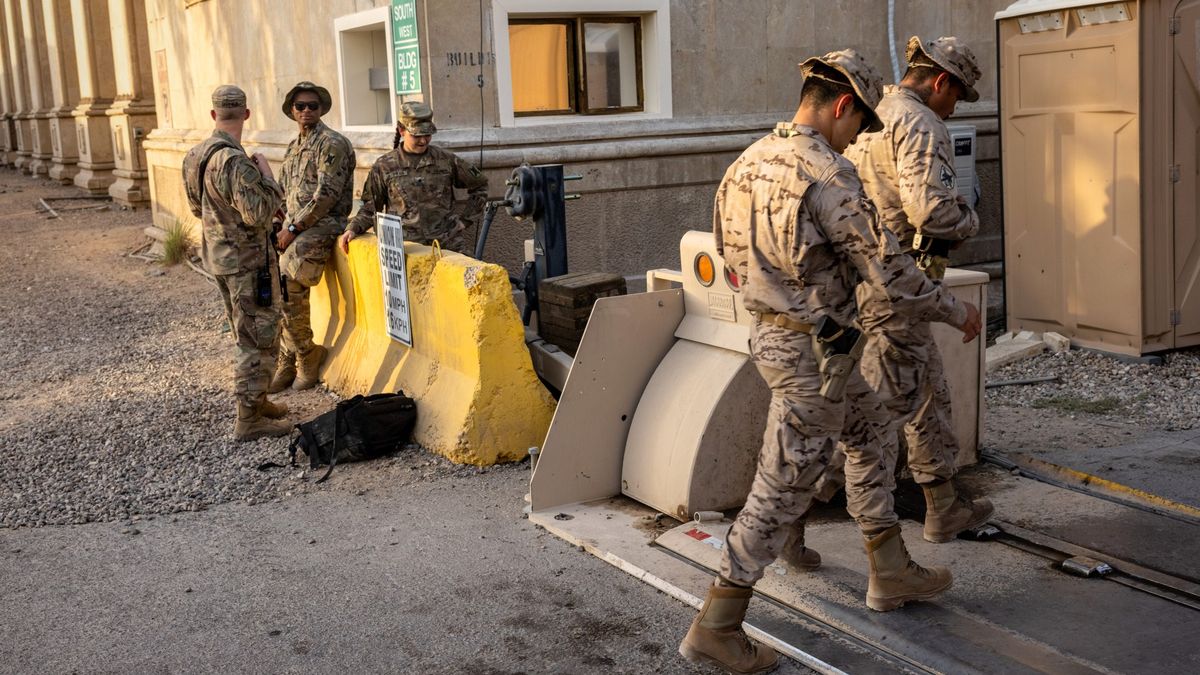
The Iraqi Prime Minister, Ali al-Zaidi, has announced that the September 30 deadline for the US-led coalition to end its military mission in Iraq and withdraw its forces is 'fixed and final'. This decision marks the end of a presence that began with the 2003 US-led invasion against Saddam Hussein. The withdrawal is a result of an agreement between Washington and Baghdad to wind down US-led operations against the ISIL (ISIS) armed group, which started in 2024.
The US-led coalition's presence in Iraq has been a significant factor in the country's politics and economy for nearly two decades. The withdrawal of US forces will create a power vacuum that Iraq will need to fill. The Iraqi government has stated that it will take control of all weapons, which is an essential prerequisite for moving the country into a new phase of development and prosperity. The US and Iraq have agreed to shift their ties toward economic and security cooperation based on mutual respect for sovereignty and shared interests. However, the US has not disclosed how many troops remain in Iraq or where they will be redeployed, leaving uncertainty about the future of the region.
The US-led invasion of Iraq in 2003 and the subsequent occupation have had a devastating impact on the Iraqi people. The war has resulted in the loss of hundreds of thousands of lives, displacement of millions, and destruction of infrastructure. The presence of US forces has also been a source of tension and instability in the region, with many Iraqis viewing the US as an occupying power. As the US prepares to leave, the Iraqi people are hopeful that their country will enter a new era of sovereignty and stability. However, the legacy of the war and the ongoing presence of extremist groups such as ISIL will continue to pose a threat to the country's security and stability.
While the US and Iraq have agreed on the withdrawal of US forces, there are concerns about the ability of the Iraqi security forces to maintain stability and security in the country. The US has been training and equipping the Iraqi security forces, but there are doubts about their readiness to take on the challenge of securing the country. Additionally, the US has not disclosed its plans for the future of its military presence in the region, leaving uncertainty about the potential for future interventions. The Iraqi government has also not provided clear details about how it plans to address the ongoing presence of extremist groups and the legacy of the war.
As the US prepares to withdraw its forces from Iraq, there are several key developments to watch. The ability of the Iraqi security forces to maintain stability and security will be a critical test of the country's sovereignty. The US and Iraq have agreed to shift their ties toward economic and security cooperation, but the details of this cooperation are unclear. The potential for future interventions by the US or other external actors will also be a key factor to watch. Ultimately, the success of Iraq's transition to a new era of sovereignty and stability will depend on the ability of the Iraqi government to address the country's deep-seated challenges and provide security and prosperity for its people.
Editor's Note: The analysis is based on publicly available information, but the details of the US-Iraq agreement and the plans for the future of the US military presence in the region are not fully clear.
Source referenced: ALJAZEERA
This brief was synthesized by our Editorial Engine and reviewed by The Ground Narrative team.