TRENDING

Monday, 5 October 2026
----------------------
24 Rabi' Al-Thani 1448 AH
Armenian Prime Minister Nikol Pashinyan has framed the post‑war settlement as a national rebirth, while thousands of displaced Karabakh people face harassment and marginalisation. The clash reveals how state power can weaponise victimhood for political survival.
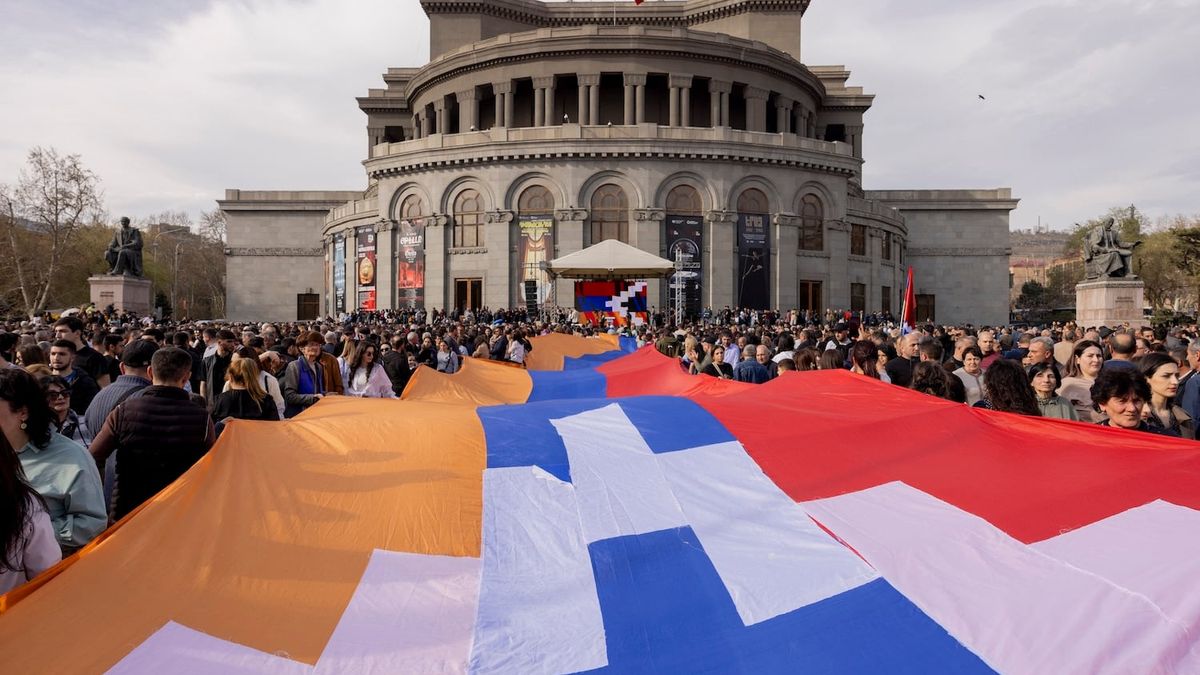
The 2023 Azerbaijani offensive ended the de‑facto independence of Nagorno‑Karabakh, forcing tens of thousands of ethnic Armenians to flee into Armenia. Since then, Prime Minister Nikol Pashinyan has pursued a peace accord with Baku, culminating in a 2025 White House declaration that formally ended hostilities. In the months leading up to the 2026 parliamentary elections, the government raided the former Artsakh diplomatic mission in Yerevan, seized its assets and intensified rhetoric that branded displaced Karabakhians as “runaways” and “ungrateful”.
- Political survival: After the 2020 war, Pashinyan’s legitimacy eroded. By positioning the peace deal as a pragmatic necessity, he redirects blame for the loss of territory onto refugees, turning a painful concession into a rallying point for nationalist voters.
- Economic trade‑offs: The war depleted Armenia’s fiscal reserves and left the state dependent on Russian and Iranian aid. A stable border with Azerbaijan opens trade corridors, especially through the planned Zangezur corridor, promising foreign investment that the ruling party can claim as its achievement.
- Alliance math: Aligning with Baku improves Armenia’s standing with the United States, which seeks regional stability. At the same time, Moscow’s waning influence forces Yerevan to recalibrate its security partnerships, making domestic cohesion a strategic imperative.
- Control of narrative: State‑aligned media and pro‑government bloggers amplify slogans that portray Karabakh refugees as a threat to national unity. This narrative justifies the use of administrative resources—such as police raids and selective prosecutions—to silence dissent.
Hundreds of families live in overcrowded shelters on the outskirts of Yerevan, lacking adequate heating, healthcare and schooling for their children. The stigma attached to their status limits access to public assistance, forcing many to rely on informal charity networks that are themselves under pressure.
Figures like Artur Osipyan, who publicly criticised the peace process, have faced arrest, pre‑trial detention and violent intimidation. Their cases signal to broader civil society that dissent, especially on the Karabakh issue, carries personal risk.
Villages near the former front line experience a labor drain as young men enlist in the army or migrate abroad, leaving an aging population to tend fields with limited state support. The loss of agricultural output threatens food security in a country already dependent on imports.
- Selective omission: Official statements celebrate the peace deal as a triumph of diplomacy, yet they rarely acknowledge the forced displacement of over 30,000 people or the systematic demolition of Artsakh’s institutional infrastructure.
- Foreign financing: While the government highlights Western backing for the agreement, it downplays the role of Russian oligarchs whose assets are being frozen in parallel anti‑corruption probes—an effort that both curtails a rival power base and signals to Moscow that Yerevan is pivoting westward.
- Economic coercion: The seizure of the Artsakh mission’s $100‑200 million annual budget removes a potential source of independent funding for refugee assistance, effectively binding displaced communities to the state’s goodwill.
- Media framing: Pro‑government outlets repeatedly use the term “runaway” to delegitimize refugees, while international coverage focuses on the diplomatic ceremony, creating a narrative gap that obscures the everyday suffering of those on the ground.
- Legislative moves: Watch for bills that formalise the revocation of Artsakh‑related citizenship rights or that restrict NGOs assisting refugees, which would cement the state’s control over the displaced population.
- Election fallout: The 2026 parliamentary results will indicate whether Pashinyan’s scapegoating strategy succeeded in consolidating his base or provoked a backlash that could empower opposition forces.
- International monitoring: OSCE and UN human‑rights missions are likely to issue reports on the treatment of refugees; their findings could trigger diplomatic pressure or aid conditionality.
- Economic projects: The progress of the Zangezur corridor and any foreign direct investment tied to the peace deal will reveal whether the promised economic benefits materialise, or whether they become another lever for political patronage.
- Grassroots mobilisation: Emerging civil‑society coalitions of displaced Karabakhians and human‑rights groups may organise protests or legal challenges, testing the government’s tolerance for dissent ahead of the next election cycle.
The government frames them as symbols of a failed war, using hate speech to divert criticism of the peace deal and to rally nationalist voters ahead of elections.
It offers economic incentives and Western diplomatic support, but also forces the ruling party to suppress dissent and manage the fallout from displaced communities to maintain political stability.
Source referenced: FOREIGNPOLICY
This brief was synthesized by our Editorial Engine and reviewed by The Ground Narrative team.