TRENDING

Monday, 5 October 2026
----------------------
24 Rabi' Al-Thani 1448 AH
German Chancellor Friedrich Merz is facing unprecedented unpopularity and significant losses in state elections, signaling a deeper crisis for the nation's political establishment. The traditional center is struggling to hold amidst economic anxieties and the rise of both far-right and leftist parties.
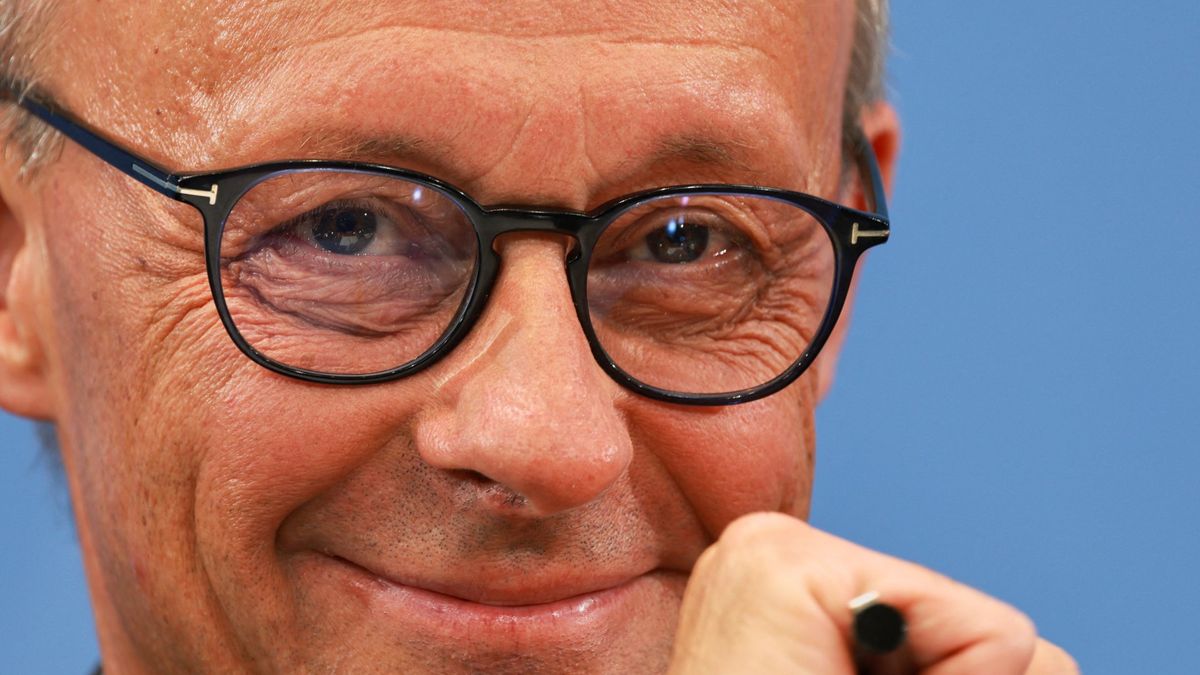
German Chancellor Friedrich Merz, leader of the conservative Christian Democratic Union (CDU), is grappling with a dramatic decline in public support, reaching the lowest approval ratings for any chancellor since 1997. This plunge follows significant setbacks for the CDU in recent state elections. In Mecklenburg-Western Pomerania, the party failed to clear the 5 percent threshold, a first since 1949, while the far-right Alternative for Germany (AfD) surged to first place. Simultaneously, in Berlin, the CDU lost to The Left party, and in Saxony-Anhalt, the AfD secured over 40 percent of the vote. Despite these results and mounting pressure, Merz has publicly stated his refusal to step down, declaring his intent to remain as party chairman and chancellor.
The current political turmoil in Germany is not merely a reflection of Friedrich Merz's personal unpopularity but a symptom of deeper structural forces reshaping the nation's power dynamics. The traditional dominance of the CDU, which has historically anchored German politics, is eroding under the weight of shifting voter allegiances and a perceived failure to address pressing domestic issues.
The CDU finds itself in a precarious position. For decades, it served as the broad tent of German conservatism, capable of attracting voters from across the center-right. However, Merz's leadership, marked by a more traditional conservative stance, has struggled to resonate with a public facing modern challenges. The party is caught between the need to reclaim voters lost to the AfD on the right, often through tougher rhetoric on migration, and the necessity of governing in a coalition with the center-left Social Democratic Party (SPD), which pulls policy towards different priorities. This internal conflict makes decisive action difficult and alienates segments of the electorate who seek clear solutions rather than ideological compromises. The German constitutional mechanism, requiring a constructive vote of no confidence to replace a chancellor, further entrenches Merz, making a leadership change within the party exceptionally difficult without a clear, unifying successor.
The AfD's meteoric rise, particularly in the eastern states, is a direct consequence of its ability to channel public frustration. The party effectively capitalizes on anxieties surrounding immigration, the cost of living, and the perceived decline of public services. Merz's own controversial remarks about the
Source referenced: ALJAZEERA
This brief was synthesized by our Editorial Engine and reviewed by The Ground Narrative team.